Why Did Gail Slater Ignore FWA's Impact on Cable ISPs?
Last week Gail Slater sounded as if she wanted to vomit in approving T-Mobile’s $4.4 billion takeover of much of UScellular’s business.

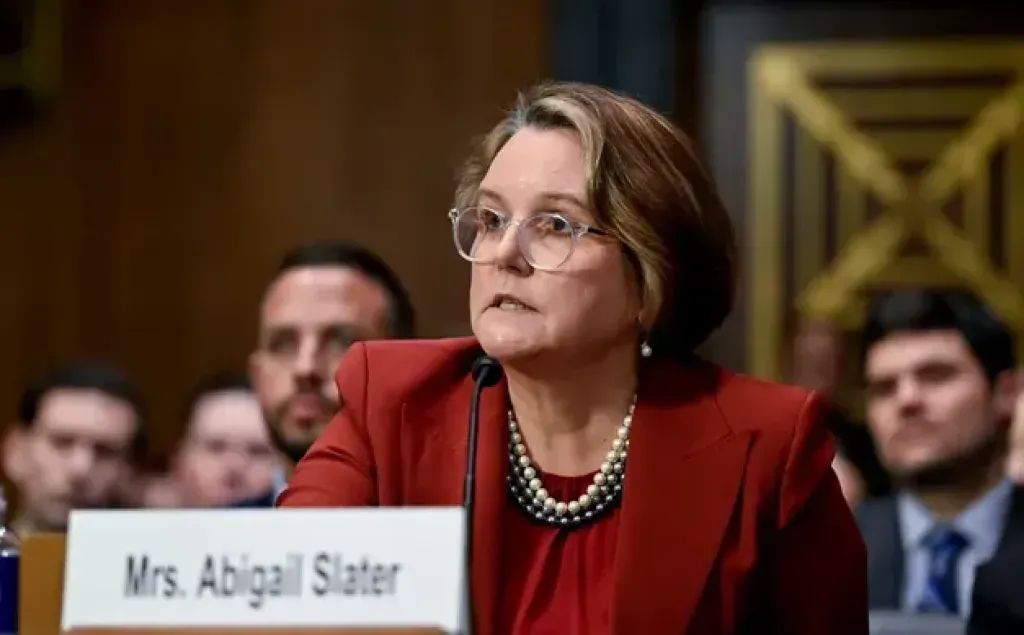
Merger: Same church, different pews? FCC Chairman Brendan Carr and Gail Slater at the Justice Department largely see eye-to-eye on telecom policy. But a big merger approval last week clearly produced an obvious split between the two Trump administration officials, with Slater totally ignoring a key market development that Carr’s staff chose to highlight. Last week, Slater, Assistant Attorney General in charge of DOJ’s Antitrust Division, sounded as if she wanted to vomit in approving T-Mobile’s $4.4 billion takeover of much of UScellular’s business. At bottom, Slater thinks an AT&T, Verizon, and T-Mobile oligopoly is close to unstoppable, especially with EchoStar’s 5G network nowhere close to providing effective competition.
 Broadband Breakfast
And that, she said, would be a terrible result for consumers. Still, Slater’s 925-word statement surveying much of the wireless landscape had one glaring omission: She failed to even mention Fixed Wireless Access service primarily provided by T-Mobile, Verizon, and AT&T. The impact of FWA has been profound and will continue, as Comcast and Charter know quite well. UScellular launched an FWA service in 2022 and since then has added 150,000 subscribers without even really trying. Carr’s team extolled FWA as a clear deal benefit. (More after paywall.)