Wireless Prices Fall as Inflation Rises, CTIA Finds
CTIA’s wireless affordability tracker shows faster speeds and lower data costs.

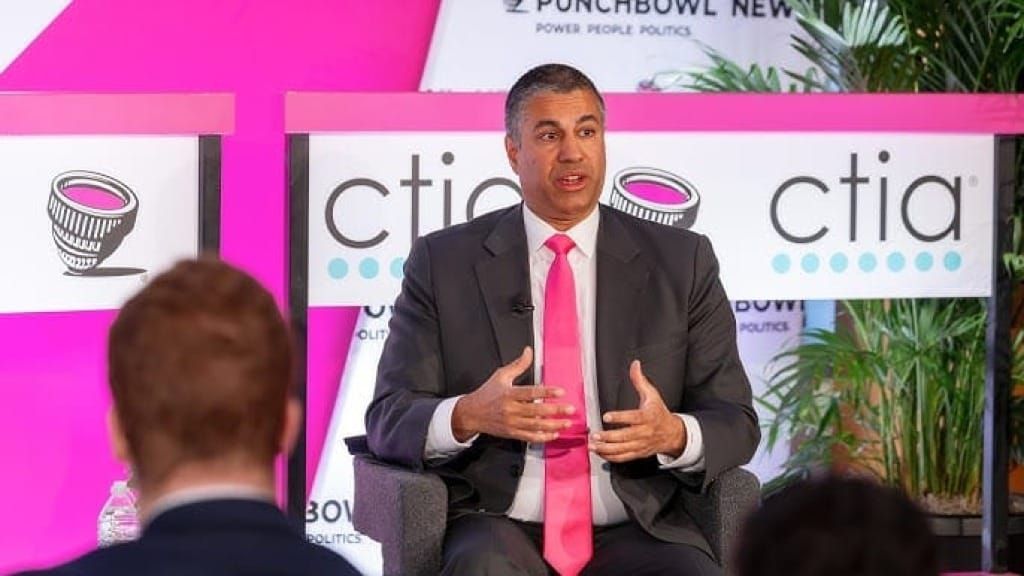
May 1, 2026 – Wireless prices in the United States are continuing to fall even as inflation pushes most other consumer costs higher, according to a new report released by CTIA, the wireless industry association.
The latest Wireless Affordability Tracker found Americans are paying less for mobile service in real terms while getting faster speeds and more data.
“Wireless is one of the great consumer success stories of our time,” said Ajit Pai, CTIA President and CEO. “Prices are down, speeds are up, and the value Americans get from their wireless service has never been greater.”

The report shows inflation-adjusted prices for typical unlimited plans fell more than 10 percent in the past year and are down about 35 percent over five years. Prepaid plans saw even steeper declines, dropping more than 51 percent over the same period.
A typical unlimited plan now averages about $55 per month, while some prepaid options cost less than $10.
Government data supports the trend. The Consumer Price Index shows wireless service prices declined 6.6 percent last year and more than 41 percent over the past decade.
That stands in contrast to the broader economy, where prices rose about 2.7 percent last year.
The broader picture for internet affordability is more mixed. Broadband affordability worsened in 2025 after a federal subsidy that once helped roughly one in six households expired, alongside policy changes that reduced affordability requirements.
Wireless service now accounts for about 1.7 percent of household spending, a share that has declined more than 15 percent since 2020.
At the same time, performance is improving. Wireless download speeds increased 51 percent in the past year, while data usage rose more than 32 percent.
The effective price per gigabyte fell more than 21 percent last year and 40 percent over two years.
Taken together, those trends mean consumers are getting more value for each dollar spent.
CTIA attributed the gains to competition and continued investment in network infrastructure, including the expansion of 5G services.
That competition is also extending into home broadband. Fixed wireless services added millions of subscribers in 2025 and contributed to a roughly 3 percent decline in home internet prices, according to the report.
Taxes and fees are also offsetting some savings. Wireless taxes now account for about 27.6 percent of the average bill.