AT&T Names CEO John Stankey as Board Chair, Succeeding William Kennard
Stankey, CEO since 2020, will remain CEO even as he also assumes chairmanship of the telecom giant.

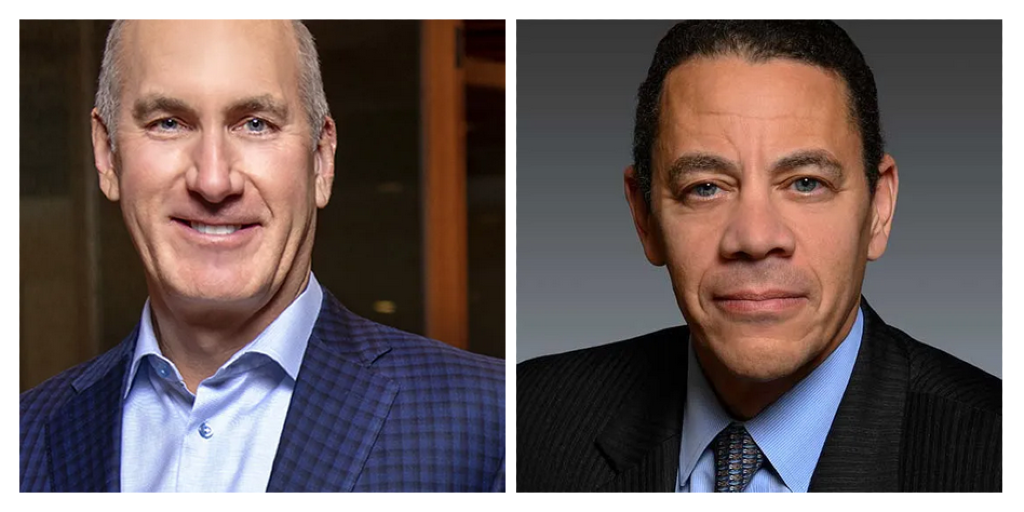
WASHINGTON, Feb.17, 2025 – AT&T announced Friday that CEO John Stankey has been elected as the company’s new board chair, succeeding William Kennard. Kennard, who previously served as chairman of the Federal Communications Commission from 1997-2001, will transition into the role of lead independent director.
Stankey, who has been with AT&T for nearly four decades, took over as the company’s president and CEO in 2020. His tenure has been marked by efforts to streamline the telecommunications giant, including divesting from WarnerMedia and refocusing on AT&T’s core wireless and broadband businesses.
In a statement, AT&T highlighted Stankey’s leadership in guiding the company through significant strategic shifts and positioning it for long-term growth. Kennard, who has served as board chair since 2021, played a key role in ensuring governance and oversight as AT&T navigated industry changes.
The leadership transition comes as AT&T faces increasing competition in the telecom sector, with rivals such as Verizon and T-Mobile investing heavily in 5G expansion.
Stankey’s dual role as CEO and Board Chair places him in a pivotal position to drive AT&T’s future strategy while maintaining oversight of its evolving business model.
In last year’s fourth quarter, AT&T reported 28.9 million fiber passings, an increase of 600,000 from the previous quarter and more than 2 million over the course of 2024.
The company is planning to hit 45 million fiber passings by the end of 2029 – about 3 million new passings per year – in addition to another 5 million from Gigapower, its joint venture with investment firm BlackRock.
CEO says the achievement represents strong demand for fiber
A broadband program can be on track and still be strategically wrong.
Extreme heat like the weather sweeping the eastern U.S. drives up energy demands for data centers, adding to their strain on power grids and worsening air quality for surrounding areas.
Small monthly fee that funds broadband and phone assistance programs will rise 15 cents per line.