AT&T, Verizon Make Case Against FCC Forfeiture Process to Supreme Court

Fines are the agency’s main enforcement mechanism.

AT&T, Verizon Make Case Against FCC Forfeiture Process to Supreme Court
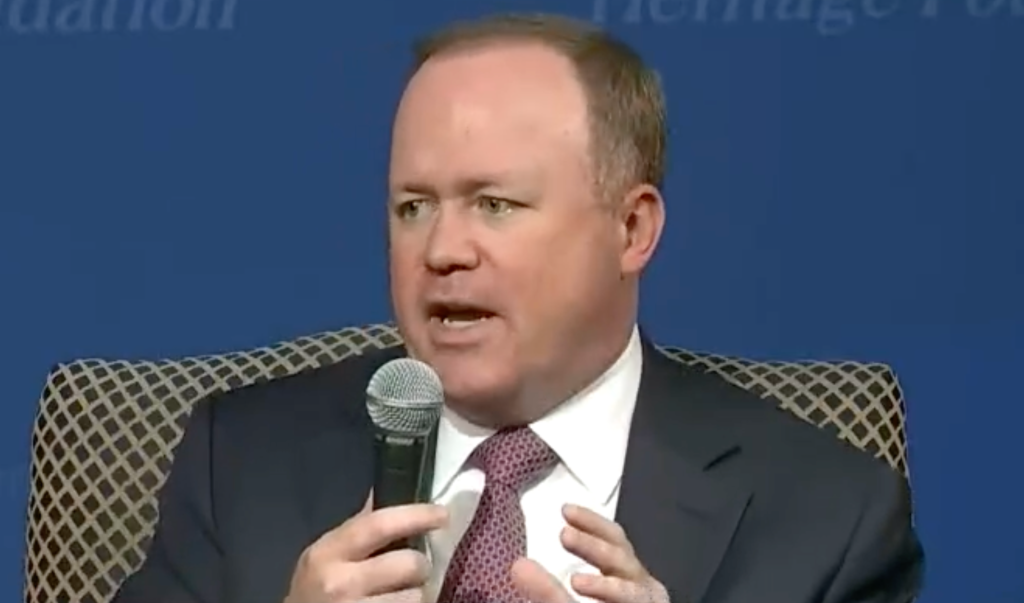
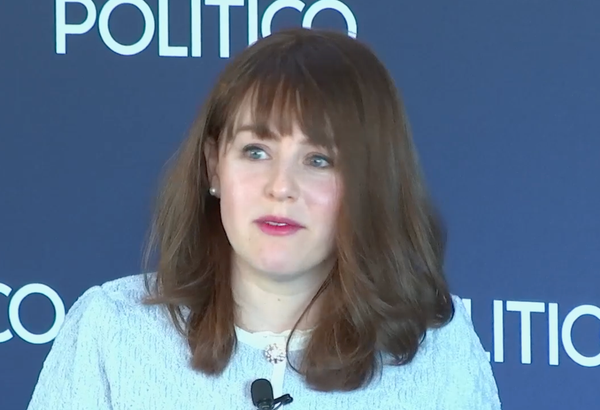
Screenshot of Sullivan & Cromwell Partner Jeffrey Wall, who is representing AT&T and Verizon, at a 2022 Heritage Foundation event from C-SPAN.

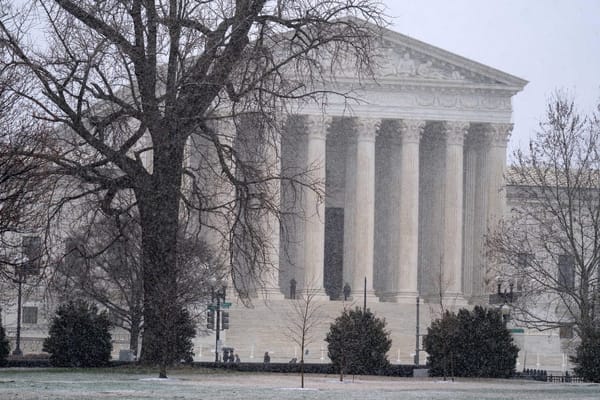
WASHINGTON, Feb. 23, 2026 – AT&T and Verizon continued their push Wednesday for the Supreme Court to find invalid the Federal Communications Commission’s method of issuing fines. 

Both the FCC and the two carriers, each contesting a penalty, have asked justices to resolve a circuit split on the issue. The high court accepted, and oral arguments in the case are set for April 21, 2026.

“The Seventh Amendment entitles defendants to plead their case to a jury before the FCC enters final, binding forfeiture orders against them,” the companies wrote in a joint brief. “It does not relegate them to hoping for a jury in a different suit that may never materialize.”

The carriers have been citing the recent Supreme Court decision in SEC v. Jarkesy, in which justices found that entities facing civil fines from the Securities and Exchange Commission were entitled under the Seventh Amendment to a jury trial before being forced to pay. The FCC’s process does allow fined entities a jury trial, provided they refuse to pay and wait for the Justice Department to potentially bring a collection action.

AT&T and Verizon said that doesn’t cut it, arguing the DOJ suit is a separate case entirely from an FCC forfeiture order and that companies should have a jury trial before the agency issues those orders. 

“The Seventh Amendment entitles AT&T and Verizon to plead their case to a jury before the FCC enters final, binding forfeiture orders against them,” the companies wrote. “The Seventh Amendment is not satisfied merely because AT&T and Verizon have a theoretical jury-trial right in a separate collection proceeding instituted at the sole election of a different governmental entity.”

After being fined in 2024 for, in the FCC’s judgment, not adequately vetting third parties before selling them customer location data, each of the three major mobile carriers appealed on the grounds that they should have the opportunity for a jury trial before paying any fines. The Fifth Circuit sided with AT&T, while the D.C. Circuit and Second Circuit ruled in favor of the FCC.

The case is significant for the agency, as fines are one of its main enforcement mechanisms. The FCC has told justices that if the Fifth Circuit’s precedent stands it would have “no alternative avenue for seeking monetary penalties, seriously impairing the agency’s ability to enforce” its rules.

FCC Chairman Brendan Carr dissented from the fines when they came down last year, but has been defending the agency’s ability to levy fines.

The agency has argued its process passes muster under Jarkesy, since companies don’t have to pay before the DOJ brings a suit. It has also disputed the idea that companies that elect not to pay and wait for the DOJ action would face penalties for doing so.

That’s something Verizon and AT&T attempted to convince justices of. Even if the court wasn’t convinced that FCC forfeiture orders and the DOJ collection actions are separate suits, justices should still find the option of waiting for the DOJ was effectively a barrier to companies to exercise their rights, the companies argued.

They pointed to reputational harms of being found by the agency to have acted improperly, and to the potential for having an unpaid fine held against them in future proceedings. In practice, large companies pay their fines, which grants them the ability to challenge the agency’s decision in an appellate court.

Not paying and waiting for a DOJ suit “means giving up the carrier’s right to guarantee judicial review by paying and appealing; it leaves any judicial review solely in DOJ’s hands,” the companies wrote. “Carriers never do that, because FCC forfeiture orders have serious ‘real-world impacts,’ and carriers cannot risk letting them go unchallenged before a neutral, Article III adjudicator.”

The companies are both being represented by Sullivan & Cromwell Partner Jeffrey Wall, former acting Solicitor General and Principal Deputy Solicitor General of the United States during President Donald Trump’s first term.

Member discussion

Popular Tags