AT&T's Biggest Fiber Year Yet - and a Satellite Launch Too
The company expects to add 7 million fiber passings and launch a direct-to-device satellite service by year’s end.

Georgina Mackie
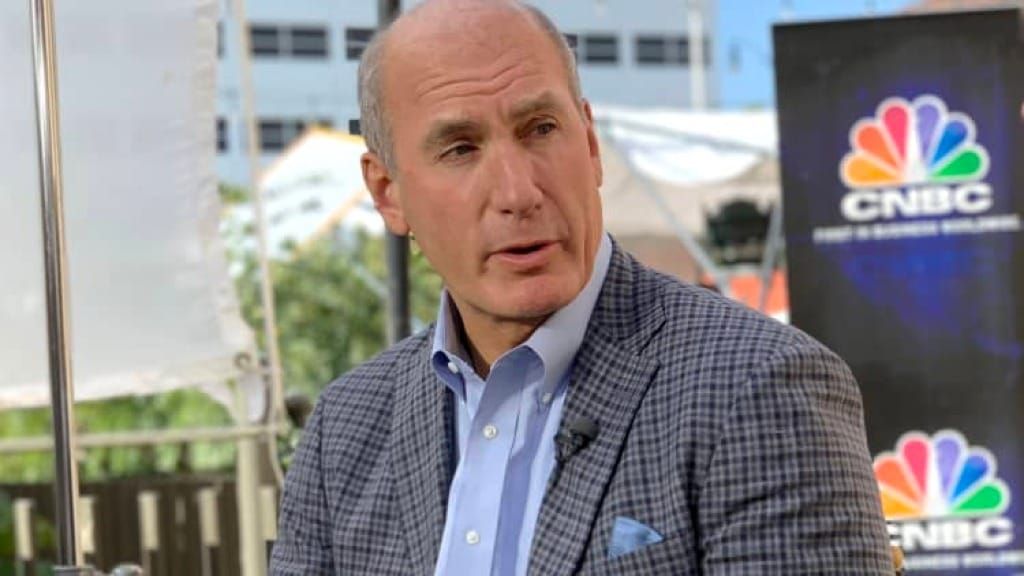
May 19, 2026 – AT&T is accelerating fiber expansion and preparing to launch a direct-to-device satellite service this year, CEO John Stankey told investors Tuesday.
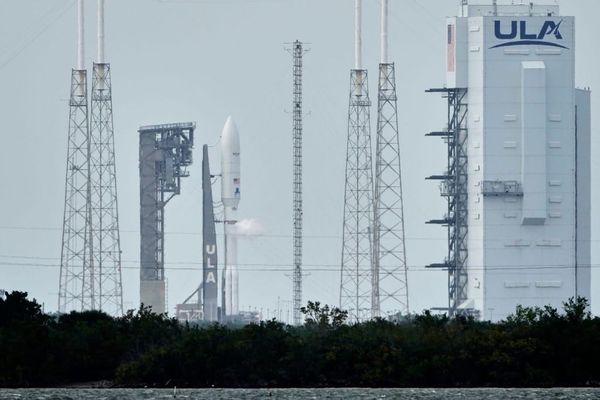
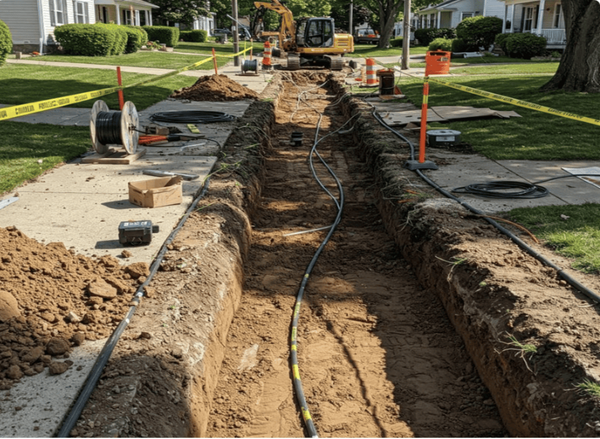
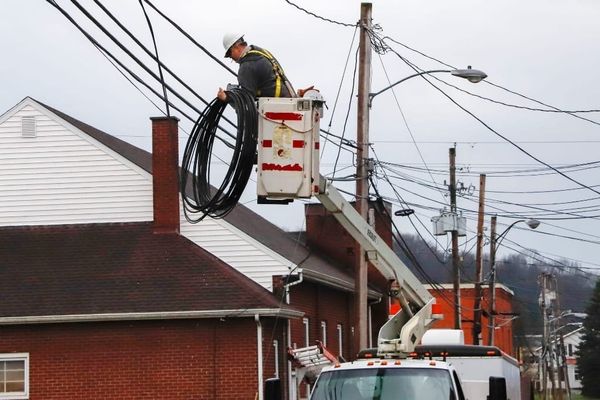
Stankey said AT&T would add 7 million new fiber passings this year - a record pace - and press ahead with its AST SpaceMobile satellite partnership even as a broader wireless carrier joint venture works through regulatory approvals.
“We've never had a year like the one we're going to have this year,” Stankey said, speaking at the JP Morgan global technology, media and communications conference. “That is the foundation of where growth comes from.”
On satellite, Stankey said AT&T would not wait for the joint venture to clear approvals before bringing a product to market.
“We're still going to be pushing ahead to bring that product out to market to ensure our customers get access to it,” he said. “We're really excited about what the second half of this year holds.”
The joint venture, announced Thursday, is designed to coordinate satellite infrastructure, spectrum usage and wholesale relationships among carriers, with the goal of preventing fragmented technical standards and duplicated spending. It follows an FCC approval in April allowing AST SpaceMobile to provide direct-to-cell service using AT&T spectrum and operate up to 248 satellites.
“It doesn't make sense for all of us to be lobbying for different priorities on the handset deck for spectrum capabilities,” Stankey said. “If we get bifurcation on that, that's not going to be good for any of us.”
Stankey said the venture would likely face a second request from the Department of Justice after filing, signaling a longer regulatory timeline.
On fiber, Stankey said integration of Lumen assets, acquired in a $5.75 billion deal closed in February, was moving faster than expected. AT&T has already converted its first two markets to AT&T Fiber systems and branding, with inbound sales volumes running "very much in line, if not better than what we expected."
He pushed back against investor concerns about fiber returns amid growing competition from cable operators and fixed wireless providers.
“Am I going to come back out and say we are wrong, we don't need to build that fiber infrastructure? That's not in the cards,” Stankey said, arguing the fiber buildout would position AT&T for the AI era.
“If I were thinking about going to the next dawn of AI, and what's required, that's exactly the asset base I want,” he said.
Stankey said fixed wireless would play a targeted rather than central role in AT&T's strategy, best suited to studio apartments, value-segment customers and business backup connectivity rather than high-usage households.
The company said it was already working with cloud providers on fiber connectivity into AI data centers. Stankey argued the infrastructure would prove increasingly valuable as demand for AI computing grows.