FCC Grants AST SpaceMobile’s Direct-to-Cell Request
The satellite company can offer service with AT&T and Verizon spectrum, and operate up to 248 satellites.

WASHINGTON, April 22, 2026 – Federal regulators granted satellite company AST SpaceMobile’s request to provide direct-to-cell mobile service using AT&T and Verizon’s spectrum.
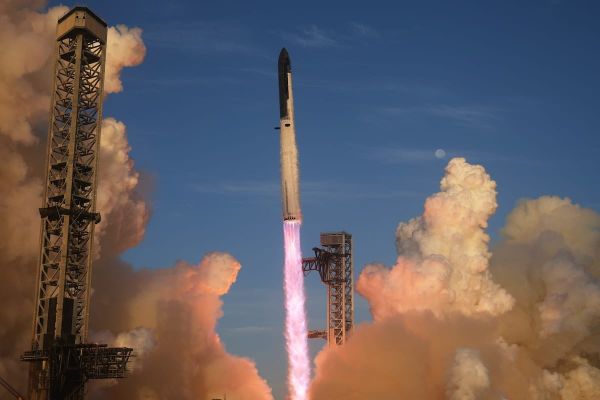
The agency also cleared the company to operate a 248-satellite constellation in support of the service, up from the 25 it was previously allowed. It was welcome news for the satellite operator after the failed launch of what would have been its operational BlueBird satellite over the weekend.
SpaceX currently dominates the global direct-to-cell market and has plans for a higher speed service, but AST is looking to compete on that front. So is Amazon, which just announced a deal to purchase Globalstar for more than $11 billion in a bid to shore up its direct-to-cell capabilities.

“This action allows AST to dramatically improve services in the United States and globally allowing AST, in collaboration with its mobile partners and the First Responder Network Authority (FirstNet), to provide ubiquitous connectivity directly to consumer devices in areas not covered by terrestrial networks,” the FCC wrote in its order Tuesday.
The agency allowed AST to provide direct-to-cell service using Verizon’s 800 MegaHertz (MHz) band spectrum, as well as AT&T spectrum in the 700 MHz and 800 MHz bands. It will provide service to AT&T’s FirstNet, a nationwide first responder network the company operates under contract with the Commerce Department.
The FCC also dismissed opposition from SpaceX and T-Mobile. While it’s purchasing its own spectrum, SpaceX’s direct-to-cell service is for now available in the U.S. through a partnership with T-Mobile.
“We find that AST’s satellite technology, in conjunction with the safeguards set forth” in the agency’s rules and Tuesday’s order, “will minimize the risk of harmful interference and incentivize rapid resolution in the event that it occurs.”
Rural wireless carriers had worried about competition and roaming deals, but the FCC called their concerns “speculative” and declined to require AST to enter lease agreements with rural carriers or to impose roaming requirements.
AST has been struggling to launch its massive BlueBird satellites as quickly as it would like. The company planned to have 20 satellites in orbit at the end of 2025, and is still shooting for 45 in operation by the end of 2026.
Depending on how heavily the company was relying on Blue Origin for those launches, there could be some pressure on that plan. The Federal Aviation Administration grounded Blue Origin’s New Glenn rocket after the AST mishap, and it will stay out of operation until Blue Origin completes an investigation.
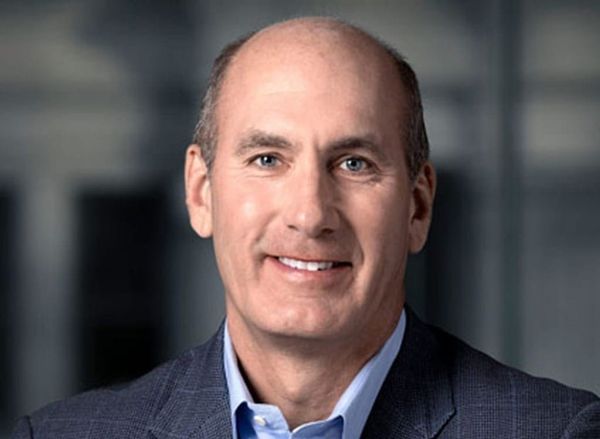
While AST is AT&T’s main direct-to-cell partner for now, CEO John Sankey said on the carrier’s earnings call Wednesday that he was keeping his options open on that front. He said he envisioned SpaceX, AST, and Amazon competing in the space.
“My goal would be that I have a good, strong wholesale relationship,” Stankey said. “And it may not just be with one of them, it may be with more than one of them.”
Still, most of the company's R&D spending on satellite has been related to AST’s constellation, he said.
Verizon CEO Dan Schulman also said last month he had "spoken to all of" the major satellite operators.
A recent report from Ookla found that direct-to-cell service is growing globally, with the number of connections increasing nearly 25 percent between July 2025 and March 2026. But only a small fraction of users have signed up for such a service so far.
Current direct-to-device offerings have basic texting and limited app functionality, but satellite operators are aiming to provide much faster speeds more comparable to a terrestrial mobile connection. SpaceX is targeting speeds of 150 megabits per second (Mbps) and is asking the FCC for approval to launch 15,000 satellites to support the service using spectrum it's buying from EchoStar.