Barrasso Bill Would Increase Broadband Access on Federal Lands
The lawmaker’s bill would allow broadband projects to bypass some environmental and historical reviews.

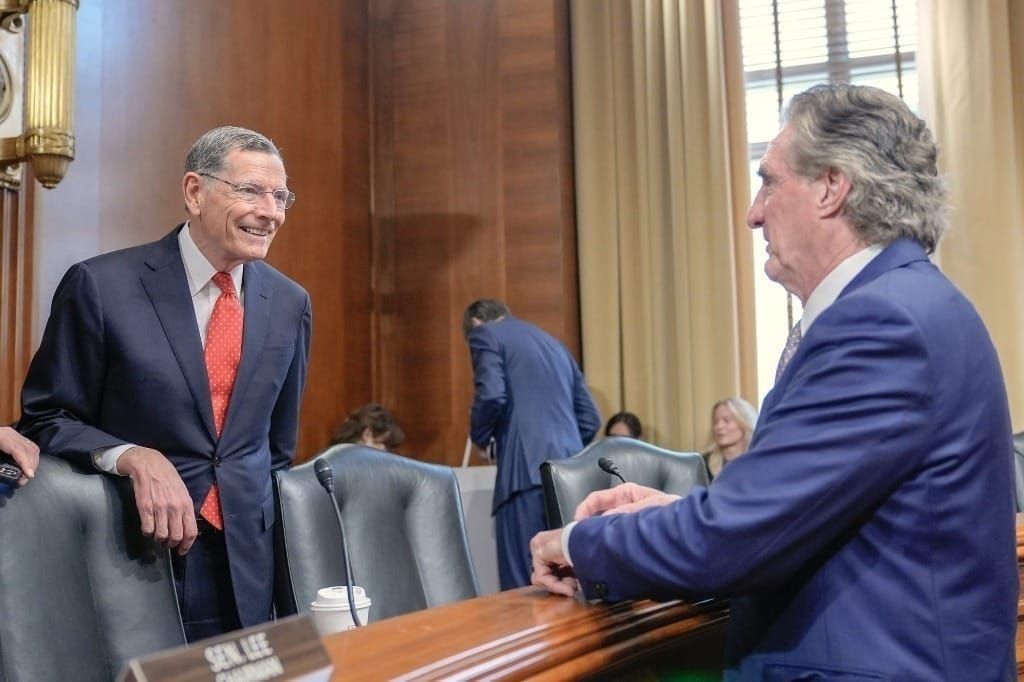
WASHINGTON, May 21, 2026 — Sen. John Barrasso, R-Wyo., introduced legislation to improve broadband access on federal land.
The bill, known as the CLOSE THE GAP Act, will limit environmental and historical preservation reviews and expand categorical exclusions under the National Environmental Policy Act (NEPA).
The exclusions would apply to projects involving already approved lines and utilities, as well as projects on previously analyzed federal land.
“In Wyoming, half of the land is owned by the federal government. Many areas face a significant gap in internet service. In some cases, there is no service at all,” said Barrasso in a press release. “It shouldn’t take years for internet service providers to get approval for broadband infrastructure projects on federal land.”
Permitting for broadband projects and telecommunications infrastructure on federal land often face permitting delays of two to three years, according to the advocacy group WTA – Advocates for Rural Broadband.
“Between short construction seasons, navigating difficult terrain, and covering vast distances, serving residents in rural Wyoming has enough challenges without the added complexities of permitting practices that are outdated, inefficient or unnecessary,” said Jeff England, Chief Financial Officer of Silver Star Communications, a fiber company based in Wyoming.
The bill would also establish an online portal for form applications and a U.S. Treasury Department account for land management agencies to deposit cost recovery fees for broadband deployment.
Small monthly fee that funds broadband and phone assistance programs will rise 15 cents per line.
They asked the Supreme Court to send the issue back to lower courts
A watchdog group is seeking discovery after alleging the FCC failed to adequately produce records in a FOIA lawsuit.
The company explained that the FCC should not disrupt a system that works well.