
BEAD's Future and Digital Divide Solutions Discussed at Broadband Nation Expo
Broadband experts differed on BEAD's rollout, debating whether the program accelerated or obstructed rural connectivity efforts.

ORLANDO, Nov. 20, 2025 — As 15 states and three territories received approval for their Broadband Equity, Access and Deployment program proposals, industry leaders at Broadband Nation Expo 2025 expressed divided opinions Wednesday on whether the $42.5 billion federal initiative will successfully close America's digital divide.
"BEAD set back broadband in America by several years," said Matt Larsen, CEO of VistaBeam, during a special in-person Broadband Breakfast Live Online panel. "We're four years in and zero people have actually gotten benefit out of this program."
The criticism came even as Wyoming and other states celebrated their BEAD approvals, allowing them to move forward with rural broadband deployment plans. Larsen said he would prefer an infrastructure bank or revolving loan fund over the current grant-only structure.
 Jeff Brown
But Catherine Krantz, area director for Broadband Communities Unlimited, argued BEAD has already succeeded in key ways. "We spent the last three years staffing broadband offices before there wasn't broadband offices in every state," she said, adding that the program has increased knowledge and incentivized ISP construction nationwide.
The panel highlighted ongoing tension between deployment technologies. Larsen said fixed wireless costs approximately one-tenth the price of fiber in rural areas, with some millimeter wave deployments running as low as $20 per home passed compared to fiber's higher costs.
"I was actually slightly offended" by T-Mobile's presentation on fixed wireless, Larsen said, noting wireless internet service providers have deployed the technology for 25 years. "The carriers are kind of culturally appropriating the work that we've been doing."
 Jericho Casper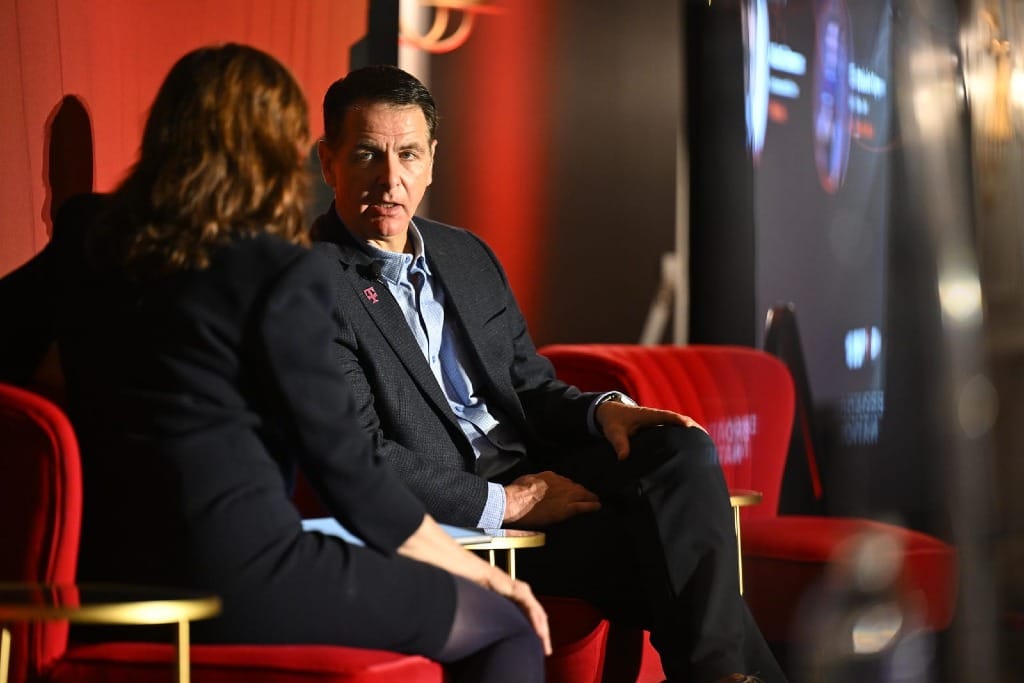
Butch Brock, chief strategy officer at Dragonfly Internet, defended fixed wireless as "a tool in the toolkit," explaining his company can launch service in 90 days versus lengthy fiber builds. "From the time we select a site, we can be up and running," he said.
However, Krantz pushed back against using satellite or other technologies as permanent solutions for cost savings. "I want whatever everyone else has," she said. "Investing in rural infrastructure is not charity. It is nation building."
Digital inclusion emerged as another critical concern, especially after the administration pulled back Digital Equity Act funding. Heather Gate, executive vice president of digital inclusion at Connected Nation, emphasized adoption programs remain essential even as infrastructure expands.
"People don't know what they don't know," Gate said, noting her organization has trained 130,000 people by partnering with senior centers, rehabilitation facilities and community centers.
Brock echoed the concern: "We can lead 'em to the water, but they gotta want to drink," he said, stressing that rural residents need to understand internet's value beyond social media for telehealth, career development and economic opportunity.
 Drew Clark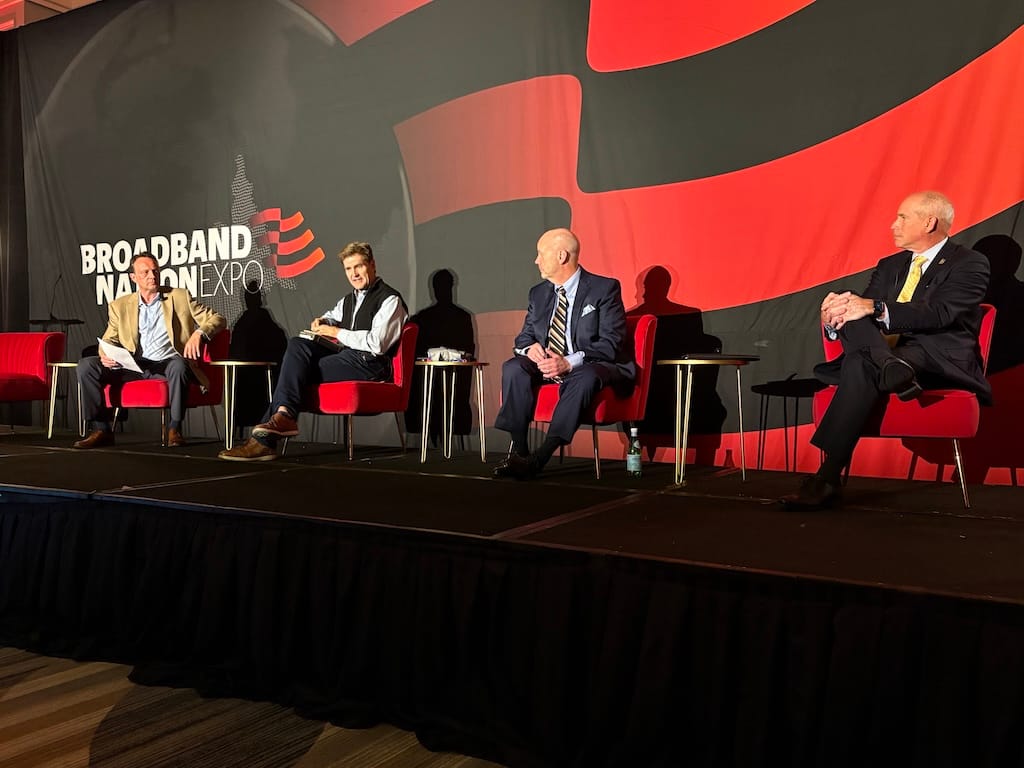
The panel also addressed artificial intelligence's infrastructure demands, with Jeff Brown from Calix warning that rising electricity costs from data centers will impact both operators and subscribers. He said broadband providers must adopt efficient network technologies to manage operating expenses.
Gate noted public skepticism about AI, saying "the average person is being dragged along by their employer" while fearing job losses, making AI literacy education crucial.
The discussion underscored the broadband industry's challenges as it attempts to bridge the digital divide while managing evolving technology demands and uncertain federal support.


Member discussion