
Big Telecom Carriers Bankroll the Universal Service Fund
Panelist estimates that AT&T alone pays over $1 billion into the fund


DENVER, August 8, 2025 – The Universal Service Fund receives 75 percent of its revenue from just 10 companies.
Carol Mattey, principal at Mattey Consulting LLC, told Mountain Connect attendees Tuesday that the $8 billion program gets most of its funding from large telecommunications companies, yet disperses hardly any of it back to them.
“It’s all the ones you would expect,” she explained. “It’s AT&T, Verizon, Comcast, Charter. It’s basically the largest service providers in the country. But when you look at who actually receives the funding… a lot of these funds go to like 2,000 companies that you never heard of.”

Mattey explained that since the fund receives $8 billion annually, that would mean that each of the top 10 contributors are paying an average of $600 million a year into it. Some carriers though are almost certainly paying more.
“I’m willing to bet money that AT&T is contributing at least a billion,” Mattey said.
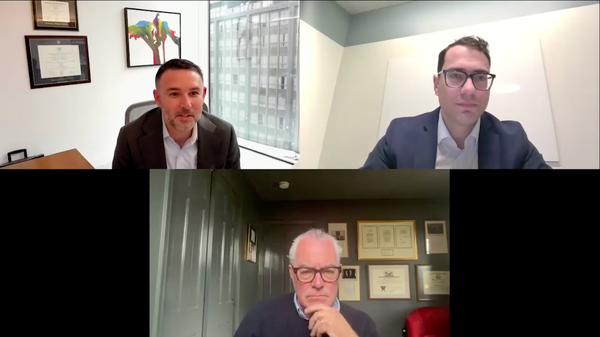
The revelation came during a panel discussing USF’s future. The fund has been the subject of much controversy, and has faced calls for reform. Despite this, the Supreme Court ruled in June that the USF's funding mechanism was constitutional.
In response, Sens. Deb Fischer, R-Neb., and Ben Ray Luján, D-N.M., relaunched a USF Working Group in June. On Friday, the group announced it was seeking public comment about potential reforms to USF. The deadline for comment is September 15.
Angie Kronenberg, senior executive at Sligo Solutions LLC, reminded attendees that their comments would be anonymous.
“Those comments are not going to be made public so you can say whatever you want,” she said.
Panelists proposed ways to reform USF, including by no longer subsidizing voice-only services or by directly funding it through annual appropriations. Jeff Carlisle, attorney at Lerman Senter, was in favor of requiring contributions from broadband providers, big tech, social media companies, digital media platforms, and e-commerce sites.
“As a general matter, anybody that they can get their hands on to contribute should,” he said. “These companies have made billions of dollars off of having access to an infrastructure that they did not install and did not pay for… If your entire business model is based on having access to a broadband network, maybe pony up something.”






Member discussion