Bill Revoking State-Run Lifeline Eligibility Introduced
The bill could impact Oregon and Texas, the remaining two states with their own Lifeline verification process.

Kelcie Lee
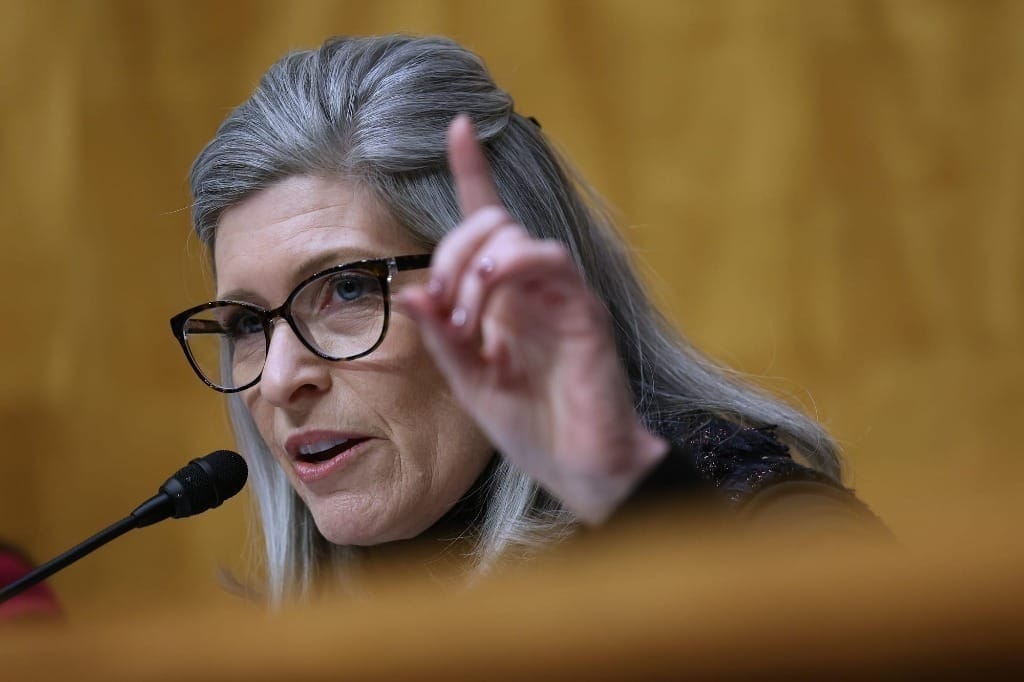
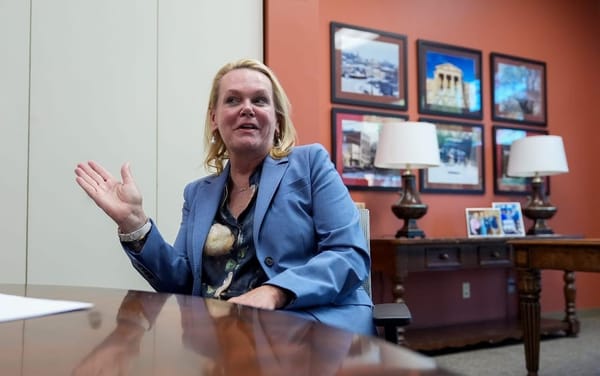
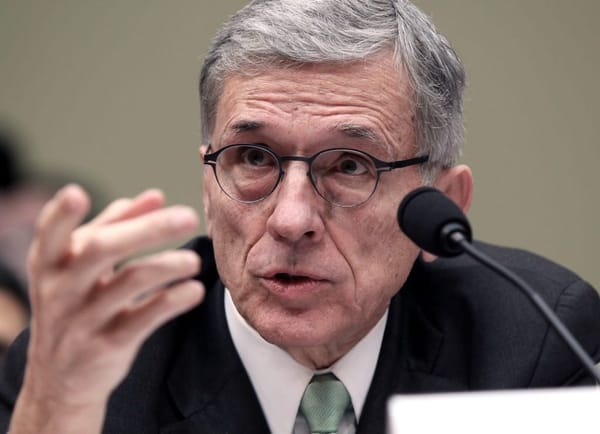
WASHINGTON, March 3, 2026 – Sen. Joni Ernst, R-Iowa, introduced the “No Lifeline for Dead People Act” on Feb. 26 , following months of commentary from Federal Communications Commissioner Chairman Brendan Carr’s on the “waste, fraud, and abuse” within the federal Lifeline program.
Ernst’s bill is aimed at eliminating states’ ability to use its own eligibility process in place of federal verification for Lifeline, a Universal Service Fund subsidy program that helps play monthly phone and internet bills for qualifying low-income applicants.
Lifeline provides $9.25 a month for phone or internet. In 2024, the program cost the USF about $943 million.
This bill comes after Carr’s proposal to tighten Lifeline eligibility requirements and root out fraud, especially in California. In an advisory published Jan. 26, the FCC’s Office of Inspector General found “concerning patterns of fraud,” where approximately $5 million in Lifeline dollars were distributed to accounts of deceased individuals.
According to the report, 81 percent of these cases were in California — one of three states that had been allowed to run its own verification and eligibility process for Lifeline — until the FCC revoked California’s authority on Nov. 20, citing a lack of compliance and integrity.
Oregon and Texas are the other two states that opted out of the federal verification system, and have continued to use its own eligibility process. Ernst’s introduced bill would revoke the two states’ authority, similar to that of the FCC with California.

Member discussion