Broadband Coalition Pushes for Passage of Permitting Reform Bill
The letter applauded BEAD, but argued that permitting reform stands in the way of successful implementation.

Eric Urbach
WASHINGTON, April 14, 2026 – As deployment of the Broadband Equity, Access and Deployment Program finally gets underway, industry groups are attempting to persuade Congress to move on what they see as the program's major hurdle.
A coalition of broadband associations submitted a letter to Speaker of the House Mike Johnson, R-La., and Democratic Leader Hakeem Jeffries D-N.Y., on Tuesday, demanding for immediate passage of the American Broadband Deployment Act.
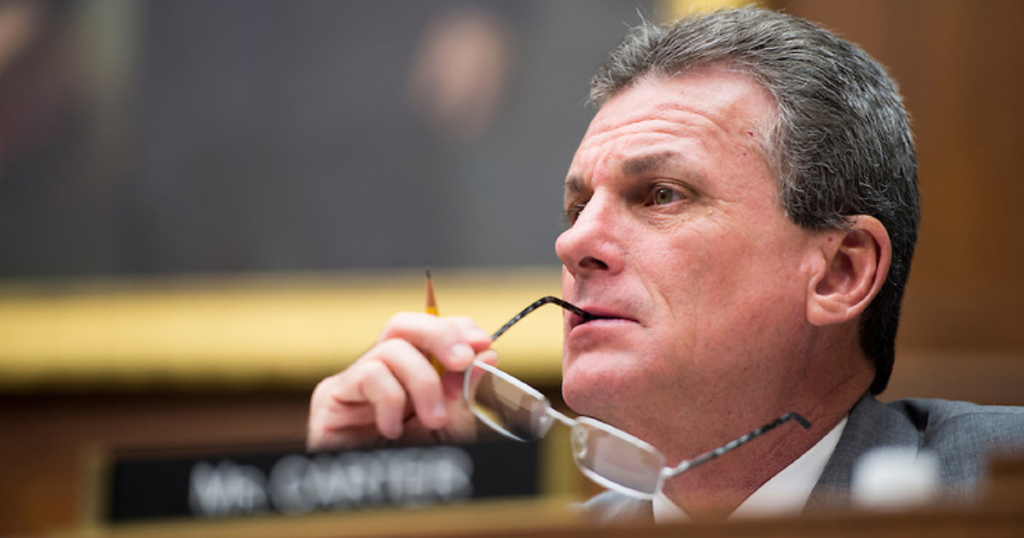
The amended version of the bill, first introduced in 2020 by Rep. Earl “Buddy” Carter, R-Ga., would provide exemptions for communications companies from federal environmental and historic reviews in order to hasten the deployment of broadband, according to the bill’s text. The bill had cleared the House Energy and Commerce Committee in December 2025, but has yet to receive a full vote in the House.
“But both BEAD and America’s broader leadership in AI will fall short if today’s permitting barriers remain,” the letter said. “ABDA would help remove those barriers by establishing a nationwide, predictable, and proportionate permitting framework to accelerate deployment, close the digital divide, and bring connected tools to every community.”
The letter highlights a statement from the National Telecommunications and Information Administration’s Administrator Arielle Roth in which she believes that permitting reform will determine if the BEAD program is successful or not.
Tim Donovan, president and CEO of the Competitive Carriers Association, one of the co-signers of the letter, noted in a statement emailed to Broadband Breakfast that streamlining permitting measures remains a “critical” step in overcoming barriers for broadband deployment for rural communities.
“After historic investments to connect all Americans, Congress must act on common-sense streamlining measures to ensure competitive and rural carriers can serve some of the most challenging areas of the country and make connectivity a reality,” Donovan said.
The letter makes the case that this bill’s passage is for the AI infrastructure build out and the nation’s race against China to the completion of that goal. The bill, from their perspective, would hasten consumer's AI adoption allowing for consumers and business to use these tools most effectively.
Some groups have pushed back against the ABDA’s approach to permitting reform. The Alliance for Natural Health, a non-profit healthcare advocacy group, argued that the bill would eliminate federal environmental oversight and automatically approve projects if tribal groups fail to respond within 45 days.
The types of “shot clock” decisions have also upset local community groups such as the National Association of Towns and Townships, who argued in a letter in 2025 that the bill would obfuscate local decision making processes for these projects.
Member discussion