California AG Bonta Asks Judge to Toss AT&T Copper Retirement Suit
The carrier says less restrictive FCC rules preempt the state’s regulations

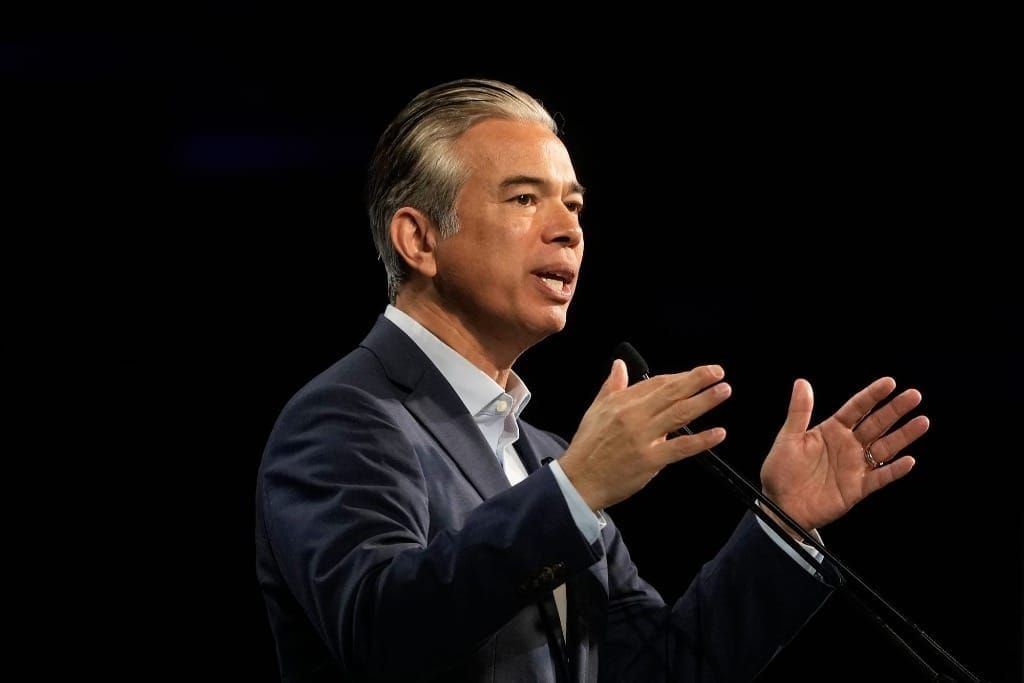
WASHINGTON, Sept. 23, 2026 – California urged a federal judge to toss AT&T’s lawsuit against the state’s copper retirement rules.
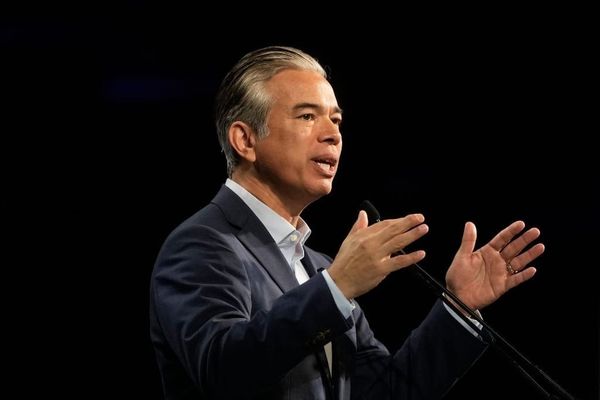
California Attorney General Rob Bonta, D, and the California Public Utilities Commission argued the agency’s rules didn’t require the operation of copper gear at all, and thus were not preempted by the federal copper discontinuance regulations.
In its lawsuit against the state, AT&T is arguing that California’s carrier of last resort (COLR) rules effectively require the maintenance of expensive and slow copper networks in rural areas.
That puts the rules at odds with a Federal Communications Commission order saying that only FCC approval should be necessary for a company to retire copper equipment, the company said. The FCC and states regulate the issue to prevent rural areas from going without voice services essential in emergencies.
“If there were a COLR rule requiring AT&T to maintain its copper wire facilities, such a rule may be preempted. But, of course, no such rule exists,” Bonta wrote in a Sept. 17 filing.
Bonta and the CPUC maintained the agency simply required minimum service that met certain thresholds, and that AT&T was free to rip up its copper whenever it liked, provided it continued providing that minimum service.
AT&T first sued in the U.S. District Court for the Southern District of California in May. The state had already asked District Judge Linda Lopez to dismiss the case, but AT&T filed an amended complaint (making the same preemption claim) last month.
The company said in its complaint that California’s rules were as neutral as the state claimed, pointing to the CPUC’s reluctance to find mobile wireless service as an adequate replacement for copper telephone service.
The state said it would be willing to find wireless service as an adequate replacement, but had asked AT&T to provide evidence that an entire geographic area it was looking to retire would have adequate wireless coverage, including indoors.
AT&T is aiming to retire much of its copper nationally by the end of 2029 — the company says it spends about $6 billion annually on the aging gear. California isn’t entirely included in the decommissioning plan because of its relatively stringent COLR rules.
The carrier is pursuing its effort to retire copper in California at the FCC, too. The agency has already approved the company’s application to discontinue service at nearly 200,000 homes and businesses in the state, a decision the CPUC has asked the FCC to reconsider.
The company is also asking the agency to go further and find that California’s rules are improperly blocking a copper retirement that the FCC has already approved. The effort is still pending and has been backed by other ISPs and industry groups and opposed by the CPUC.
Around the time it filed the FCC petition and federal lawsuit, AT&T said it would invest $19 billion in fiber expansion in California by 2030, which it said would reach an extra 4 million homes.
That apparently hasn’t sweetened the deal in the state’s eyes. The CPUC is also suing the FCC over its March finding that conflicting state regulations on copper retirement were preempted, arguing it lacked authority.
FCC Chairman Brendan Carr has been supportive of the industry’s effort to transition away from copper. The agency has taken multiple steps to ease the process for ISPs, which he has said is aimed at freeing up cash for more modern networks.