
Canada Makes Significant Broadband Progress, But Rural Gaps Persist
Canada achieves 95% broadband coverage, despite major rural and Indigenous gaps.


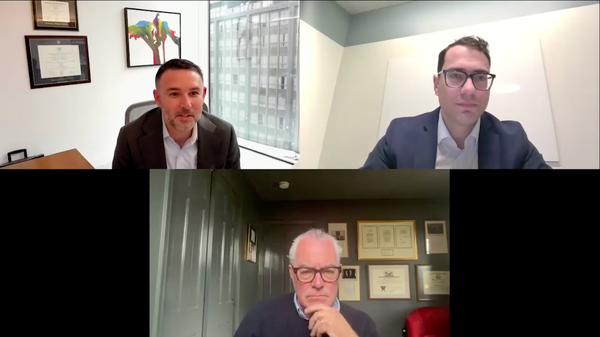
WASHINGTON, September 15, 2025 – Canada has largely achieved its national broadband connectivity goals in urban areas, with about 95% of Canadians now having access to high-speed internet, but significant disparities remain in rural and Indigenous communities, industry experts said during a Broadband Breakfast Live Online event in August.
Ted Woodhead, president of Woodhead Regulatory Consulting and former Rogers Communications executive, said Canada has "basically met" its 50 * 10 Megabit per second (Mbps) broadband objective established in 2016.
"Most Canadians today, about 95% I'm guessing only because the last figures we had were from 2023... have 100 * 20 service," Woodhead said during the event. "Most have a significant number would have well in excess of that because all the telcos are really investing and are at the end of their investment cycles on fiber."
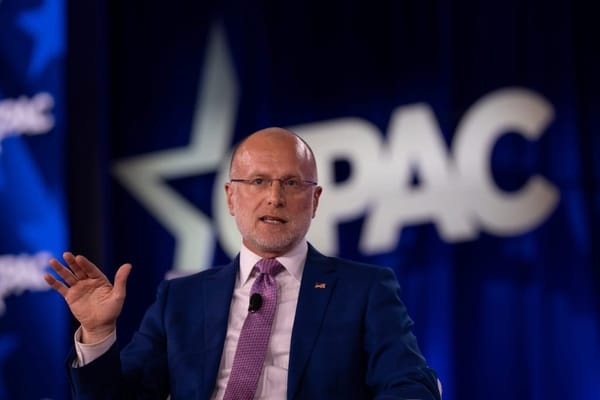
 Jason Presement

However, the progress masks significant inequalities across different populations. Jason Presement, an independent broadband advisor working with Verity Aptus, highlighted the stark disparities in connectivity access.
"It's close to 99% of urban homes have access to that minimum service objective the 50 * 10, but when you take it a little deeper and you look at the rural side of things it's only 78% based on which whoever's numbers you're looking at and then when you get into the first nations side of things it's only about 43%," Presement said.
Canada appears ahead of the United States in fiber deployment, with Woodhead noting that "Canadians have access something like 90% or almost 90% have access to gigabit profiles," indicating widespread fiber or advanced cable infrastructure. The country currently has about 12 million fiber homes with a 45% take-up rate, according to Presement.
The Canadian government has committed approximately $6 billion in various funding sources to connect the remaining 600,000 households that lack adequate broadband access, Woodhead said. This includes programs like the universal broadband fund, similar to the U.S. BEAD program, and the CRTC broadband fund that focuses on middle-mile infrastructure.
Amedeo Bernardi, Founder of Canada's Rural and Remote Broadband Community, emphasized the unique challenges facing the most underserved areas. Many projects receive 90% to 100% government subsidies, but operational challenges persist.
"Even with 100% funding, I think the challenge for a lot of these small communities is the operating... is how do you generate enough revenue to offset the costs of operating?" Bernardi said. "We have such a difficult time in rural, remote, and indigenous communities finding, maintaining, training the people that have to be the boots on the ground to service these."
Operational difficulties acute in vast northern territories
The operational difficulties are particularly acute in Canada's vast northern territories, where Bernardi works with communities that can only be reached by ice roads or float planes. "You have to fly a crew in, you have to wait for the float plane to get across, you have to wait for conditions to be there," he said.
Canada's regulatory environment differs significantly from the U.S., maintaining mandated unbundling requirements that allow resale of virtually every broadband service. "You can resell anybody's fiber. You can resell DOCSIS HFC facilities," Woodhead explained, noting these regulations continue "to this day in Canada" while the U.S. eliminated similar requirements in the early 1990s.
The government aims to achieve 100% broadband coverage by 2030, with officials expecting to meet this goal through a combination of terrestrial infrastructure and satellite services. However, recent political tensions have created uncertainty, as Ontario cancelled its agreement with Starlink over concerns about Elon Musk's role in the Trump administration.
Despite the challenges, industry experts remain optimistic about meeting connectivity goals, particularly as fiber deployment continues expanding and satellite options become more widely available for the most remote areas.






Member discussion