Carr Defends Covered List Expansions
The FCC Chairman also downplayed concerns about him and other agency officials accepting event tickets from regulated companies
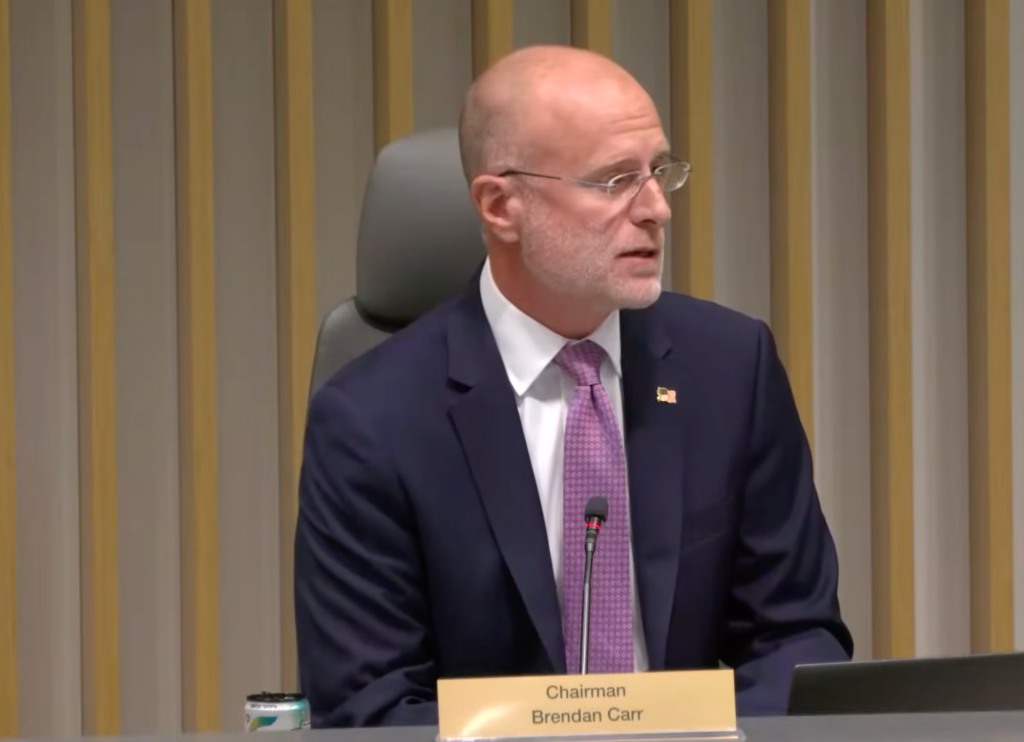
WASHINGTON, Oct. 1, 2026 – The head of the Federal Communications Commission defended Wednesday the agency’s sweeping import bans on foreign-made tech.
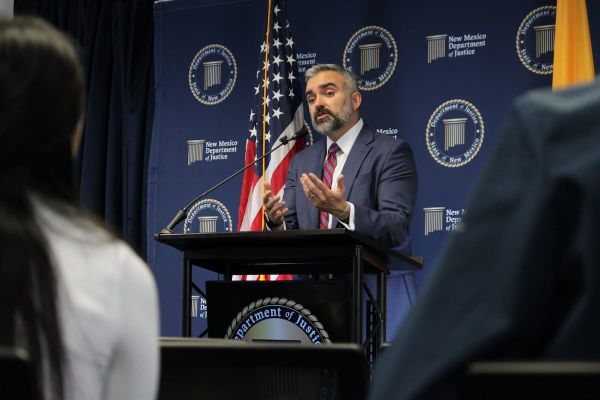
FCC Chairman Brendan Carr said at a press conference the agency’s Covered List process was “working exceptionally well.”

The Covered List is the agency’s list of gear that can't be imported. It largely includes products from Chinese and Russian companies, but the agency has recently added all foreign-made routers and humanoid robotics, meaning new models can’t be imported without a waiver.
Carr was quick to note that while “we participate to some extent,” the FCC ultimately acted on determinations made by other federal law enforcement agencies when it added something to the Covered List.
A new bipartisan House bill led by Reps. Brett Guthrie, R-Ky., and Frank Pallone, D-N.J., would limit Covered List bans to equipment made by companies controlled by foreign adversaries and give Congress the ability to reverse new additions. The lawmakers lead the House Commerce Committee.
The lawmakers said in a joint statement that the current process worked in many cases, but “lacks the transparency, consistency, and clarity needed to meet our long-term national security needs as technology rapidly advances.”
Asked about the bill, Carr said he was “open-minded to legislation that further helps to streamline and strengthen and enhance the process,” but added that there were “some businesses out there that don’t like the idea of having to shift in a reasonable manner to more secure supply chains, and they’re going to find different ways to try to complain about that.”
Another House bill, which the Commerce Committee did not advance with another set of telecom bills recently, would have applied similar restrictions to the FCC’s ban on foreign-made humanoid robotics.
“I appreciate the administration’s recognition of this threat,” Guthrie said during the subcommittee markup of the bill on Sept. 1. “I do have some questions, however, about how an overly broad approach could hurt American supply chains and our ability to compete against China in the long term.”
The FCC has been granting waivers from its ban on new foreign-made routers, granting requests from broadband trade groups allowing their suppliers to alter approved models amid global supply shortages. Groups with recently approved waivers include CTIA, USTelecom, NTCA, and ACA Connects.
Numerous trade groups, like CTIA, INCOMPAS, and others, filed comments earlier this week opposing a July proposal to expand the kind of hardware components that would be blocked from companies on the Covered List. They said any Covered List changes should be tied to a specific threat the FCC or another agency identified, which they said was absent in this case.
Kennedy Center Tickets
At the press conference, Carr also denied passing information as a commissioner to Paramount and Skydance to ensure their merger was approved, which it ultimately was under his chairmanship.
The allegation was made by Rep. Jamie Raskin, D-Md., the top Democrat on the House Judiciary Committee, during a Capitol Forum event Tuesday. Raskin alleged Carr passed along advice at a Kennedy Center honors gala in 2024.
“I don’t know what Raskin is talking about, and I don’t think he does either,” Carr said.
ProPublica reported in July that Carr, along with current FCC Commissioners Olivia Trusty and Anna Gomez and past chairs and commissioners, had attended Kennedy Center galas with tickets sponsored by Paramount or its subsidiary CBS, companies the agency is charged with regulating.
Carr said lawmakers and FCC members from both parties regularly went to Kennedy Center honors galas with comped tickets, which can be worth thousands, and that he went through the normal process when clearing his attendance as chairman in 2025.
Agency chairs have gone to the event “for the past, I don’t know, 20 or 25 years, running through normal, standard review processes when they did that,” he said. “That happened here as well.”
He said his attendance was cleared by agency ethics officials but declined to comment on whether Adam Candeub, then the FCC’s top attorney and now the nominee to lead the Justice Department’s antitrust unit, reviewed the matter.
Gomez, the agency’s lone Democrat, said she didn’t know anything about Raskin’s allegations, but that she normally cleared event attendance with Candeub’s office.