
CBRS Users Defend Band to FCC
WISPA said a forced relocation would disadvantage current users for the benefit of major wireless carriers.

WASHINGTON, July 15, 2025 – The Federal Communications Commission should not consider auctioning shared Citizens Broadband Radio Service spectrum, users told the agency.
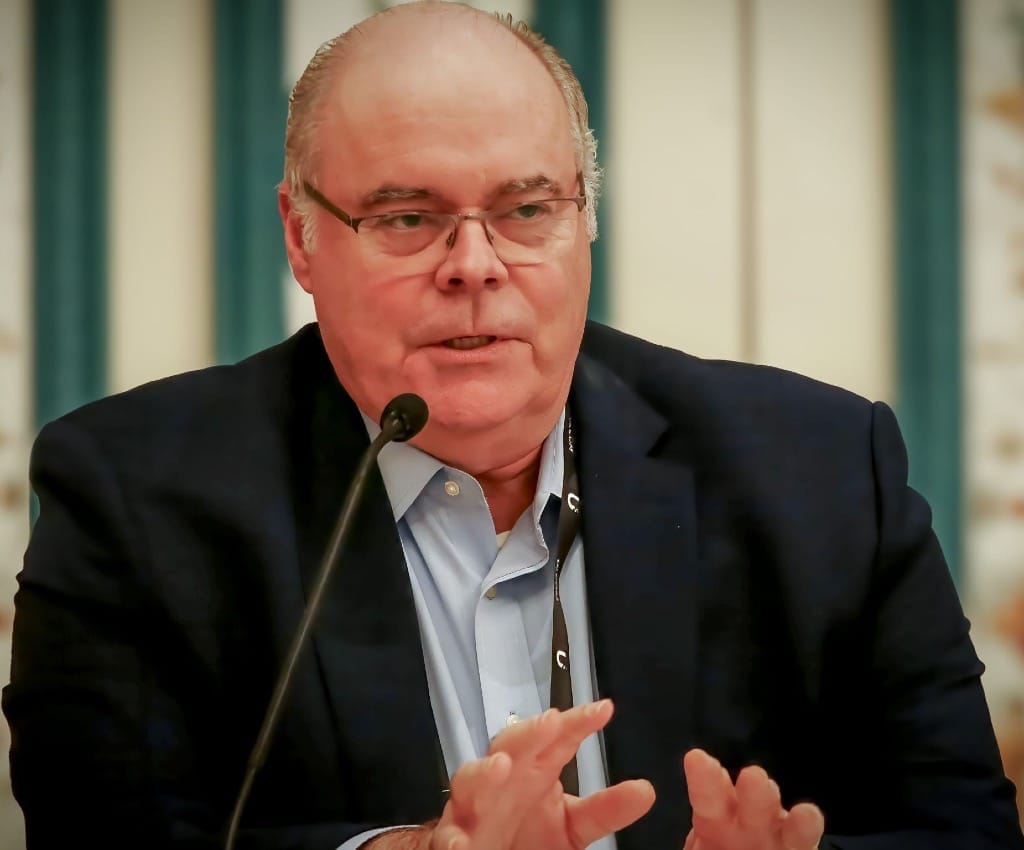
“Disrupting commercial operations, whether through increased power or forced relocation to another band, would strand investment, chill innovation, and impose costs and burdens that will be especially severe and untenable in rural America,” WISPA CEO David Zumwalt wrote in a Monday letter to the agency. The group represents small and wireless ISPs.
WISPA, the cable industry, and consumer groups tried unsuccessfully to secure protections for CBRS, a shared band that sits in the 3.55-3.70 GigaHertz (GHz) band, in Republicans’ recently passed budget bill. The legislation restored the FCC’s ability to sell off spectrum while protecting the military’s lower 3 GHz band and much of its 7/8 GHz band from being auctioned.

Representatives from Federated Wireless, which helps coordinate spectrum use among CBRS users, also met with staff from FCC Commissioner Olivia Trusty’s office Friday. The company urged the agency to “move expeditiously to build upon the success of” CBRS.
CBRS uses a tiered licensing system, with coastal Naval radars getting protection from entities that purchased priority licenses, and those license holders getting protection from those that use the band on a free general access basis. The band is used for wireless broadband and private networks.
AT&T had floated a plan to clear the band and auction it off for higher power, exclusive use last year, and the Defense Department endorsed clearing part of it in an effort to satisfy the carriers’ desire for airwaves without opening more military bands. The wireless industry dislikes the CBRS sharing model generally, and has called for at least raising allowed power levels in the band, which would make it better suited for mobile broadband.
Zumwalt said a forced relocation of the band would “relegate hundreds of licensees” to different airwaves “with fundamentally different propagation or incumbency characteristics for the benefit of a few mobile wireless carriers seeking to create a de facto contiguous band from 3.45-3.98 GHz.”
Proposals to auction the band partly motivated the efforts to protect the band from being included in the 800 megahertz the FCC is now directed by the reconciliation bill to auction off. The same groups that supported CBRS protections also tried unsuccessfully to protect the 6 GHz band, used for Wi-Fi and wireless broadband.
Of that 800 megahertz, 500 are set to be government spectrum and at least 100 has to come from the upper C-band that the FCC is already looking into opening up.
Blair Levin, New Street Research’s policy advisor, has noted that while it’s “not clear” where the remaining 200 megahertz would come from, the FCC would likely face legal challenges from CBRS users if it went through with clearing part of the band.
He said an auction would “take years to accomplish and would likely not provide adequate compensation for the significant costs of equipment development and deployment, labor and other expenses necessary to undertake such a massive relocation, not to mention the significant disruption to service and operations.”
Spectrum auctions have to compensate incumbents for relocation costs, and, as WISPA and CBRS proponents are quick to note, more than 413,000 radios have been deployed in the band.
WISPA and Federated Wireless differed on higher power levels. WISPA opposed the idea, something the FCC took input on last year, saying it would cause untenable interference. Federated Wireless said higher power would align the band with neighboring airwaves, making equipment cheaper and easier to make, and denied that it would have negative effects on incumbent users.







Member discussion