Congress Extends Foreign Intelligence Surveillance Act Deadline
Temporary measure pushes surveillance authority to April 30 amid ongoing debate.

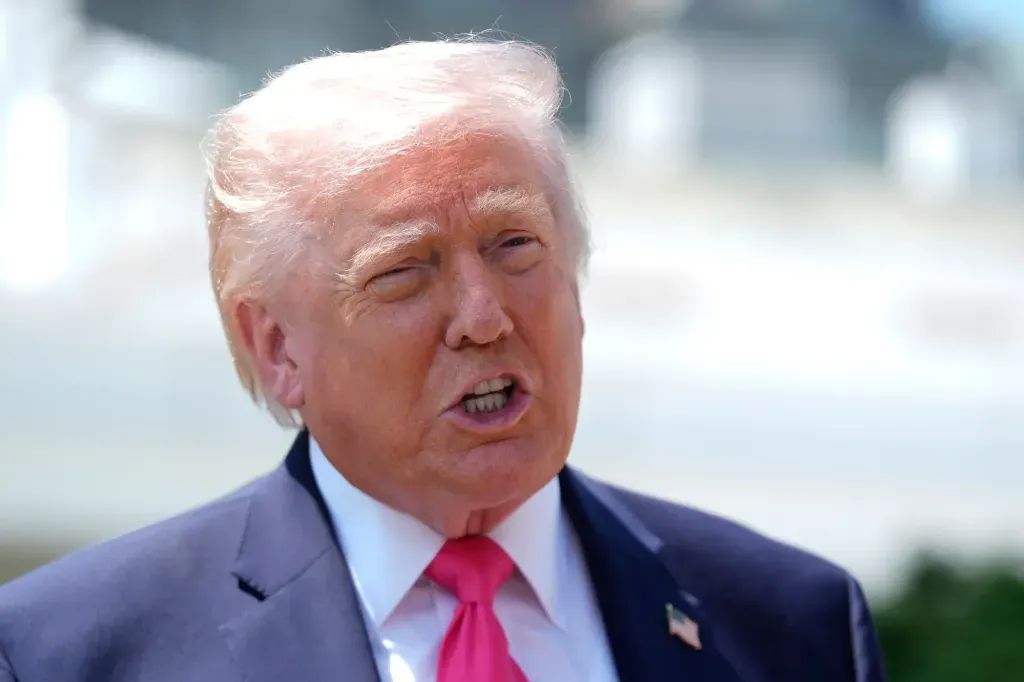
WASHINGTON, April 17, 2026 – Congress on Friday passed a short-term extension of Section 702 of the Foreign Intelligence Surveillance Act, delaying the program’s expiration by 10 days.
The House approved the measure to extend the surveillance authority through April 30, sending it to President Donald Trump’s desk for signature. The program had been set to expire Monday, April 20.
The short-term extension comes after lawmakers failed to reach agreement on a longer-term reauthorization. House Democrats criticized a Republican-led effort to pass a five-year extension this week without bipartisan consultation.

“The attempt by Republicans and the Trump Administration to ram through a five-year FISA extension in the middle of the night without any consultation with Democrats and with ambiguous text ended right where it should have, with another GOP failure on the floor,” House Reps. Jim Himes, D-Conn., Jamie Raskin, D-Md., and Jim McGovern, D-Mass., said in a statement, calling the effort a failure.
Section 702 allows U.S. intelligence agencies to collect communications from non-U.S. persons located abroad, often with assistance from American telecommunications and technology companies. While targeted at foreigners, the program can also incidentally collect emails, texts and calls involving Americans, raising longstanding privacy concerns.
Debate over the program has intensified in recent months, with nearly a dozen House Republicans and Democrats opposing a clean extension and calling for stricter warrant requirements before agencies can access Americans’ data.
President Trump has urged Congress to pass a longer extension, previously calling for an 18-month renewal while preserving reforms adopted in the last reauthorization. He has argued the program is essential to national security, particularly amid ongoing geopolitical tensions.
If Section 702 were to lapse, officials and industry leaders warn it could disrupt intelligence-gathering operations. Some telecommunications carriers have indicated they may stop participating in the program due to potential legal liability if the authority expires.
The uncertainty has heightened pressure on lawmakers to reach a compromise that balances intelligence needs with civil liberties protections.