
CTIA Wants Defense Bill Spectrum Language Cut
The group joins Sen. Ted Cruz, R-Texas, Rep. Richard Hudson, R-N.C., and the White House.

Jake Neenan
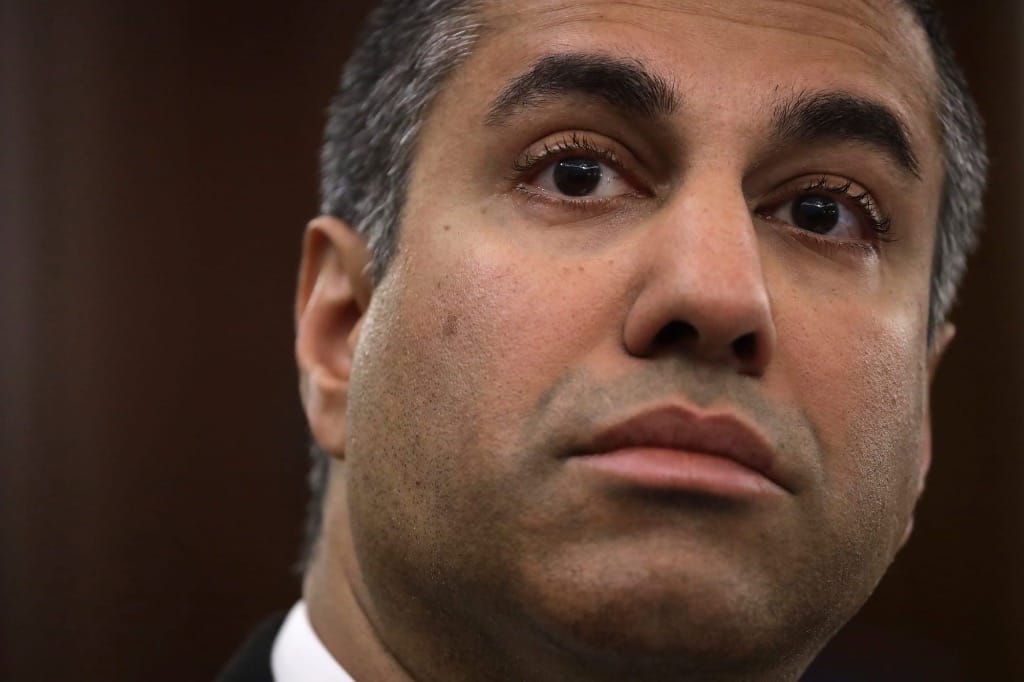
WASHINGTON, Nov. 17, 2025 – CTIA, the major wireless carrier trade group, wants key spectrum cut from the defense policy bill recently passed by the Senate.
“We have serious concerns that a provision in the Senate version of the National Defense Authorization Act (“NDAA”) will undermine the government’s ability to implement” Congress’s goal of auctioning off 500 megahertz of government spectrum, CTIA CEO Ajit Pai wrote in a letter to Congressional leadership Thursday.
Pai led the Federal Communications Commission, responsible for holding spectrum auctions and regulating private-sector spectrum use, during President Donald Trump’s first term, and served on Trump’s transition team ahead of his current presidency.
The provision at issue would require the Defense Department to sign off on any changes to the 3.1-3.45 GigaHertz (GHz) and 7.4-8.4 GHz bands. Those are already blocked from auction by the One Big Beautiful Bill Act, which restored FCC auction authority and mandated the pipeline.
But the concern is that government operations in other bands will have to be moved into the protected ones in order to sell off as much federal spectrum as lawmakers wanted. Senate Commerce Committee Chairman Ted Cruz, R-Texas, a chief advocate for the OBBBA’s spectrum pipeline that carriers are excited about, has railed against the provision.
The language which was included by Sen. Deb Fischer, R-Neb. She and other lawmakers on the Senate Armed Services Committee are concerned about key missile defense systems in the bands at issue being disrupted, if not by being relocated themselves then by being crowded with new entrants in their bands.
“Practically speaking, this means NTIA would not even be able to move other federal operators to these bands – which it will have to do to clear the spectrum pipeline – unless first receiving approval from the sovereigns at the Joint Chiefs,” Cruz said in a September speech.
CTIA's Pai also said White House disapproves
Pai emphasized the fact that the White House has also said it disapproves of the provision. The presidency was given its own veto power over auctions in OBBBA, and the Trump administration said the NDAA language would “hinder the President’s executive authority.”
“Consistent with President Trump's views, we respectfully request that Section 1564 not be included in the final version of the 2026 NDAA,” Pai wrote.
The Senate passed its version, but the House hasn’t approved its own language. The two chambers will have to agree on the legislation before it can be sent to President Trump’s desk to be signed into law.
House Commerce Committee Chairman Richard Hudson, R-N.C., has also said he opposes the language.
“I don’t think we need to give any kind of veto authority to the Pentagon,” he said at a Punchbowl News event last month. “I think that could be counterproductive.”
He added: “It’s the same administration, the Pentagon and the FCC, so I do think they’ll take their needs into account. I don’t think we need that language.”



Member discussion