Digital Equity Advocates Call for Training, Not Just Subsidies, in Rural Broadband Push

Experts said broadband expansion must include digital skills and telehealth access.

Digital Equity Advocates Call for Training, Not Just Subsidies, in Rural Broadband Push
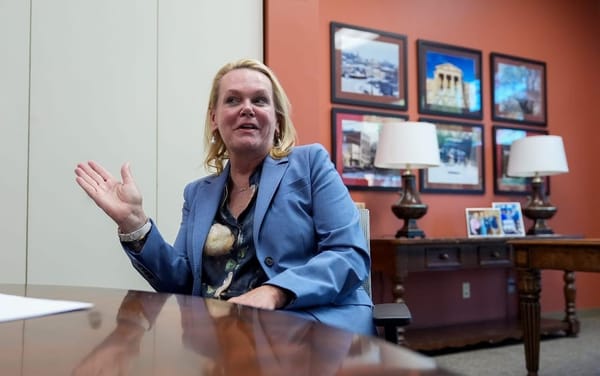
Photos of Shaniqua Corley-Moore, left, director of technology and workforce programs, and Adam Dewberry, qualitative research expert, both of the Center on Rural Innovation

WASHINGTON, Nov. 12, 2025 — Expanding broadband will not guarantee digital equity, researchers at the Center on Rural Innovation, a Vermont-based nonprofit focused on rural economic development, said Wednesday, calling for broadband policies that invest as much in human capital as in infrastructure.

At a panel hosted by the Fiber Broadband Association, an industry trade group representing fiber network providers and suppliers, analysts said digital skills remain the missing link between connection and participation in the modern economy. Ninety-two percent of U.S. jobs now require at least one digital skill, and workers who possess earn about 23 percent more.

Adam Dewberry, a qualitative research expert at the Center on Rural Innovation, said progress in broadband coverage has not erased the rural digital gap. “Access does not equal inclusion,” he said, noting that large shares of residents still lack the skills to use broadband effectively. He added that “if you’ve seen one rural community, you’ve seen one rural community,” stressing that  digital inclusion efforts should account for wide variations in geography, resources, and local capacity.

Shaniqua Corley-Moore, the Center’s tech workforce director, said digital inclusion is about helping people “use that connection in order to learn, work, start businesses, have access to healthcare, and participate in a digital economy.”

She pointed to Seattle’s Digital Bridge Project, which found that distributing computers “did little without hands-on learning and mentoring.” She said programs succeed when instruction is culturally tailored, locally organized, and supported by trusted community institutions such as libraries and schools.

They identified rural veterans and rural women as priorities for digital inclusion programs. Veterans benefit from telehealth and workforce programs such as the Department of Veterans Affairs’ Digital Divide Consult and the Hire Our Heroes cybersecurity initiative, while rural women gain from flexible, evening, and peer-based classes that accommodate caregiving duties.

FBA President Gary Bolton said federal and state investments through the Broadband Equity, Access, and Deployment Program will extend fiber service to nearly every U.S. home by 2030. He said the next challenge is ensuring that once construction ends, networks remain affordable, reliable, and capable of supporting advanced uses such as telehealth and remote learning in rural regions.

Member discussion

Popular Tags