Dish Wireless, DBS File for Bankruptcy
EchoStar’s $23 billion spectrum deal with AT&T still hasn’t closed ‘due to unforeseen delays’

Jake Neenan
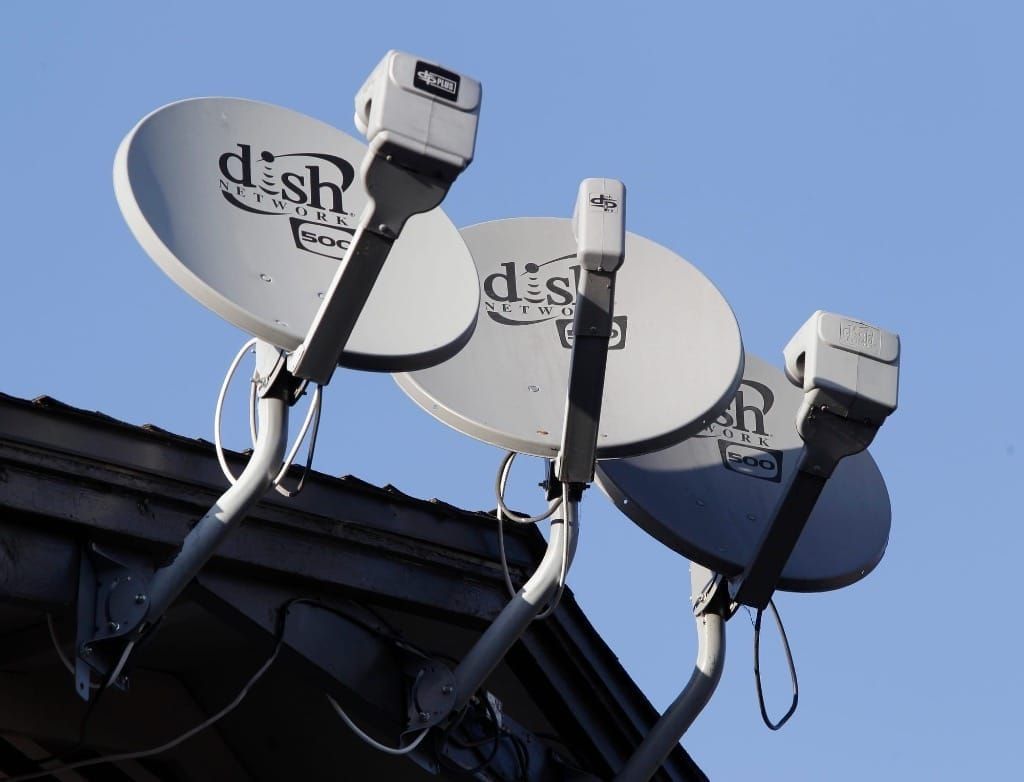
WASHINGTON, July 1, 2026 – Dish Wireless and Dish DBS, EchoStar’s mobile wireless and pay-TV units, filed for bankruptcy Tuesday.
EchoStar said in a release that “due to unforeseen delays,” its $23 billion spectrum sale to AT&T had not yet closed despite clearing regulatory reviews.
That delay was the reason for the bankruptcy filings, the company wrote, and prevented Dish DBS from making $2.2 billion in debt payments due Wednesday. Dish Wireless is a subsidiary of Dish DBS.
EchoStar also missed a $183 million interest payment on June 1, saying it was waiting on its cash from the AT&T deal, but later made the payment on June 17.
“Why these funds haven’t come through yet is a bit of a mystery,” New Street Research analyst David Barden wrote in a Wednesday investor note. Blair Levin, New Street’s policy advisor, “sees no reason why they shouldn’t.”
AT&T did not immediately respond to a request for comment.
In its June 18 filing to the Securities and Exchange Commission, EchoStar said that Federal Communications Commission approval of the deal “remains subject to the FCC’s order becoming final.”
EchoStar and its subsidiaries are planning to operate as normal during the bankruptcy proceedings. The prepackaged bankruptcy filing was an extension of a March restructuring plan that was already agreed to by holders of more than 88 percent of Dish DBS’s debt, which includes more than $8.8 billion in Dish Wireless debt.
The company said its Hughes satellite arm and the entity that operates its Boost Mobile brand were not included in the filings.
Dish DBS and Dish Wireless are expected to emerge from Chapter 11 protection by the end of the third quarter of this year, the company said.
EchoStar is expecting to net $20.25 billion in cash from the AT&T deal. It said in its release that when the transaction closed it would make the payments that were due Wednesday.
Dish Wireless will continue turning down its mobile network, according to the company. As part of the AT&T deal its Boost Mobile service will operate mostly on AT&T infrastructure.
Several former business partners are suing Dish and EchoStar, arguing Dish has been improperly skirting its lease and contract obligations after EchoStar’s spectrum sales.
Dish and EchoStar’s position is that EchoStar was effectively forced to sell its spectrum by FCC pressure, and that Dish isn’t necessarily entitled to the proceeds, leaving it unable to pay its bills through no fault of its own.
“The chapter 11 process will provide a forum for the determination of all claims against DISH Wireless and the distribution of proceeds from the sale of its remaining assets,” EchoStar said in its release.
When it approved the company’s spectrum sales — EchoStar is also selling $19.6 billion worth of spectrum to SpaceX — the FCC said EchoStar had to set aside $2.4 billion in an escrow fund. Tower companies and contractors are supposed to be able to draw from that fund if they prevail against EchoStar in court, although some of the biggest tower companies in the country are collectively seeking more than that.
EchoStar said the bankruptcy filings “will not impact the establishment of the fund,” but that creditors with qualifying chapter 11 claims can also try to recover them from the fund’s cash. The terms of the escrow’s trust agreement were filed with the FCC earlier this week.
“EchoStar has been at the forefront of telecommunications for over 45 years, and these steps will position the business for an even stronger future,” EchoStar CEO Charlie Ergen said in a statement. “We are operating as usual throughout this process, delivering the same high-quality services that our customers expect.”
Part of EchoStar’s SpaceX spectrum sale was paid for in SpaceX stock. That was worth $11.1 billion at the time, but since SpaceX’s massive IPO EchoStar’s stake would now be worth more than $40 billion, New Street estimates.
The deal also has yet to close, though. That’s expected in 2027 according to SpaceX’s IPO filing.