
EchoStar Selling More Spectrum to SpaceX
SpaceX is buying unpaired AWS-3 licenses for $2.6 billion in stock.

Jake Neenan
WASHINGTON, Nov. 6, 2025 – SpaceX is buying more spectrum from EchoStar, this time AWS-3 licenses in exchange for about $2.6 billion in SpaceX stock.
The licenses are only for uplink use, or data transfer from a device to a cell tower, and aren’t the entirety of EchoStar’s AWS-3 holdings. SpaceX also reached a deal to buy AWS-4 and PCS H-block licenses from EchoStar in September for $17 billion in cash and stock.
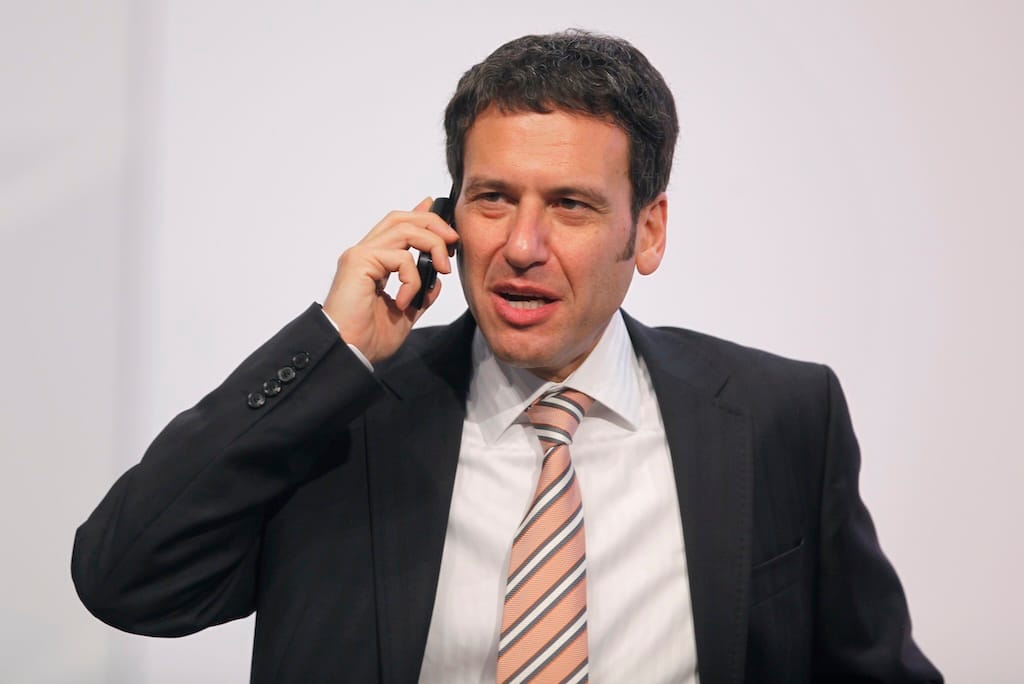
Hamid Akhavan, former EchoStar CEO and now the head of the company’s new investment division, said in a statement that all those new airwaves would help Elon Musk’s SpaceX offer direct-to-cell satellite service, something the company has big plans for. SpaceX hasn’t commented on the deal.
EchoStar made the initial SpaceX sale, plus a $23 billion spectrum sale to AT&T, to alleviate pressure from the Federal Communications Commission Chairman Brendan Carr, who was adamant the company wasn’t putting its airwaves to good use.
Analysts have said the satellite company is likely to liquidate the rest of its spectrum. Verizon has reportedly expressed interest in EchoStar’s remaining AWS-3 licenses.
The FCC is gearing up to re-auction some additional AWS-3 airwaves, most of which were returned to the agency by Dish, which is now owned by EchoStar. That means EchoStar is on the hook for a shortfall payment if the licenses fetch less than the roughly $3 billion they were originally purchased for.
Asked on the company’s earnings call if there was a possibility of somehow wrapping EchoStar’s AWS-3 spectrum into the FCC auction, newly appointed EchoStar CEO Charlie Ergen would only say the company talking about the auction with the agency.
“There potentially are ways to make this the most efficient auction,” he said. “We’re in the process of those discussions with the FCC and obviously others will have input as well.”
EchoStar had sued the FCC over the particulars of the auction rules, citing a fear the company might end up having to make a substantial shortfall payment, but both parties told judges last month they were negotiating an agreement that could end the lawsuit.
Changes at EchoStar
The company also announced Thursday it was standing up a new investment arm called EchoStar Capital. It will house the cash coming in from the spectrum sales, which still need approval from the FCC.
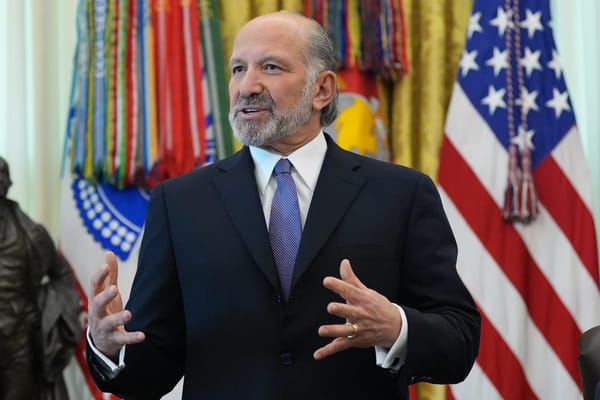
EchoStar Capital will be “focused primarily on capital management and M&A,” Akhavan said. Akhavan was named CEO of EchoStar Capital, while Ergen, co-founder and chairman of EchoStar, is filling Akhavan’s seat as the company’s CEO.
“The roadmap is not one hundred percent laid out at the moment,” he said. “Obviously as time goes on we will be more specific about how and where we deploy that capital.”
Towers
Tower operator American Tower sued EchoStar late last month, accusing the operator of improperly trying to ditch its long-term leasing contract. EchoStar had argued that it was effectively forced by the FCC to sell much of its wireless spectrum and decommission its radios, and thus could exit the lease before its planned end in 2036.
American Tower argued EchoStar wasn’t forced to do anything, and simply sold valuable assets for a hefty sum.
Asked by an analyst for an update on the case, and if EchoStar might actually stop paying tower companies, Ergen declined to comment.
In general, he said EchoStar’s vendors and business partners were impacted by the sudden spectrum sales, “and we’ll work with them to the extent they want to work with us to try to resolve those issues.”
Quarterly results
EchoStar reported 223,000 new subscribers to its wireless service, well ahead of Wall Street projections. The company is transitioning to operating that service primarily on AT&T infrastructure as part of that spectrum sale, with EchoStar operating its own software core for the network.
As a result of some of its assets losing value with the announcement they would be decommissioned, the company took a $16.48 billion hit known as an impairment charge.
The company now counts more than 7.5 million mobile subscribers.

Member discussion