EchoStar to FCC: Tower Escrow Could Jeopardize Spectrum Deals
The company also reported 16,000 new mobile subscribers in the second quarter, down from the same time last year.

Jake Neenan
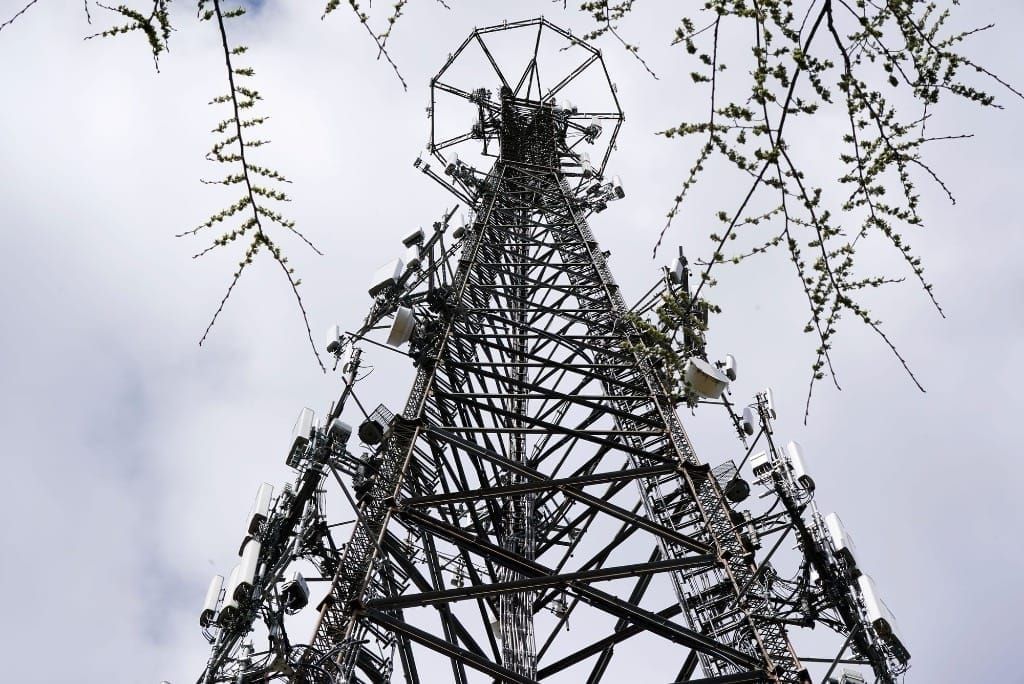
WASHINGTON, May 11, 2026 – Tower companies and other infrastructure providers are asking federal regulators to force EchoStar to put aside spectrum sale proceeds to pay what they say they’re owed. EchoStar said the requirement could end the $40 billion deals.
“If an escrow condition is involuntarily imposed, it would directly jeopardize the transactions themselves,” the company wrote in a filing with the Federal Communications Commission posted Monday. “It would also set a damaging precedent that will open the floodgates for litigants to seek redress against companies with business in front of the Commission while prosecuting their cases in court.”
Since EchoStar reached deals with SpaceX and AT&T to sell much of its spectrum, its subsidiary Dish Wireless has been telling tower companies and other business partners that it is exempt from their contracts and leases. The sales were forced by FCC pressure, the companies say, and Dish won’t receive any of the billions in proceeds, leaving Dish unable to pay its bills through no fault of its own.
Tower and infrastructure companies have sued, at least eight in total, including the three largest tower companies in the country, arguing Echostar wasn't forced to sell and is trying to avoid paying its subsidiary's bills.
EchoStar said in its FCC filing Monday that it had privately settled disputes with “hundreds” of other vendors and paid out hundreds of millions in the process.
The tower companies want the FCC, which has to approve EchoStar’s spectrum sales, to require the company to put aside an escrow fund that would, if they won their suits, be used to pay them what they’re owed. CEOs from major tower companies have pleaded their case directly to FCC Chairman Brendan Carr and made numerous additional filings with the agency.
EchoStar argued Monday that the FCC had no authority to impose a condition on the party selling a license and shouldn’t be the entity handling private contractual disputes.
“In a blatant abuse of the Commission process, they are asking the agency to wield extralegal power that it does not have,” EchoStar wrote. “The Commission cannot, and should not, step into the judiciary’s shoes by ordering an escrow.”
The tower companies wrote a letter to the FCC's top lawyer in February making the case for an escrow fund, which they argued was permissable and would prevent damage to the industry.
EchoStar earnings
EchoStar also reported its first quarter results Monday but did not hold a call with analysts.
The satellite company added 16,000 new customers to its Boost Mobile wireless brand, down from 150,000 the same time last year and up from the 9,000 it lost last quarter.
The company attributed the lower additions to fewer subsidized subscribers and lower gross additions. It ended the quarter with 7.53 million mobile subscribers.
As part of the spectrum sales, Boost will be operated primarily on AT&T infrastructure and still run on EchoStar’s software core. That transition was completed on Nov. 15, 2025, according to a filing with the Securities and Exchange Commission.
EchoStar lost 58,000 geostationary satellite broadband subscribers, which it attributed to competition from Starlink and terrestrial ISPs, for a total of 681,000. The losses were worse than the same time last year and than the previous quarter.
The company brought in $3.67 billion in revenue, largely from its Pay-TV business. That also lost subscribers, with 366,000 net losses. On net, EchoStar lost nearly $147 million in the quarter.