Europe’s ‘Middle Powers’ Face Structural Challenges in AI Race
European powers are constrained by limited investment and reliance on U.S. firms, speakers say.

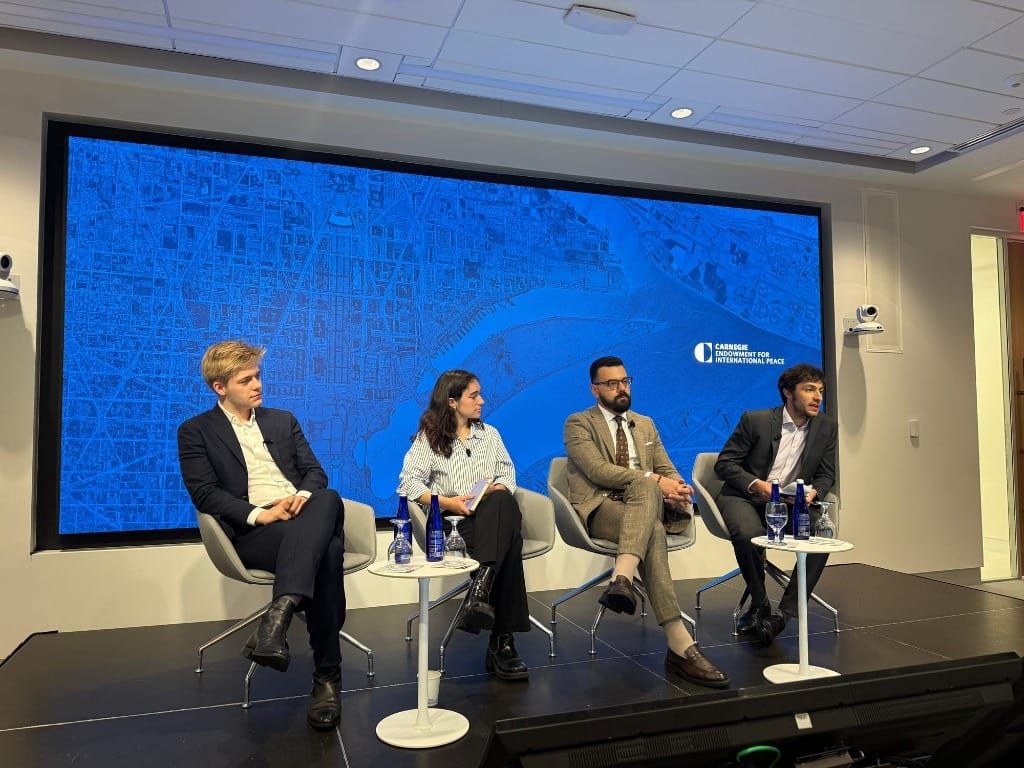

European powers are constrained by limited investment and reliance on U.S. firms, speakers say.

The pandemic relief money will instead go to support mental health care in jails, food‑insecurity programs, and multifamily housing efforts
The offer arrived a day after Anthropic announced that it will commit 5% of its shares to a new 'public benefit' fund

CEO Dario Amodei and the company’s five other cofounders have already pledged that they will donate 80% of their wealth

Terms like 'dynamic pricing' and 'surveillance pricing' are stirring up anger and anxiety on social media