
Experts Urge BEAD Program to Fund IXPs Alongside Last-Mile Broadband
Internet Exchange Points are a critical deployment, alongside last-mile broadband, to prevent rural infrastructure gaps.

WASHINGTON, August 22, 2025 – Federal broadband funding should support Internet Exchange Points in rural areas to maximize the impact of last-mile infrastructure investments, telecommunications experts said during a Broadband Breakfast Live Online webinar Wednesday.
The $42.45 billion Broadband Equity, Access and Deployment program focuses primarily on connecting unserved households, but industry leaders argue that middle-mile infrastructure gaps could undermine those investments without complementary IXP development.
"We have a once in a generation, once in a lifetime opportunity with BEAD funding to address this," said Tonya Witherspoon, CEO of consultancy Mindscapes. "As we work on BEAD and we build out the last mile, if we don't have the first mile to connect to, the last mile isn't going to help us."
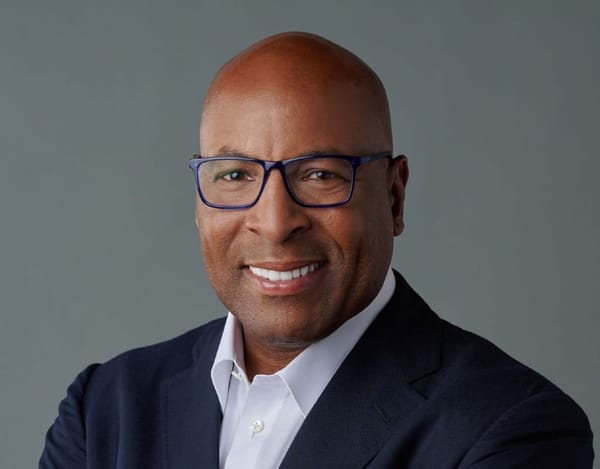
Tonya Witherspoon during the Broadband Live event on Wednesday
 Broadband Breakfast
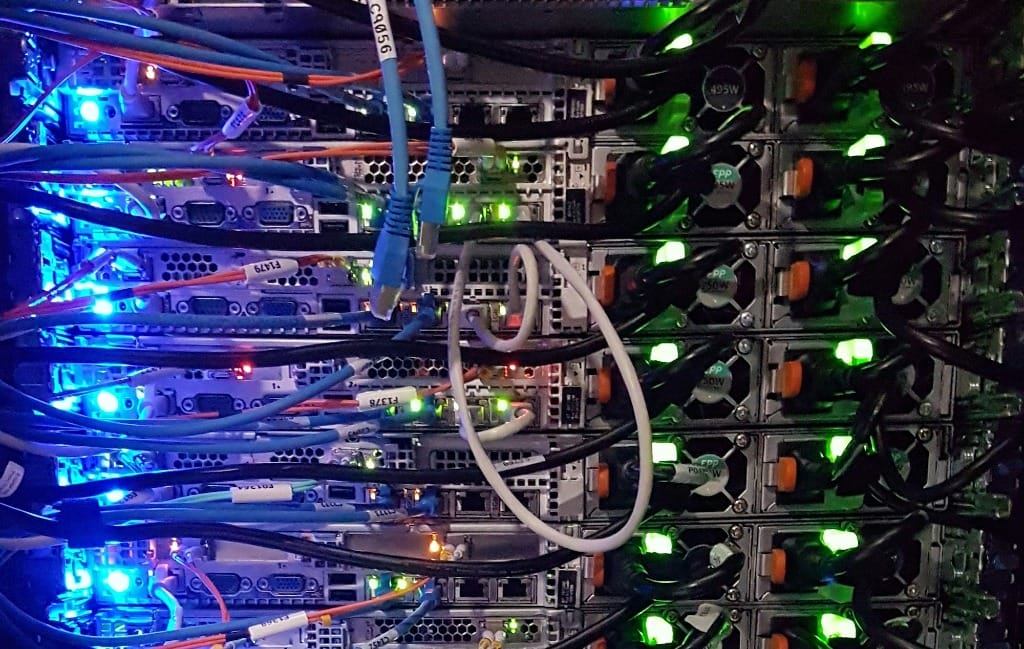
Internet Exchange Points are physical facilities where Internet service providers exchange traffic locally, reducing costs and latency. Currently, only 126 of the world's 630 registered IXPs are in North America, with most concentrated on the coasts.
Witherspoon led efforts to establish Kansas's first IXP at Wichita State University using $5 million in state broadband funds—a model she believes could be replicated with BEAD money. "We need to put some policy towards this and make sure that BEAD money can be used for IXPs," she said.
The BEAD program includes funding for middle-mile projects, but experts worry about sustainability without dedicated IXP investment. Independent telecommunications consultant Brian Smith said small IXPs cost about $100,000 annually to operate, making them difficult to sustain in rural markets without ongoing support.
"Broadband funding should target true gaps, hybrid builds, consistent ISPs, and accountability for carriers so public dollars create lasting infrastructure instead of subsidized overbuilds," Smith said.
Clayton Wooley, director of technical strategy with Ready.net, said current infrastructure forces rural traffic through distant exchange points, increasing costs that BEAD deployments won't address. Using Mississippi as an example, he noted: "Every bit of that traffic goes out of state."
Woolly suggested BEAD could treat broadband infrastructure more like a utility. "If broadband actually gets treated more and more like a utility, where we do have some of those public resources to connect to, it'll lower cost for the ISPs and hopefully lower cost for consumers as well," he said.
Garland McCoy, co-founder of the Precision Agriculture Connectivity and Accuracy Stakeholder Alliance, said BEAD's focus on residential connections overlooks critical rural business needs. "There's a real shortage of IXPs in rural America," McCoy said. "Broadband is a gatekeeper issue with regard to the adoption of precision agriculture."
The experts emphasized that artificial intelligence workloads will strain networks built without local exchange capabilities. "AI is a completely different data workload that changes everything," Witherspoon said, noting that major aerospace and defense facilities in Kansas lack direct peering capabilities despite handling sensitive national security data.
Smith advocated for standardized IXP equipment and governance structures when using public funds. "If public money funds infrastructure in a public space, there should be durable public benefit, open interconnection participation in neutral ISPs and no upstream gatekeeping," he said.
As states finalize their BEAD proposals, the panelists urged broadband officials to consider IXP investments alongside last-mile deployments to ensure rural communities can fully benefit from federal connectivity investments.




Member discussion