FCC Split on Lifeline Eligibility Reforms, Gomez Says
Commissioner calls subsidy ‘measly’ amid current affordability crisis

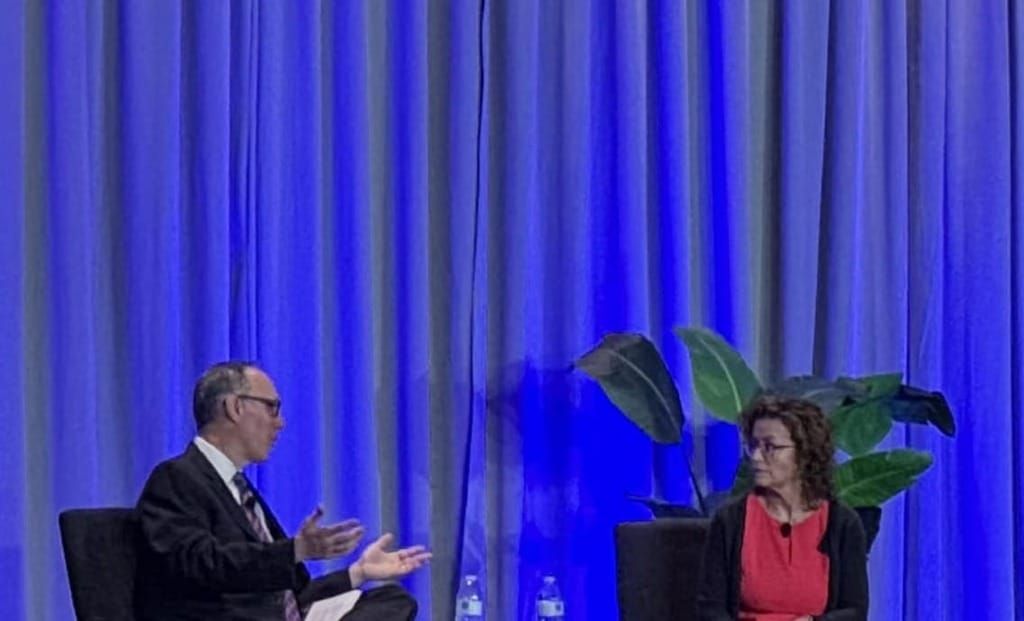
WASHINGTON, April 27, 2026 — Anna Gomez said the Federal Communications Commission remains divided over the future of its Lifeline subsidy program, citing concerns about affordability and program design.
Speaking at a policy conference hosted by NTCA–The Rural Broadband Association, Gomez said the program’s $9.25 monthly benefit has not kept pace with current costs.
“We currently have the Lifeline program at the FCC right now,” she said. “It continues to be a really measly $9.25 a month… given today’s issues with affordability that families that cannot afford to meet their basic needs, much less pay for their phone or their broadband service.”

The debate comes as the FCC considers new anti-fraud and eligibility rules, with a May 4 deadline for public comments. Proposed measures include requiring full Social Security numbers and expanded verification through federal databases.
The Lifeline program, established in 1985, provides discounted phone and broadband service to qualifying low-income consumers. Gomez said expanding access and increasing support levels should be a priority as the agency works toward universal connectivity.
The program has faced criticism from FCC Chairman Brendan Carr, who has raised concerns about eligibility and oversight. In the past, Carr has argued that benefits should be limited to eligible recipients “living and here legally,” pointing to data suggesting improper payments.
Gomez pushed back on efforts to narrow the program, instead calling for reforms to strengthen it. “We should be looking at how to bolster the program so that we have more eligible households able to utilize the program,” she said.
Industry groups, including National Lifeline Association, have similarly argued that the current subsidy level is insufficient to support modern connectivity needs, including voice, text and data services.
Gomez, the FCC’s sole Democratic commissioner, has consistently opposed efforts to restrict Lifeline access and said broader coordination with Congress will be necessary to address affordability challenges.