FCC to Consider High Cost Update at May Meeting
The agency will also vote on broadband data collection and robocall items.

WASHINGTON, April 29, 2026 – The Federal Communications Commission will vote at its May 20 meeting on an item exploring reforms to its High Cost program.
The program spends about $4.5 billion each year on the building and maintenance of rural broadband networks. It has more than 15 programs under its umbrella according to a 2025 annual report.
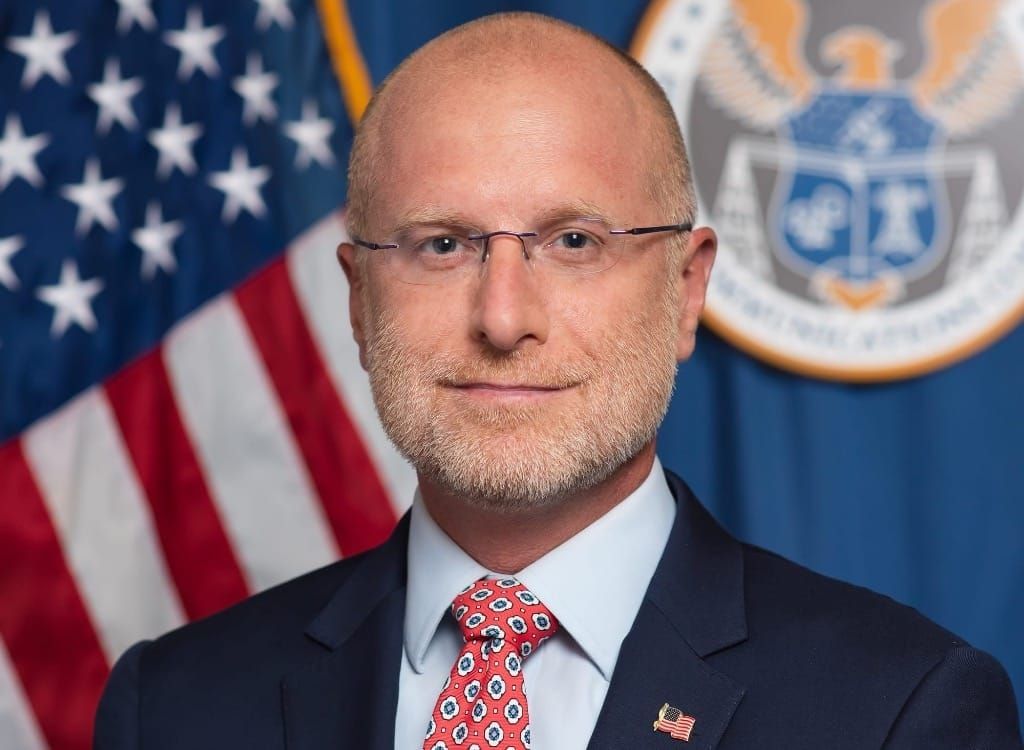
“We will vote to launch a High-Cost Modernization initiative that explores how the agency’s legacy high-cost programs can be refreshed to reflect today’s marketplace,” FCC Chairman Brendan Carr wrote in a Tuesday blog post. “As sunset dates for some of the programs approach, this proposed item would encourage a conversation on approaches to updating a subset of legacy support mechanisms to align them with the modern communications landscape.”

He didn’t detail which programs would be targeted by the item. At an NTCA event Monday, he said the agency would be doing a “soup to nuts” review of its USF programs. He told NTCA CEO Mike Romano that small number of High Cost programs are set to sunset in 2026 and 2028, and thus “now is the right time to look at how to make sure we have the right support and approaches going forward to ensure that rural communities, the ones you serve, continue to be connected.”
Under Carr the agency has so far proposed tightening eligibility for USF’s low-income subsidy and is set to vote Thursday on a new bidding portal for another program aimed at schools and libraries.
Carr has billed both as efforts to reduce fraud and increase transparency. He zeroed in on deceased subscribers on the low-income program, called Lifeline, in states that opted out of the federal identity verification system: California, Texas, and Oregon.
Opponents to new Lifeline requirements, including the agency’s lone Democratic commissioner, argued new requirements would lower subscribership among vulnerable households and weren’t necessary to curb relatively low levels of fraud. Educational groups are already urging the agency against the new bidding portal.
Lawmakers are working on an update to USF, which spends about $8.5 billion annually and is funded by fees on a shrinkning pool of voice revenue. House lawmakers are expecting a draft bill by the end of May, and Senate staff have targeted the summer.
Broadband map
The agency is also set to vote on an order and further notice of proposed rulemaking to modernize its broadband data collection system. The agency maintains a map of nationwide broadband coverage, and ISPs have to submit advertised speeds to the agency twice annually.
“The proposed item aims to streamline processes and reduce unnecessary regulatory burdens and costs while also improving the accuracy of the data collected,” he wrote.
Robocalls
The agency will vote in May on a proposal to set up more detailed know your upstream provider (KYUP) requirements “that aim to hold providers to a higher accountability measure or to eliminate them from the voice ecosystem if they continue to facilitate illegal robocalls.”
The item would also propose to close loopholes in the FCC’s STIR/SHAKEN anti-robocall protocols and raise standards for compliance, the agency said in a separate release. The FCC has for years been consistently trying to clamp down on illegal scam calls.
Disaster reporting
Also on the agenda is an order that would update the FCC’s disaster reporting requirements. Its Disaster Information Reporting System (DIRS) gets activated during severe weather events and requires telecom providers to submit daily outage and damage information.
“The new rules would streamline reporting requirements and augment providers’ ability to submit geospatial data about outages, improving both efficiency and situational awareness,” Carr wrote.