Lawmakers Aiming to Circulate Draft USF Framework This Summer
Meanwhile, the FCC is seeking comment on how it might improve USAC

WASHINGTON, April 16, 2026 – Proposed reforms to a major federal broadband subsidy program are still taking shape on Capitol Hill.
Lawmakers are aiming to circulate a discussion draft of legislation that would modernize the $8.5 billion-per-year Universal Service Fund this summer.
Meanwhile, the Federal Communications Commission, which manages the fund, is asking for input on whether it should make changes to the nonprofit it delegated accounting and administrative duties to. The inquiry largely does not overlap with issues raised in a lawsuit attacking the legality of both USF and the nonprofit, called the Universal Service Administrative Company.

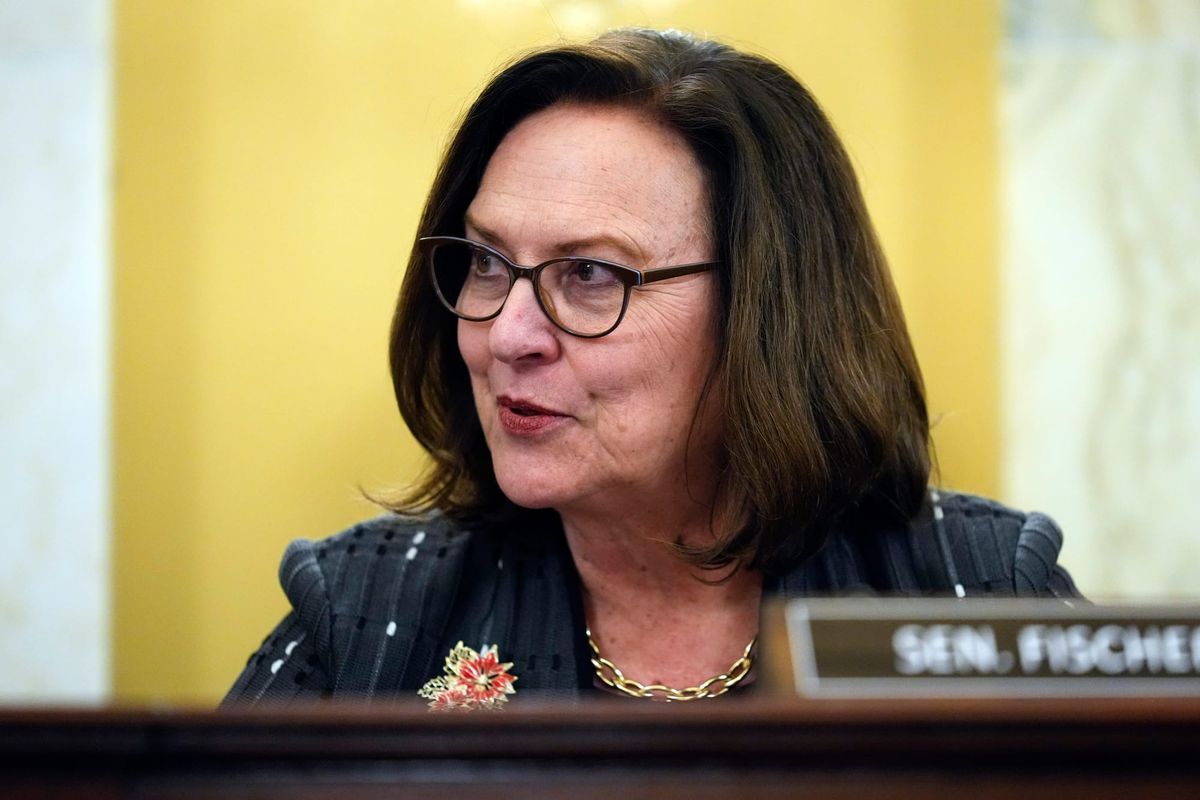
Lawmakers working on a new USF framework “are continuing to refine a discussion draft that I hope to share with stakeholders for review in the summer timeframe,” Jonas Hart, a legislative assistant for Sen. Deb Fischer, R-Neb., told stakeholders in an email.
Fischer is one of the leaders of a bipartisan, bicameral group of legislators working on the issue. Aides from other legislators involved had said last year that they were hoping to have a draft ready in early 2026.
There’s broad agreement the program needed some kind of updating, as the voice revenue that funds it is shrinking while expenditures remain roughly consistent. Where to go for extra funding has proved a difficult problem, with the broadband and tech industries each pushing for each other’s revenue to be tapped.
USAC inquiry
In a public notice posted Wednesday, the FCC sought comment on how it might improve USAC’s operations and its own oversight over the group. Those are due May 15.
“Given the passage of time since the FCC last conducted a wide-ranging review of USAC and its relevant processes, we seek comment on strengthening USAC’s internal processes and improving its management structure to increase efficiency in the administration of USF programs,” the agency wrote. “As part of our ongoing commitment that our standards continue to serve the public interest, we also seek comment on whether the [FCC’s] oversight framework for USAC implements best practices, including standards for accountability and transparency.”
The agency sought input on USAC procedures that are in need of improvement or burdening USF participants. It also asked whether the composition of USAC’s board should change – its 20 members represent telecom providers, entities eligible for USF discounts, and others – and whether additional steps could be taken to prevent conflicts of interest.
In comments to Fischer’s working group last year, industry groups representing rural ISPs, led by NTCA - The Rural Broadband Association, complained that USAC audits could be time-consuming and were often disorganized. They said Congress should direct the FCC to establish shot clocks for USAC responses to inquiries from audited firms, an effort to prevent audits from remaining open for months or years without communication.
Major broadband industry group USTelecom said that “over time, USAC has improved its governance over programs and increased efficiencies, but there is still work to do.” The group didn’t get into specifics.
The FCC’s inquiry was separate from USAC issues raised in a lawsuit filed by conservative nonprofit Consumers’ Research. In addition to arguing the USF is unconstitutional, the group is telling the U.S. Court of Appeals for the Fifth Circuit that the FCC doesn’t have the authority to appoint USAC board members at all.
The Supreme Court dealt Consumers’ Research a defeat in a similar case earlier this year, both upholding USF and ruling that USAC’s role in administering it was proper.