Fiber Construction Blamed for One in Four Utility Strikes
Gas line strikes in Missouri highlight safety concerns as telecom construction accelerates.

Oct. 1, 2025 – Fiber installations in Lexington, Missouri, struck two gas lines in 24 hours. Nationwide, such strikes now account for nearly one in four cases of underground utility damage, according to the Common Ground Alliance.
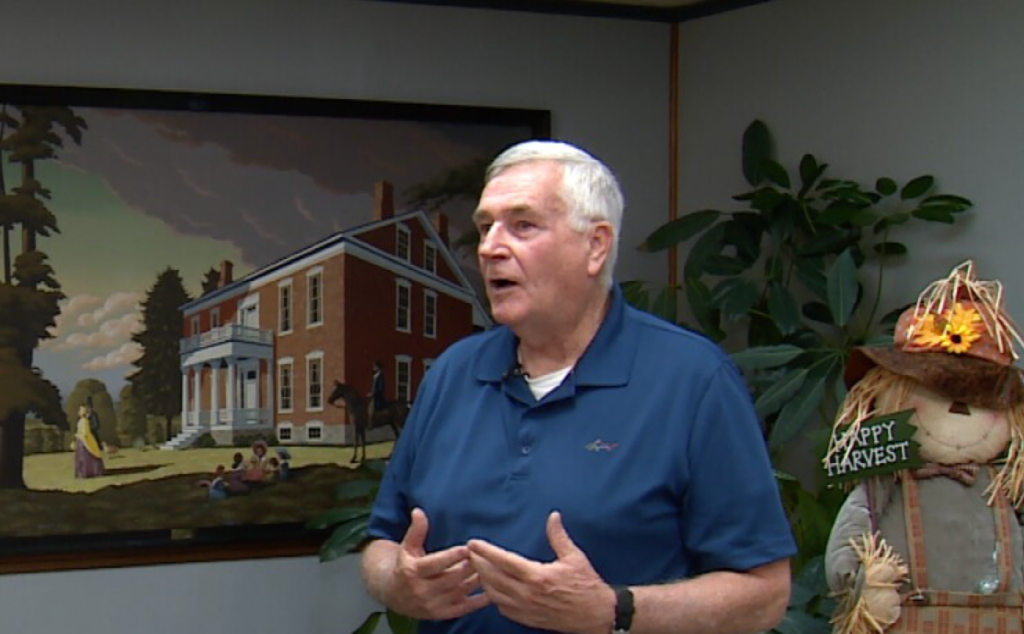
Lexington Mayor Tom Hughes said the rapid push to expand high-speed internet is fueling the risk. “It actually happens a lot. It happens in communities all over the state because of the rush to get Internet in,” Hughes said, noting no injuries in last week’s incidents involving Xfinity contractors.
Earlier this year, however, a fiber strike in the same city had far deadlier results.
A gas line that was not properly marked was damaged during broadband work, leading to a house explosion that killed a five-year-old boy, the National Transportation Safety Board reported.
Analysts say labor can represent up to 80 percent of a fiber build’s cost, an economic pressure point that can drive crews to cut corners. Safety officials warn that speed, paired with weak coordination, raises the chance of error even with colored flags and paint markings meant to signal buried lines.
The Damage Intervention Reporting Tool report logged more than 189,000 damage incidents nationwide in 2024, with fiber and telecom work responsible for 23 percent. Missouri and other states have tightened excavation standards, but observers warn stronger safeguards may be needed as billions in broadband funding accelerate fiber deployment into already crowded underground corridors.
State's largest utility wants to spend more than $15 billion to increase electricity capacity by 50% over six years to serve data centers.
The companies argued they don't compete with each other and have been buffeted by subscriber losses.
Experts said the bold plan was worth celebrating but warned that the government's embrace of AI tools shouldn't come at the expense of safety.
EchoStar’s Charlie Ergen reiterated the company's ‘force majeure’ argument to FCC Chairman Brendan Carr.
Member discussion