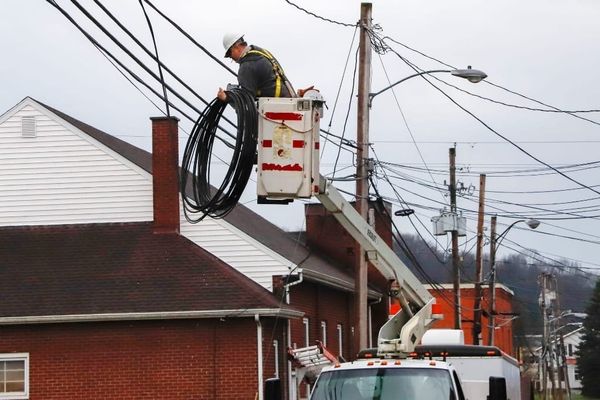
Fiber Industry Faces Competing Pressures From Data Centers and Workforce
Fiber industry speaking at BroadbandLive at Fiber Connect on Tuesday discussed BEAD delays, workforce shortages and data center demand.

ORLANDO, May 19, 2026 — Fiber industry leaders gathered at Fiber Connect 2026 said Tuesday that despite momentum, workforce shortages, permitting delays and surging data center demand are converging into competing pressures.
Speaking on a Broadband Breakfast Live Online panel Tuesday, Rebecca Denman, president of business development at construction company Unitek Global, said forecasts are shifting rapidly as Broadband Equity, Access and Deployment program projects move toward execution.
"We are beginning to see a lot of our forecast for 2027 be definitely allocated to BEAD," Denman said, adding that roughly 90 percent of BEAD projects are unlikely to be shovel-ready until 2027.
Full Event Videos from Fiber Connect available to all
 Broadband Breakfast
That timing concerned Greg Bathrick, area vice president of commercial development at broadband equipment and software provider Calix, who said workforce capacity cannot scale on demand.
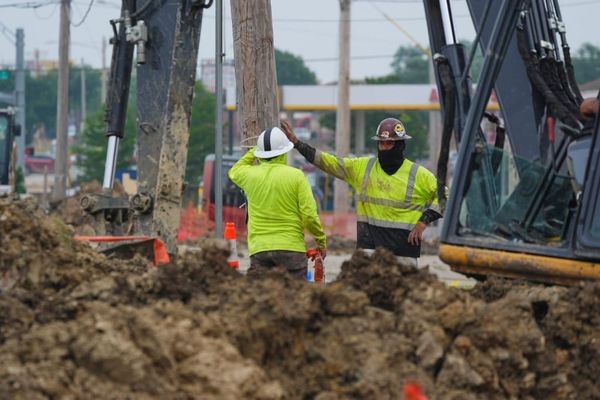
"Workforce is not elastic,” Bathrick said. “It's not like a supply chain issue that you just build more." He praised the host of the conference, the Fiber Broadband Association, for its expansion of its OpTIC Path training program through state broadband offices and community colleges, calling labor development a critical use for BEAD non-deployment funds. Denman agreed, saying specialty training for splicers and technicians is essential to last-mile execution.
Generational workforce challenges
The workforce challenge is also generational, said Donald Ray, chief development officer at internet service provider BAM Broadband. "It is about changing the culture of the industry to woo them in," Ray said, noting that recruiting younger workers requires balancing the realities of 24-hour fiber operations with a culture that rewards hard work without burning people out.
Lindsay Randazzo, senior director of marketing at billing provider Innovative Systems, said that retiring veterans are creating an urgent knowledge transfer problem.
The temptation to say that retiring workers can be replaced by AI will not work, she said. She highlighted how Innovative Systems recently acquired Actify, an AI company building agents for customer service, marketing and sales.
Anis Khemakhem, chief commercial officer at fiber hardware equipment company Clearfield said that manufacturers have been carrying significant overhead preparing for BEAD allocations that have yet to materialize at scale. Clearfield has also invested in interactive 3D installation guides through the BILT app to attract younger technicians, he said.
Data center versus fiber to the home
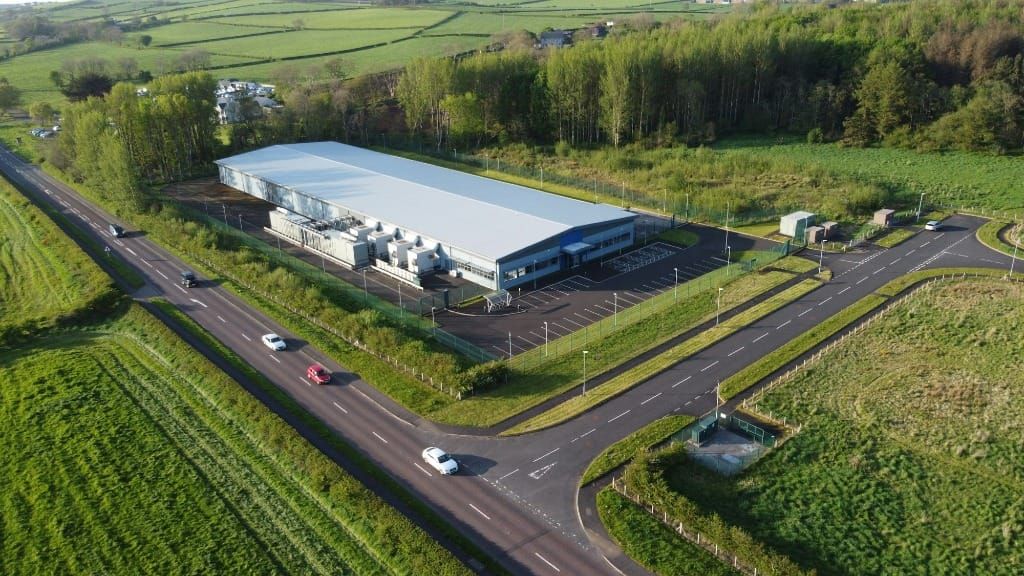
Ray flagged a newer tension reshaping deployment economics: Hyperscaler data center buildouts competing directly with broadband providers for materials, labor and rights-of-way.
"We have actually found ourselves in permitting competition with hyperscalers who are building fiber to data centers," he said, noting that material orders are now being requested as far out as the third and fourth quarters of 2027.
Khemakhem pushed back on the perception that hyperscale facilities dominate the conversation. "Data centers are not all hyperscale data centers," he said, pointing to edge and micro data centers as part of the long-term solution to power, cooling and fiber density challenges.
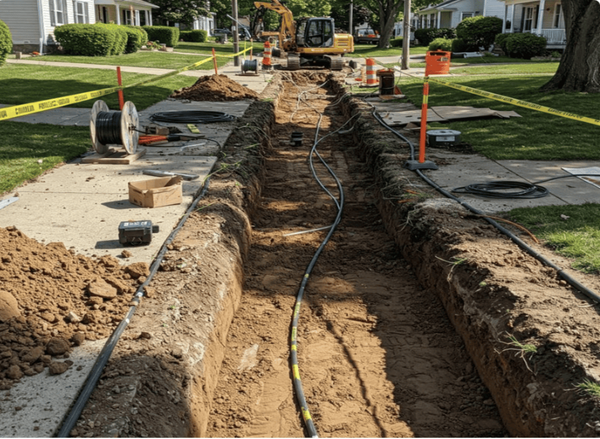
Panelists agreed that pole attachments and right-of-way coordination remain among the most persistent bottlenecks, with local permitting authority often outweighing federal guidance. Denman said inaccurate as-builts and missing records in rural communities continue to slow deployments and create safety risks during construction.