
Fiona Beck: Creating a Red Carpet, Not Red Tape, for Subsea Cables
Bermuda has become a model for subsea cable investment by streamlining its permitting process to just 70 business days.

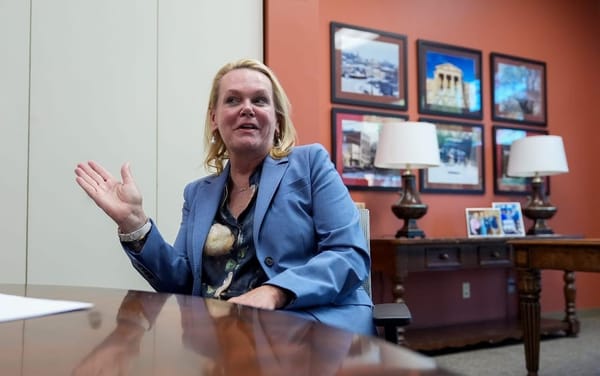
Fiona Beck

Subsea cables are the critical digital infrastructure backbone of the global economy. From cloud computing and financial services to content delivery and emerging AI workloads, nearly every digital interaction depends on resilient, well-routed subsea systems.
Taking part in the buildup of this infrastructure can be a massive opportunity for jurisdictions around the world, but for those hoping to attract new cable landings, the challenge is not whether to regulate the process, but how to do so effectively. Protecting natural resources is important, and the jurisdiction of Bermuda has found a way to respect those protections while paving the way for the economic opportunities that come from strategic collaboration and regulation with hyperscalers.
Thankfully, more of these practices are being put in place, helping advance the industry amidst a high growth period – a key Atlantic digital hub, Bermuda, has crafted a regulatory blueprint for a promising and effective path forward.
The cost of friction in a capital-intensive industry
Subsea cable projects are among the most capital-and-time-intensive infrastructure investments in the world and with their importance only growing, there is less and less room for delay or error. Hyperscalers and cable landing sites must coordinate marine surveys, environmental assessments, international permits, financing and construction schedules that span multiple continents. When obstacles come up during the permit process, with opaque, duplicative or unpredictable regulations, it can encourage those parties to bring their capital investments elsewhere.
That friction often arises not from environmental or community safeguards themselves, but from a lack of regulatory clarity. Unclear guidelines on how to get required permits, for instance, can add months or even years to a project. In a competitive global landscape, that uncertainty can be the deciding factor for a project. On the flipside, jurisdictions that streamline approvals without compromising those standards send a powerful signal: digital infrastructure is understood, valued and welcome.
A blueprint for 'cable-ready' regulation
Bermuda provides a clear blueprint for what this cable-friendly regulatory environment can look like. The jurisdiction is emerging as a global cable powerhouse, already attracting massive installations from Google, with cables Nuvem and Sol already being put in place, with more potentially on the way. That has come through as a result of a friendly regulatory environment that has made it a favorable environment for investments and efficient implementation.
For instance, Bermuda has a structured permitting process to channel marine-works and terrestrial permitting through defined corridors and pre-screened sites to reduce ecological impacts and advance necessary approvals. That process typically only spans 70 business days, with other jurisdictions typically taking around a year, providing businesses a faster turnaround time for approvals and the chance to activate their cables sooner.
The island also offers robust fiber backhaul options to densely populated and business centers, resilient grids and local security and regulatory regimes used by international infrastructure investors. In total, it lays out an example of how jurisdictions around the world can become a welcoming, safe and attractive geographical asset for industry growth and subsea cable investments.
Establishing a process for industry advantage
The global demand for connectivity is only growing. New routes, new landing points and new paths for cables are being planned around the world as more connections are needed to keep the global economy surging and on pace with required digital infrastructure. Jurisdictions that modernize their regulatory approaches will win out in attracting these projects and, ultimately, in bolstering their regional economies.
Creating a red carpet that welcomes new development in the industry, rather than the red tape that often ties the process down in bureaucracy, doesn’t mean rushing approvals or overlooking environmental impact but rather designing smart and efficient systems that recognize the strategic value of subsea cables. Encouraging its growth can bring new opportunities not only for regional economies hosting that infrastructure, but for the advancement of the entire global industry.
Fiona Beck has a focus on strategic solutions, communications and IT development, risk analysis, along with sustainability and governance practices. Ms Beck is currently an Independent Director on various Investment, Technology, and Infrastructure Boards and serves on Audit/Risk and People/Remuneration committees of those publicly listed companies. Ms Beck is an advisor to Google on their Bermuda subsea cable strategy. This Expert Opinion is exclusive to Broadband Breakfast.
Broadband Breakfast accepts commentary from informed observers of the broadband scene. Please send pieces to commentary@breakfast.media. The views expressed in Expert Opinion pieces do not necessarily reflect the views of Broadband Breakfast and Breakfast Media LLC.






Member discussion