FTC Moves to Crack Down on Hidden, Unfair Rental Fees and Perhaps Bulk Billing
FCC Chairman Brendan Carr last year said a Biden-era ban on bulk billing would have sent internet bills soaring for renters.

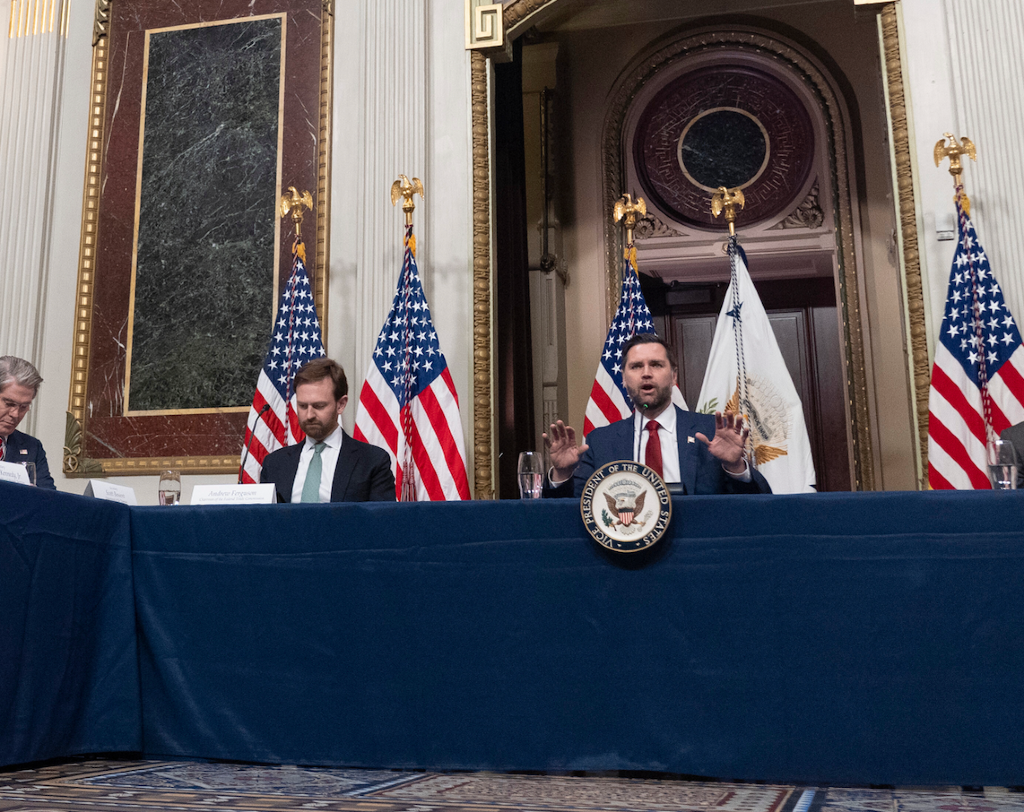
WASHINGTON, April 14, 2026 – The Federal Communications Commission killed a ban on bulk billing for internet service provided to renters in apartment buildings. The Federal Trade Commission (FTC), a sister agency, might revive the idea.
The FTC is worried about potentially unfair and deceptive rental fees in housing, especially those that are hidden or bundled.
FTC Chairman Andrew Ferguson opened an Advance Notice of Proposed Rulemaking (ANPRM) and sought public comment on fees that residents are charged throughout the rental process. The FTC will also look at designated or mandatory service providers and plans, including cable and internet companies that tenants do not use.

The FTC is also concerned about adding fees late in the leasing process, “advertising rent that fails to include all mandatory fees or charges, imposing fees and charges without express informed consent, and misleading consumers about the nature and purpose of fees or charges.”
The ANPRM public comment period closed Monday to more than 1,500 comments from trade associations and individuals weighing in on the hidden or misleading housing rental fees — often called “junk fees.”
NCTA - The Internet & Television Association argued in comments that bulk billing for internet and cable in apartment buildings was beneficial and should not be restricted by the FTC, because it lowers costs by 50 percent, improves service, helps low-income renters, and increases competition for providers.
“Any FTC regulation of these arrangements likely would produce little benefit to consumers and would jeopardize the continued use of arrangements that have produced lower rates for millions of renters,” said NCTA Vice President and Associate General Counsel Pamela Arluk.
NCTA said FTC intervention would discourage bulk billing and said the agency should not interfere, especially when the Federal Communications Commission has long approved bulk billing and already oversees competition and transparency — ensuring that “there is no need for FTC action in this area.”
The FCC previously examined bulk billing under President Joe Biden, but FCC Chairman Brendan Carr ended that inquiry in January 2025, claiming that banning bulk billing would raise internet prices for millions of renters. In a January 2025 statement, he said this was a “step in the right direction by ending the FCC’s consideration of a Biden-era plan that would have artificially raised the cost of Internet service.”
Similar to the NCTA, the Bulk Broadband Alliance, a group that includes smaller ISPs, urged the FTC not to regulate bulk billing arrangements in rental housing, arguing that these programs lower broadband costs by more than 50 percent and increase service quality for tenants. The group said there is insufficient evidence of widespread consumer harm and warned against overly broad rental-fee disclosure rules.
“We are not alone in concluding that bulk billing arrangements are pro-consumer, make rental housing more affordable, and should not be regulated,” the Bulk Broadband Alliance said.
The National Federation of Independent Business (NFIB) urged the agency to abandon the rulemaking process entirely, claiming rental fee regulation should be controlled by states. The NFIB said the FTC has not demonstrated that deceptive or unfair rental fee practices are “prevalent,” but instead, cited a small number of enforcement cases.
However, a bipartisan coalition of 27 state attorneys general said it has been difficult to enact state regulations, and supported the FTC’s effort to move forward with a federal rule to address unfair and deceptive rental practices. The attorneys general said renters across the country face “bait-and-switch” pricing, where advertised listings are low and mandatory fees are hidden. The coalition said many states are actively trying to fix the problem through disclosure requirements and enforcement against landlords, but there is no consistent national standard of tenant protections.