FTC’s Mark Meador Takes a Few Jabs at Lina Khan
Meador accused the former FTC chair of putting personal and political priorities ahead of the agency’s competition mission


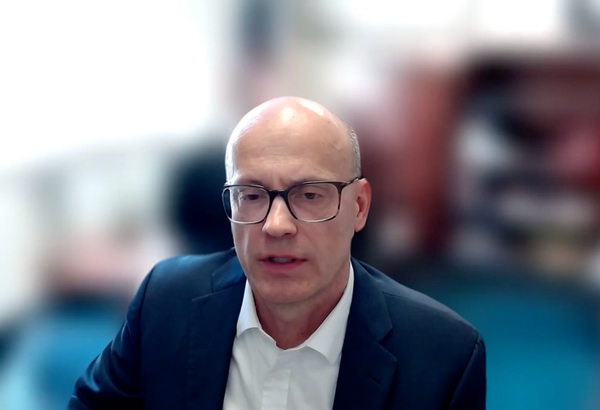
WASHINGTON, Sept. 21, 2026 – FTC Commissioner Mark Meador strongly criticized former FTC Chair Lina Khan, accusing her of turning the agency into a personal platform and prioritizing political headlines over its core enforcement mission.
Speaking Sept. 14, Meador said Khan’s tenure from 2021-2025 under Biden’s appointment illustrated what he views as broader problems with the FTC’s traditional model of independence. He accused Khan of “subordinating its mission to her own ambitions” and said her management of the agency’s resources and investigative functions came at the expense of its competition mission.

Meador’s comments came as he laid out his view of the FTC’s future following the Supreme Court’s decision in Trump v. Slaughter. The ruling rejected the statutory restriction on the president’s ability to remove FTC commissioners, a decision Meador said effectively ended the agency’s traditional claim to independence from presidential control.
He argued that the FTC had spent too much time defending its institutional independence rather than developing its authority under Section 5 of the FTC Act, which prohibits “unfair methods of competition.” Meador said that focus contributed to a competition program that increasingly resembled the Justice Department’s Antitrust Division.
“The cost of this approach was a tendency of leadership to favor matters presenting comparatively clear paths to victory over cutting edge enforcement challenges,” Meador said. He argued that the agency consequently failed to develop clearer guidance about when competitive practices violate Section 5.
Meador said the FTC should instead use Section 5 to address evolving market practices and difficult competition questions, allowing enforcement cases to establish clearer rules for businesses and courts.
He also called for greater use of the agency’s authority to study markets and industries. Section 6 allows the FTC to conduct industry-wide inquiries, compel information and publish findings, while Meador said the agency can also assist courts and other enforcers with its competition expertise.
Meador pointed to the FTC’s historical research as evidence of the agency’s potential influence beyond individual enforcement cases. Between 1918 and 1998, he said, FTC investigations and studies helped spur at least 15 acts of Congress, including the Securities Act, Robinson-Patman Act, Celler-Kefauver amendments and Children’s Online Privacy Protection Act.
“Independent” became an excuse for incompetence,” Meador said of the agency’s past approach.
He argued that the post-Slaughter FTC should embrace presidential accountability while returning its attention to the competition mission Congress assigned it.