
GOP Sen. Wicker Wants States to Keep BEAD Non-deployment Funds
Louisiana Gov. Jeff Landry and West Virginia Sen. Shelley Moore Capito, also Republicans, also want the funding.

WASHINGTON, Sept. 23, 2025 – Another Republican Senator is saying he wants his state to hang on to all the money it was allocated under the $42.45 billion Broadband Equity, Access, and Deployment program.
The Trump administration, which has pushed state broadband offices to drive down deployment spending, does not appear eager to see much of the savings spent. The Commerce Department in June rescinded approval for all “non-deployment” activities, including some already underway, and said more guidance would come later.
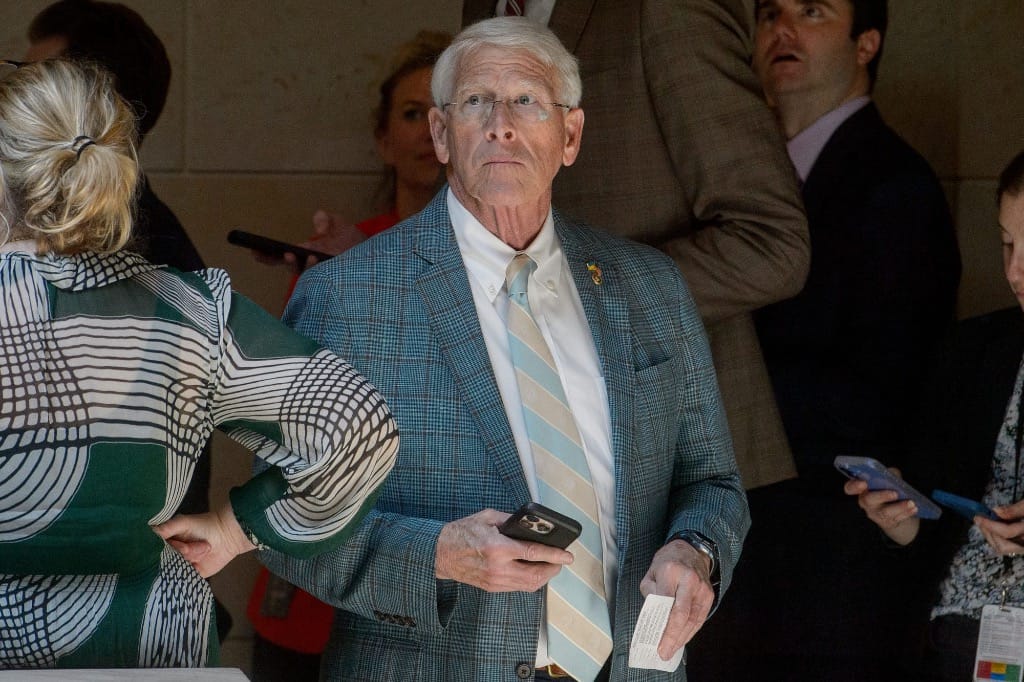
“Congress was clear: States can use this remaining grant money,” Sen. Roger Wicker, R-Miss., said in a Monday constituent email. “That policy rewards those who wisely stewarded their deployment funds. It could also help states maximize the impact of the 2021 law – if we direct the funds wisely.”
States had been planning under the Biden administration on funding things like broadband adoption efforts and workforce development with their leftover BEAD money, and are not eager to lose out on that funding.
Based on tentative BEAD awards, not yet approved by Commerce, there would be hundreds of millions in non-deployment funding in certain states and more than $17 billion among all 45 states to have reported their draft results.
Louisiana
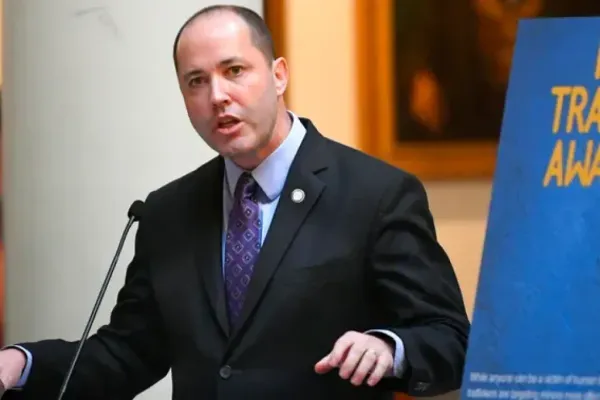
Louisiana Gov. Jeff Landry, also a Republican, proposed in a Sept. 8 letter allowing states to keep that extra money, provided they spend it on boosting AI infrastructure or certain “America First” policies. He defined those as efforts ““focused on investing in education, training the workforce, and growing our industries,” which has at least some overlap with what states had already wanted to do.
Wicker endorsed something similar in his email Monday, and said other senators wanted the money spent by states rather than returned to the Treasury.
“I, along with my Senate colleagues, have been discussing how to make sure these leftover funds are spent effectively,” the email said. “I believe we should allow states to spend these funds on projects that modernize public safety and national security tools. We should also allow states to invest in the skilled workforce training necessary for emerging technologies – especially as the world rapidly adopts artificial intelligence (AI) in defense, healthcare, business, and education.”
West Virginia
Sen. Shelley Moore Capito, R-W. Va., has also said publicly she’ll fight to keep West Virginia’s entire BEAD allocation.
“I’m going to hold the Trump administration’s feet to the fire,” she said on a Sept. 10 local radio show. “This is what we were promised, this is what we should get.”
Capito’s state would have nearly $590 million in Non-deployment funding based on its tentative BEAD awards. Wicker’s would have more than $636 million and Landry’s would have more than $857 million.
Landry had pushed for new guidance on Oct. 1, with a Dec. 1 deadline to submit new plans for non-deployment money.
Last month, ten House Democrats sent Commerce Secretary Howard Lutnick a letter urging him to provide more guidance and not claw back the funding, but additional pressure from Republican lawmakers would probably be necessary to move the needle, according to New Street Research policy advisor Blair Levin.
“We expect most, if not all, of the governors to support Landry’s position; they might not agree with the limits he proposes but they would all prefer to spend the money in their state rather than return the funds to the Treasury,” he wrote in a research note earlier this month. “If enough Republican Governors and members of Congress weigh in supporting the Landry plan, we think the odds favor Lutnick agreeing to its terms.”



Member discussion