
House Panel Pushes GOP-Led Broadband Permitting Package
Twenty-nine-bill slate would impose shot clocks and narrow environmental reviews to speed broadband deployment.

Jericho Casper
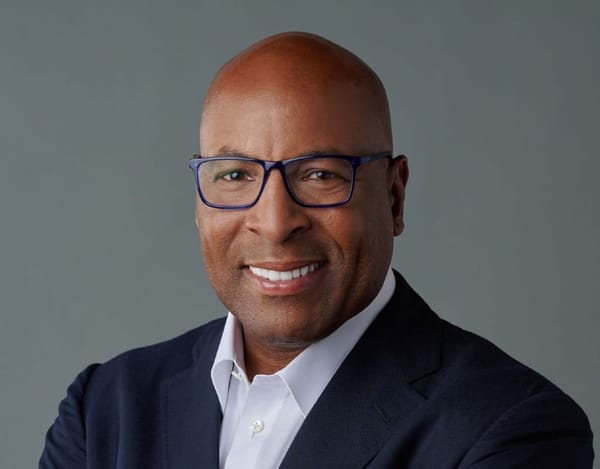
WASHINGTON, Sept. 19, 2025 – It can take more than three years to repair a single fiber line on federal lands, USTelecom CEO Jonathan Spalter told House lawmakers Thursday.
His warning set the tone for a partisan House Communications and Technology Subcommittee hearing on how to streamline broadband permitting as states prepare to deploy billions in Broadband Equity, Access and Deployment program funds.
Republicans cast permitting as the single biggest choke point for new fiber and wireless builds; Democrats said the real holdup was the administration’s BEAD overhaul and warned the GOP bills proposed to streamline permitting would gut environmental, tribal and local safeguards.
Out of the 29 broadband permitting bills on the Sept. 18 hearing agenda, 26 were sponsored by Republicans, while just three had bipartisan co-sponsors.
Industry leaned in behind a handful of specific measures. USTelecom’s Spalter and INCOMPAS’ Staci Pies singled out the Broadband and Telecommunications RAIL Act, sponsored by Rep. John Joyce, R-Pa., which would create a path for the Federal Communications Commission to step in on railroad-crossing delays.
Spalter backed SPEED for Broadband Infrastructure Act, from Rep. Dan Goldman, D-N.Y., to streamline National Environmental Policy Act and National Historic Preservation Act review for substantially similar upgrades or where federal easements already exist while preserving local zoning authority.
Rep. H. Morgan Griffith’s, R-Va., BROADBAND Leadership Act, to impose shot clocks on state and local approvals; and Rep. Jay Obernolte’s, R-Calif., GRANTED Act of 2025 to require agencies to flag deficiencies within 30 days or let projects advance, also drew support.
“Our members have just four short years to build and deliver [on BEAD],” Spalter said. “Permits are the biggest barriers to hitting these important marks.”
Meanwhile, Democrats brawled over BEAD’s redesign, the dispute between FCC Chairman Brendan Carr and ABC comic Jimmy Kimmel, and how far Congress should go in trimming NEPA and NHPA reviews.
Rep. Yvette Clarke, D-N.Y., said most of the bill package “does not address the real barriers” and amounted to “attacks on important environmental protection.” Other bills being considered, she said, “would needlessly and wrongly undermine local, state and tribal governments.”
Rep. Raul Ruiz, D-Calif., also argued the bills would bypass tribal processes, “basically giving companies blank checks to go in without consent.” He also called for an FCC oversight hearing tied to the Carr-Kimmel controversy.
While no votes were taken at Thursday’s hearing, Republicans signaled they may bundle pieces into a subcommittee markup as soon as this fall before sending a package to the full House Energy and Commerce committee.
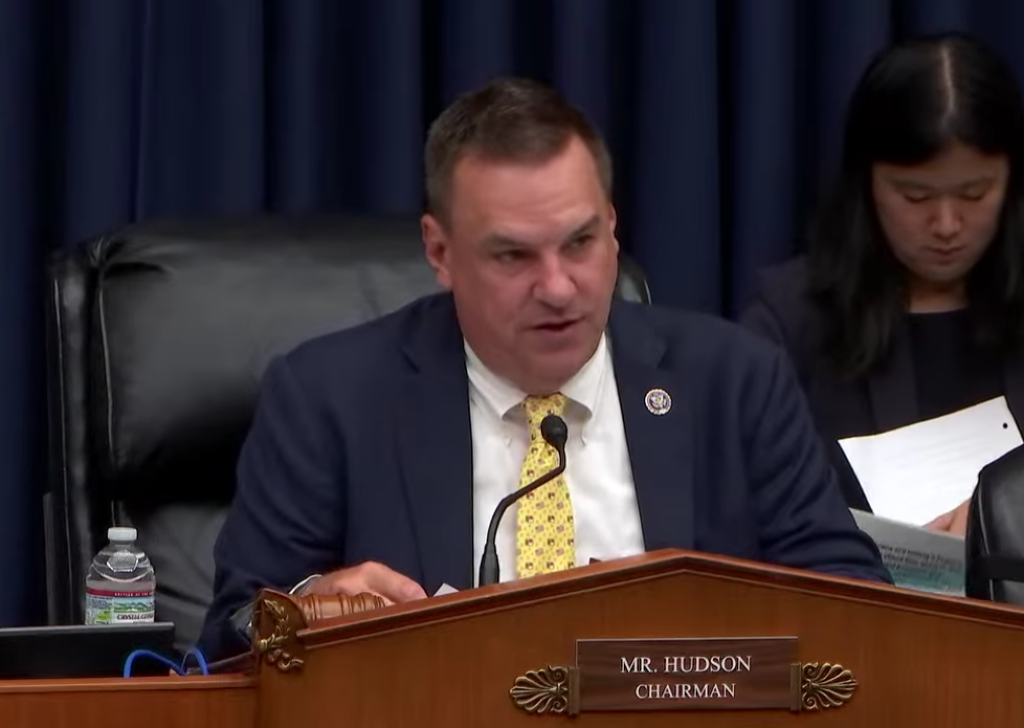
“Unless we streamline the permitting process, all of the money we have dedicated to deployment will be tied up in burdensome reviews resulting in more unnecessary delays, forcing millions of Americans to continue to wait for connectivity,” said House Communications and Technology Subcommittee Chairman Richard Hudson, R-N.C. “I hope we can pass those bills into law this Congress.”




Member discussion