Illinois Bill Seeks Broadband Price Caps for Low-Income Customers
The bill would direct the Illinois Commerce Commission to set broadband price protections for low-income residents.
Sergio Romero
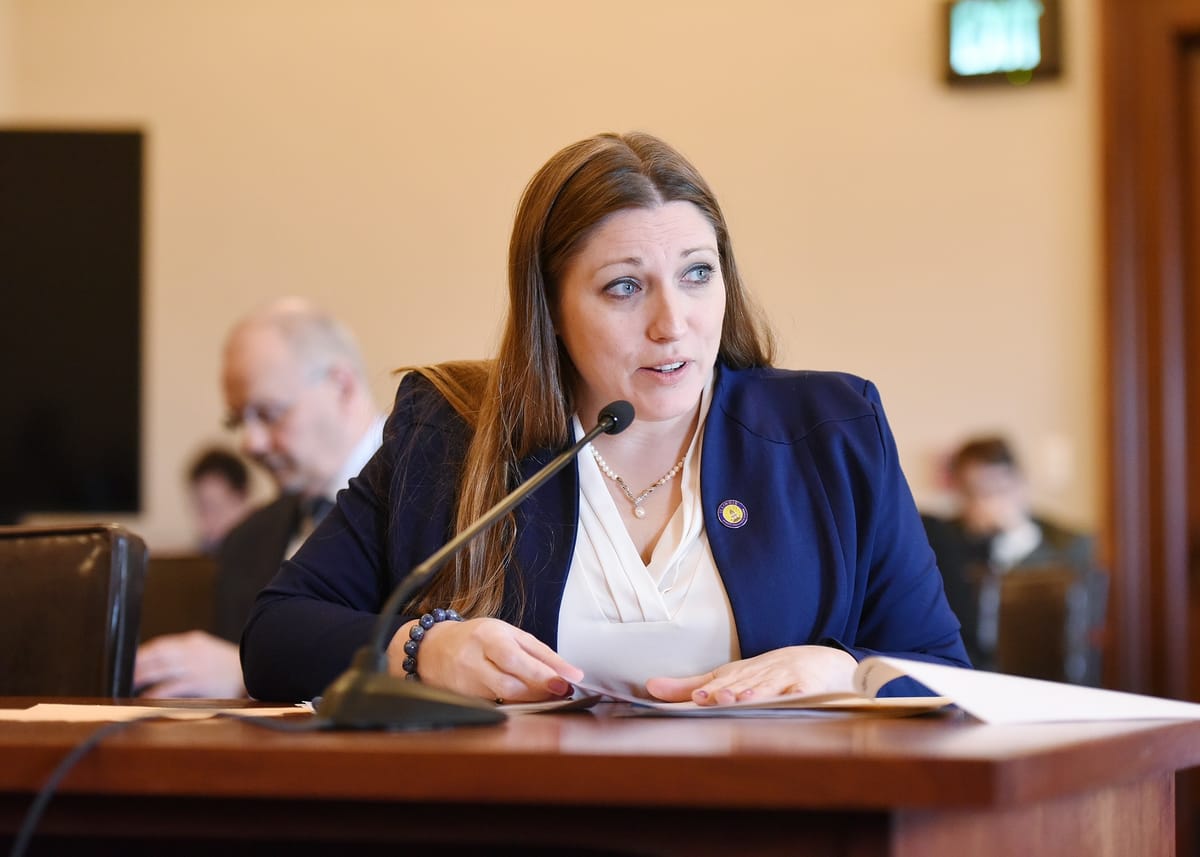
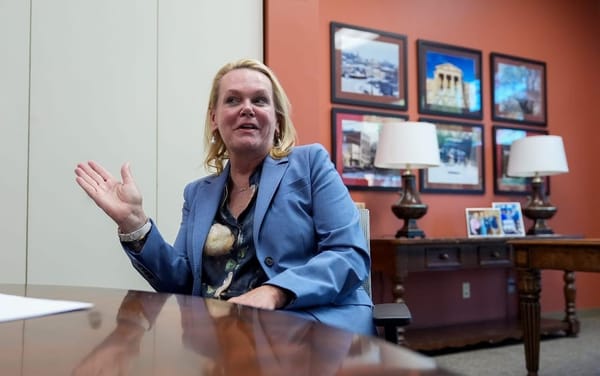
WASHINGTON, Feb. 17, 2026 – lllinois State Sen. Rachel Ventura, D-Joliet, has introduced legislation directing regulators to set broadband price protections for low-income residents, though the bill text leaves key details to be determined later.
The measure joins those in other states, including Connecticut, Maryland, and Minnesota, that have introduced measures aimed at capping broadband prices for qualifying households
Ventura said Senate Bill 3612 would require providers to offer broadband at “a minimum broadband download speed of 25 Megabits per second (Mbps) for no more than $15 per month and $20 per month for high-speed service of at least 200 Mbps per second, including all recurring taxes and equipment fees,” she said in a Feb. 9 press release.
But the bill itself does not reference specific price points or speed tiers. Instead, it directs the Illinois Commerce Commission to establish rules requiring broadband providers to offer “affordable rates” for low-income customers beginning Jan. 1, 2027. The commission would be tasked with setting minimum service speeds and a maximum low-income rate through rulemaking.
The measure would amend the state’s Public Utilities Act and marks a notable step toward state-level oversight of broadband pricing, particularly following the lapse of the federal Affordable Connectivity Program last year.
Framed in response to affordability challenges
Ventura framed the proposal as a response to affordability challenges. “We’ve entered a new age where broadband is no longer a luxury, but an essential amenity,” she said, citing its role in economic development, education, and health care.
Supporters emphasized cost as a persistent barrier. Drew Garner of the Benton Institute for Broadband and Society said surveys show 17 percent of Illinois residents struggle to pay monthly internet bills or cut service because of cost. “Internet service is essential for modern life, so we should make sure everyone can afford it,” he said.
Ventura also introduced Senate Bill 3613, which would expand authority for electric and telephone cooperatives to analyze local markets and build broadband networks, part of a broader trend in states encouraging co-op-led deployment.
If enacted, SB 3612 would place Illinois among a small but growing group of states exploring broadband affordability mandates in the absence of a federal subsidy.
Several states have moved to regulate broadband affordability for low-income households. New York’s 2021 Affordable Broadband Act requires providers to offer a $15 per month plan at 25 Mbps, and a federal court upheld the law in 2024, finding it was not preempted by federal law.
Massachusetts and Vermont have introduced similar proposals, with Vermont’s bill mirroring New York’s $15 for 25 Mbps and $20 for 200 Mbps framework. California has also considered legislation, including AB 353, mandating discounted high-speed plans for eligible residents.
Other states, including Connecticut, Maryland, and Minnesota, have introduced measures aimed at capping broadband prices for qualifying households. These efforts gained momentum after the expiration of the federal Affordable Connectivity Program, reflecting a broader shift toward treating broadband as an essential service subject to state-level affordability mandates.

Member discussion