
Internet Caucus-Affiliated Org Previews Tech Policy in Congress
A panel of policy experts said there could be movement on areas of bipartisan consensus

Eric Urbach
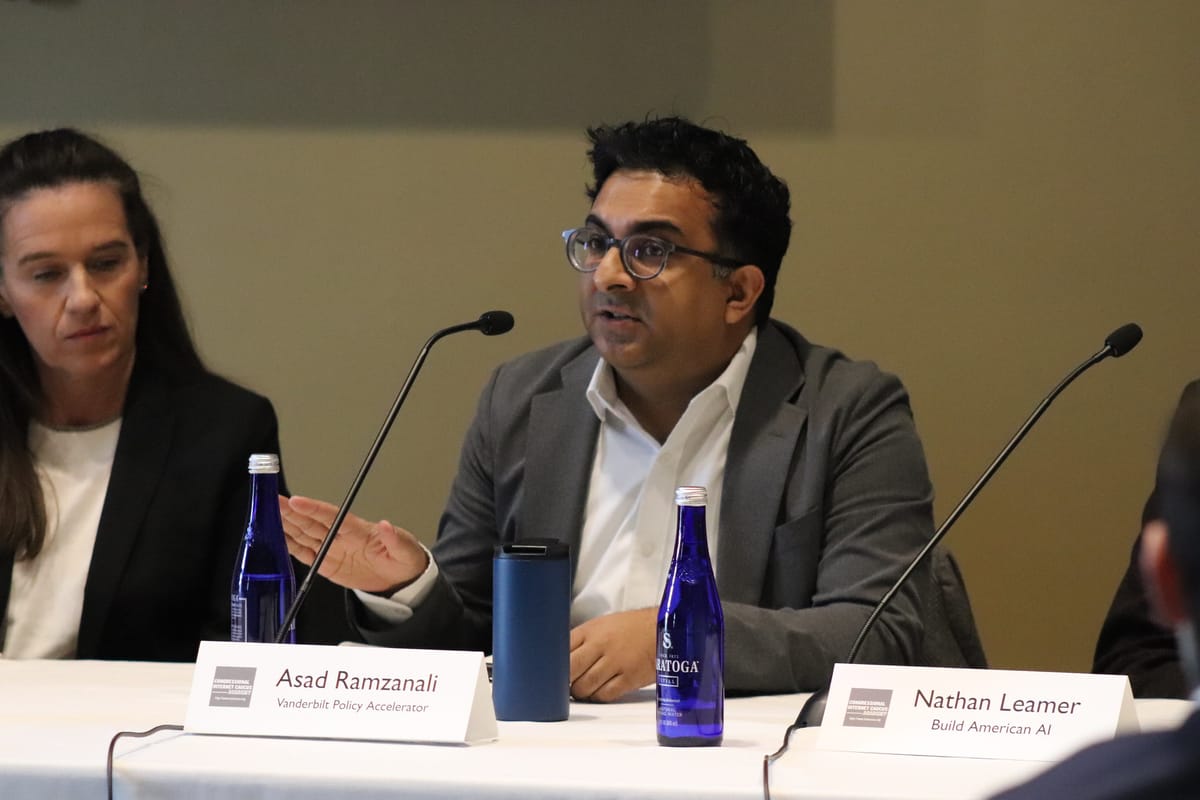
WASHINGTON, Jan. 28, 2026 – The preemption of state AI laws and kids online safety and deepfake issues are expected to be closely scrutinized this year by Congress.
That was the message Wednesday at the Congressional Internet Caucus Academy, an educational program of the Internet Education Foundation, the non-profit group affiliated with the bipartisan Congressional Internet Caucus. The foundation also hosts the annual “State of the Net” event, scheduled for Feb. 9.
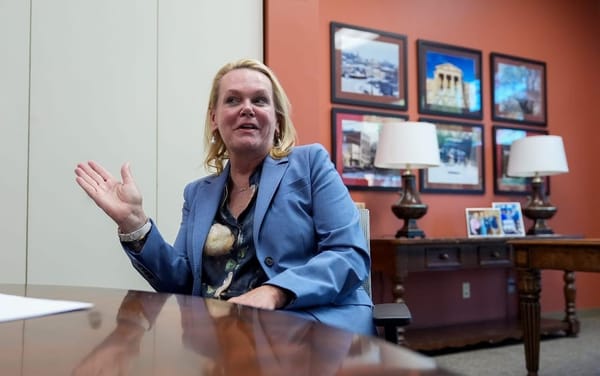
“We are experiencing a tremendous amount of innovation; technology is evolving faster than it ever has evolved,” said Amy Bos, vice president of government affairs for Net Choice, which advocates against government intervention in social media. “But, we’re also in a moment of legislative hyperactivity. Tons of bills have been introduced across states and the federal government.”
Tension around preemption
The Trump administration’s executive order conditioning federal broadband funding on states not having “onerous” laws restricting AI has states worried, said Asad Ramzanali. He directs AI and technology policy at the Vanderbilt Policy Accelerator, a research center at the university.
Colorado has threatened to sue over the executive order, which may not stand up in court.
“I think it tracks in some ways with it being an election year,” said Ramzanali. “This creates a dynamic that if the states are worried, [it] creates an opportunity for Congress to act. But it's not clear to me that the politics align in a way that [moves toward] action.”
Bos highlighted tension between states and the Congress over AI preemption. But she urged Congress to step in and set national policy instead of having 50 states with different rules.
Child safety legislation
Bos also noted that child safety online is the largest carryover from last year, and one that could see movement. The main vehicle is the “Kids Online Safety Act” introduced by Sen. Marsha Blackburn, R-Tenn., which also has a House counterpart.
Nathan Leamer, CEO of Build American AI and an aide to former Federal Communications Commission Chairman Ajit Pai (R), said there are an additional 12 House bills aimed at tackling online child safety concerns including screen time and age verification.
These bills are spurring a holistic discussion over AI and social media policy, Leamer said.
Ramzanali agreed: “You’re starting to see what solutions could look like.”
Another bipartisan bill under discussion is the “Kids Off Social Media Act” introduced by Sens. Ted Cruz, R-Texas, and Brian Schantz, D-Hawaii. This bill sets a minimum age of 13 for children to access social media and requires companies to remove algorithmic feeds for children under 17.
Section 230 is unlikely to change
One area of bipartisan consensus that the panel highlighted: Movement to reform Section 230 of the Communications Act is unlikely. Section 230 provides immunity against user-generated content posted on social media.
In spite of momentum behind the “Sunset Sec. 230 Act” by Sens. Lindsey Graham, R-S.C., and Dick Durban, D-Ill., panelists agreed that there isn’t a clear consensus on what reforms would actually look like.
“There is an argument to be made that Section 230 is more important than ever,” Bos said. "There's more user-generated content than ever before. I think without it, what you would see on the internet would look very different,” Bos said.




Member discussion