Judge Won’t Pause Suit Over Trump’s $2.75B Digital Equity Act Cuts
National Digital Inclusion Alliance failed to show overlap with separate case, D.C. Circuit orders

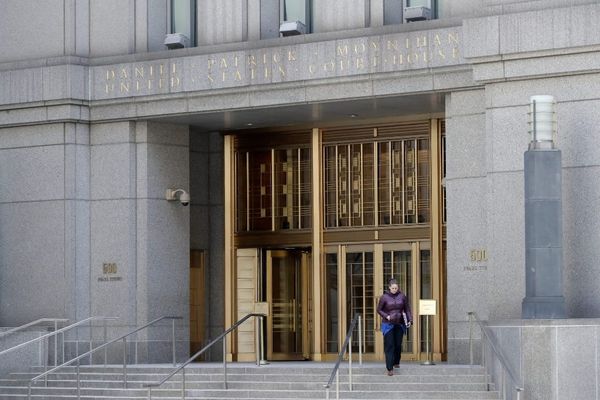
WASHINGTON, April 14, 2026 – A D.C. federal judge declined Monday to pause litigation over the Trump administration's termination of up to $2.75 billion in digital literacy and upskilling grants, rejecting arguments that a parallel case could clarify key legal issues.
The plaintiff representing affected grantees, the National Digital Inclusion Alliance moved on March 25 to stay the case, contending that a forthcoming decision in Climate United Fund v. Citibank could resolve overlapping jurisdictional questions and help avoid duplicative litigation. The court disagreed, finding the cases materially distinct.
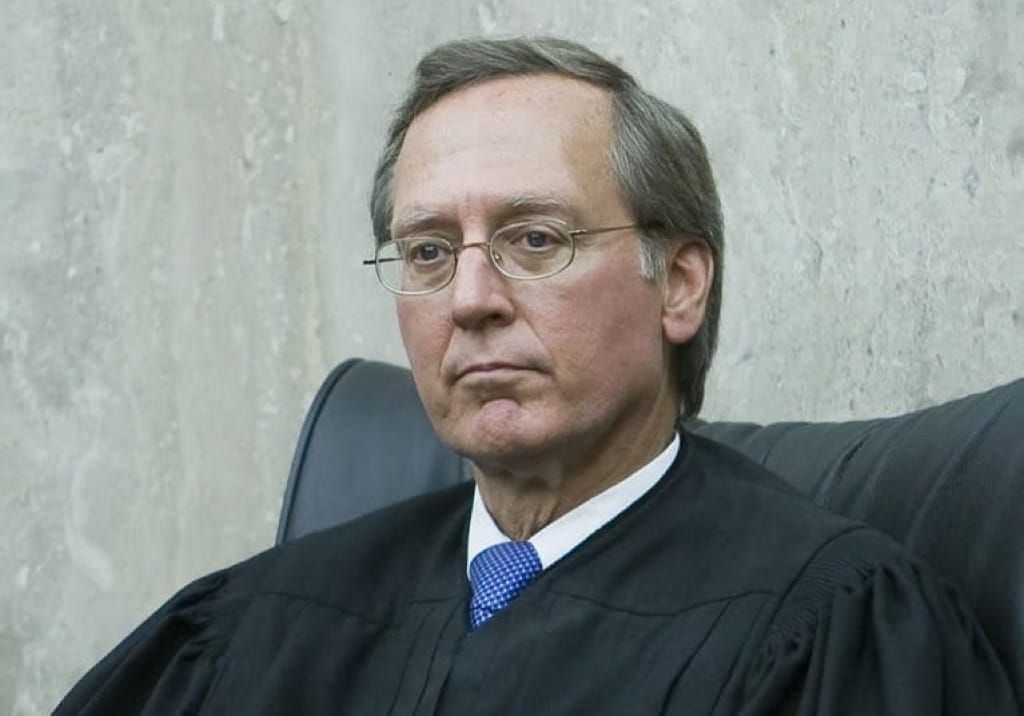
In an order issued Monday, U.S. District Judge John Bates wrote, “This Court is unconvinced that a stay is warranted,” adding that NDIA had “failed to show that the jurisdictional issues presented in this case necessarily overlap” with those in Climate United.

The case in the U.S. District Court for the District of Columbia was brought by NDIA in October, after the Trump administration suspended funding under the $2.75 billion Digital Equity Act last May, characterizing the program as an “unconstitutional” and “woke handout.”
NDIA was among 65 organizations the National Telecommunications and Information Administration recommended for funding before the administration halted the program, which had drawn more than 700 applications nationwide.
Enacted as part of the Infrastructure Investment and Jobs Act, the Digital Equity Act established and funded three separate grant programs: a $1.25 billion competitive grant program for nonprofits and local partners; a $1.44 billion capacity grant program for states, territories, and Native entities; and a $60 million planning grant program to help governments develop digital equity strategies.
The Commerce Department has indicated it plans to cancel the competitive and capacity programs, though it remains unclear whether it will attempt to claw back funds already distributed under the planning program. All states have completed digital equity plans, and many had begun implementation using capacity grant funding prior to the suspension.
President Donald Trump and senior officials at the Commerce Department, who are being challenged in the suit, filed a motion to dismiss the case on March 9, citing unconstitutionality of aspects of the Digital Equity Act and improper court jurisdiction, among other reasons.
National Digital Inclusion Alliance’s response to the government’s motion to dismiss is due May 4, with the government’s reply due May 25.
Bates, a senior judge on the federal District Court, was appointed to the bench by President George W. Bush. Judges with senior status hear cases less frequently than those without such status, but otherwise have the same rank and responsibility and non-senior judges.