Lawmakers Want FCC, NTIA to Protect Wi-Fi at WRC
House members expect China to try to ‘undermine continued international support for unlicensed use of the 6 GHz band’

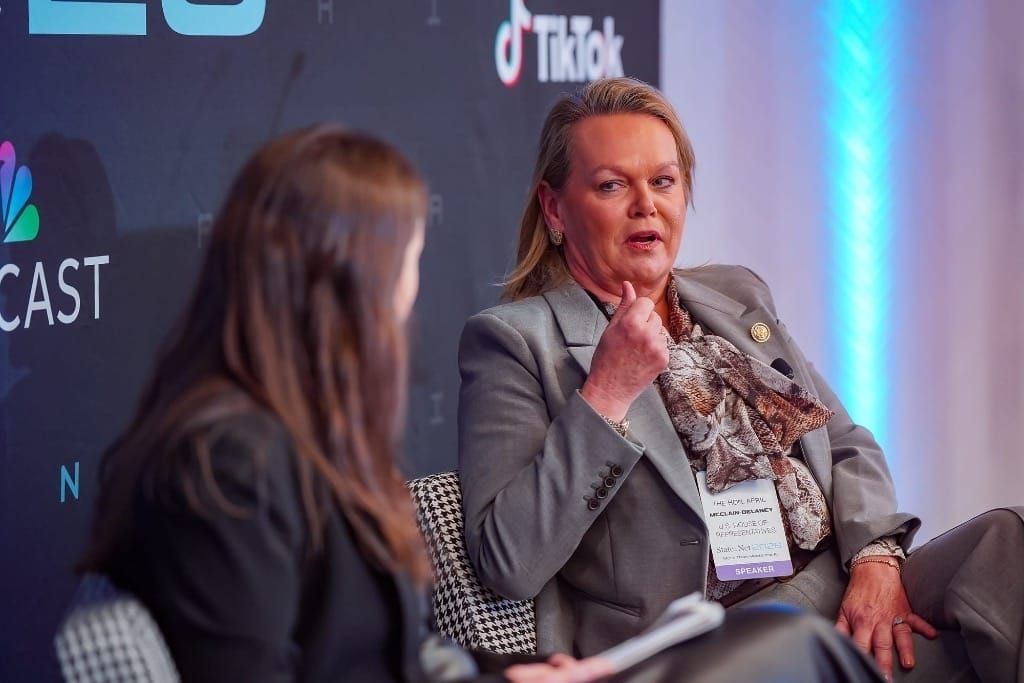
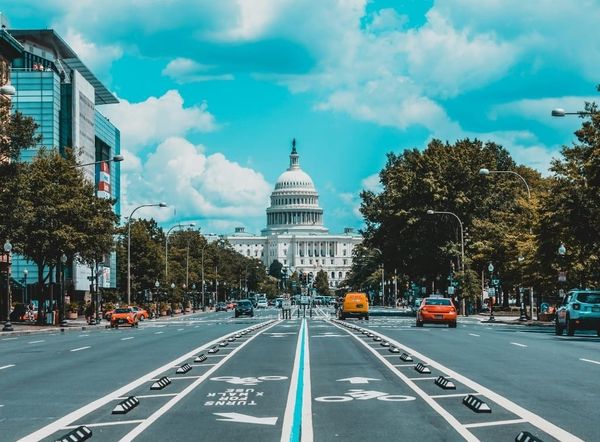
WASHINGTON, July 30, 2026 – A bipartisan group of 19 lawmakers want U.S. telecom regulators to protect Wi-Fi spectrum at next year’s global spectrum management conference.
The lawmakers, led by Rep. April McClain Delaney, D-Md., said they were “particularly concerned” about China’s desire to “expand or normalize” mobile use in the 6 GigaHertz (GHz) band.

“We expect the PRC [People’s Republic of China] to seek revisions to the World Radiocommunication Conference 2023 resolutions that would undermine continued international support for unlicensed use of the 6 GHz band,” they wrote.
The House members asked for updates from the Federal Communications Commission and National Telecommunications and Information Administration on how the agencies were preparing for WRC-27. The conference will be hosted in Shanghai, China.
The agencies should be planning to build international consensus on defending unlicensed use in the 6 GHz band, the representatives said. Especially in the Americas, and “including Mexico and Brazil, both of whom have previously taken some degree of alignment with the PRC on issues related to the 6 GHz band.”
The letter was signed by 14 Democrats and 5 Republicans. McClain Delaney is a former deputy administrator at NTIA.
In the U.S., 6 GHz is entirely allocated for unlicensed Wi-Fi devices. China uses the spectrum for licensed mobile use, and the European Union has opted for mostly licensed mobile as well.
The United Kingdom’s telecom regulator put forward a plan earlier this year to share the spectrum between Wi-Fi and mobile.
There isn’t a specific agenda item on 6 GHz for WRC-27, and not a lot of precedent for getting something done without one. But hosting the conference confers some advantages in terms of getting one’s priorities across the finish line, experts have said, and some stakeholders want the U.S. to push for its own priorities outside the agenda.
That would involve making satellite spectrum sharing rules more friendly to low-Earth orbit systems. Ruth Pritchard Kelly, a professor of telecom law at the Universities of Nebraska and Mississippi and former legal advisor at SES and Eutelsat, said earlier this month that China might actually be on board with that.
The change would benefit American companies, but China is also launching its own massive LEO constellations, she noted.
U.S. agencies’ preparations for WRC-27 are ongoing. In May, NTIA convened regulators from more than 20 African countries to advocate for the U.S.’s favored satellite policies.
Most of WRC-27 will deal with satellite issues, something important for the U.S. since domestic rocket company SpaceX dominates the LEO market, and other American firms are looking to compete.
More draft proposals for WRC items are due from the NTIA and working groups to the FCC in September. The U.S. is planning to finalize its positions and put forward those plans at the next meeting of North and South American telecom regulators in November.
There’s still some disagreement to be worked out, especially on an item related to mobile use in the 7 GHz band. Unlicensed interests want the U.S. not to advocate for mobile use in the band, while the carriers want exactly that. The White House also supports tapping the band for 5G.
Also in November is the International Telecommunication Union’s plenipotentiary conference, where countries will vote for ITU representatives. ITU oversees WRC and global spectrum regulation.
The U.S. wants to re-elect American Doreen Bogdan-Martin as ITU secretary-general.