Lawmakers Warn Digital Trade Rules Will Shape U.S. AI Leadership
Lawmakers targeted foreign digital services taxes, data localization mandates, and weakened patent enforcement

Sergio Romero
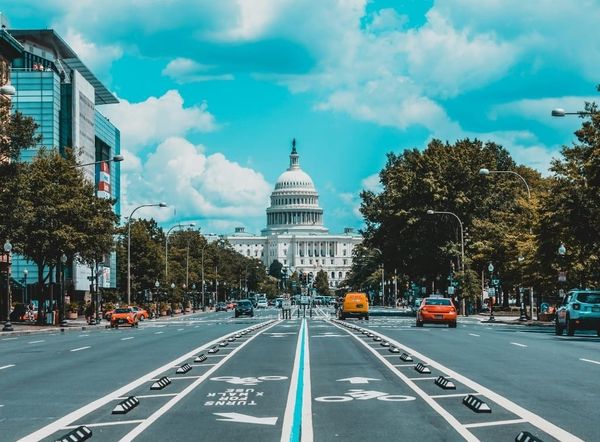
WASHINGTON, Jan. 14, 2026 – As artificial intelligence, cloud computing, and digital services increasingly rely on fiber networks and data centers, lawmakers warned Tuesday that U.S. technology leadership is being challenged by foreign trade barriers and weakening intellectual property protections.
At a House Ways and Means Committee hearing on “Maintaining American Innovation and Technology Leadership,” lawmakers and industry experts cautioned that foreign regulations, including digital services taxes, data localization mandates, and weakened patent enforcement, threaten the fiber and cloud infrastructure that supports U.S. dominance in AI, broadband-enabled services, and advanced manufacturing.
Members described broadband infrastructure as the backbone of U.S. digital exports. Rep. Adrian Smith, R-Neb., said digital services now represent one of the nation’s strongest trade advantages, moving “through fiber and data centers rather than ports and containers.”
Witness Nigel Corey, director at Crowell Global Advisors, said digital trade barriers reduce the revenue that funds research and development, arguing that “digital trade is how America exports its ideas at scale.”
Several other witnesses echoed that concern, saying artificial intelligence development depends on scale, particularly access to cross-border data flows and global cloud infrastructure. They warned that foreign restrictions on data movement or cloud access could shrink markets for U.S. AI systems and slow investment tied to broadband-enabled services.
“Digital trade is the operating system for American innovation,” Corey told lawmakers, adding that limits imposed abroad ultimately reduce U.S. job growth and investment.
Lawmakers also examined patent reform proposals aimed at strengthening protections for innovators. Witnesses argued that stronger injunction standards and patent challenge reforms would give companies developing standards-based technologies more effective tools to defend their investments.
Former U.S. Patent and Trademark Office Director Andrei Iancu said weakened enforcement has made it “almost impossible” for innovators to stop infringement, warning that without strong intellectual property protections, “people are going to stop innovating.”
Committee members and witnesses pointed to mounting foreign pressure on U.S. technology firms, citing China as a leading intellectual property offender.
Separately, U.S. technology companies have raised concerns that policies adopted by allies such as the European Union, Canada, and Australia are becoming increasingly protectionist, disadvantaging U.S. providers operating abroad under international trade rules, including the World Trade Organization’s Agreement on Trade-Related Aspects of Intellectual Property Rights.
The hearing came as Congress prepares to weigh broader trade and technology policy decisions, including a review of digital trade provisions under the U.S.-Mexico-Canada Agreement and ongoing international negotiations on cross-border data flows.