
Levin: Chinese Investment in SpaceX Unlikely to Hold up Spectrum Deal
The FCC will have to clear the company's $17 billion spectrum purchase from EchoStar.

Jake Neenan
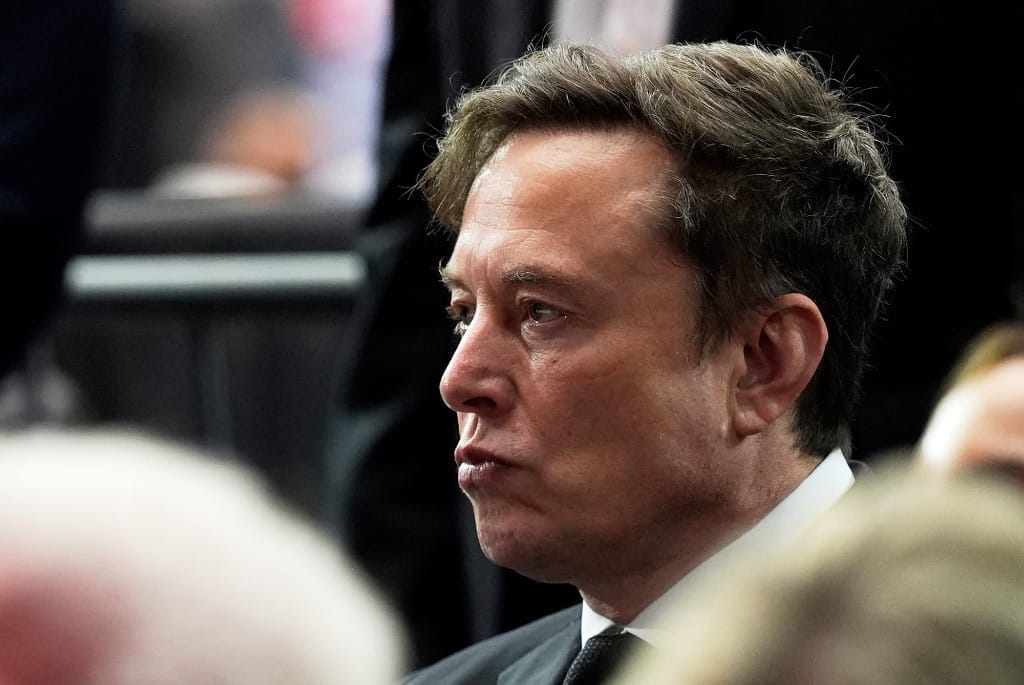
WASHINGTON, Oct. 7, 2025 – ProPublica reported on Thursday that Chinese investors had taken a direct stake in Elon Musk’s SpaceX, something not previously known.
New Street Research’s Blair Levin said the revelation is unlikely to affect the satellite company’s major pending spectrum acquisition from EchoStar.
“While the level of Chinese investment in SpaceX is not provided in the new revelations, it is unlikely to be at a level that is banned by the law,” Levin wrote in a Tuesday research note. “Moreover, given the non-common carrier status, it is likely that the thresholds do not control in this situation.”
SpaceX reached a deal with EchoStar to buy the company’s 2 GigaHertz (GHz)/AWS-4 licenses, plus its PCS H-block holdings for $17 billion, and agreed to cover another $2 billion in EchoStar’s interest payments as part of the deal. SpaceX has asked the Federal Communications Commission for permission to launch a new 15,000-satellite constellation to support direct-to-device mobile service on the new spectrum.
The FCC will have to approve the spectrum sale first, though. Levin, a former FCC chief of staff, noted that licenses for non-common carrier uses, like the ones SpaceX is buying, don't have limited foreign ownership thresholds. Companies do have to disclose entities with more than a 10 percent stake.
In a document submitted with the transaction application, SpaceX told the FCC that no one owned 10 percent or more of the company other than Musk.
“The sole shareholder who is the beneficial owner of a 10% or greater interest is Elon Musk, as trustee of a private trust,” the company wrote. “Mr. Musk’s trust currently owns 41.7% of the outstanding stock of SpaceX and has voting control of 79.8% of the outstanding stock of SpaceX.”
Even if it turned out there were some Chinese ownership SpaceX should have disclosed, Levin wrote the FCC wasn’t likely to end the deal. He said the interagency foreign ownership review committee was also unlikely to hold things up, given Musk’s positive relationship with the Trump administration.
“If there is a challenge to SpaceX’s acquisition of the 2GHz band, we believe that at most, this FCC will simply require a divestiture of the Chinese interest,” he wrote.
FCC Chairman Brendan Carr has spoken positively of the deal, calling it a “potential game changer for the American consumer.” EchoStar said when announcing the deal, and another $23 billion spectrum sale to AT&T, that the transactions were efforts to end FCC probes into whether it was meeting its license obligations.
Carr had said he didn’t think EchoStar was putting its airwaves to good use, accusing it of warehousing valuable spectrum.
“I was pleased to see SpaceX’s announcement that it will purchase EchoStar’s AWS-4 spectrum for $19 billion to support a new Direct-to-cell satellite constellation and other innovative service offerings,” he said in a speech Monday. “Direct-to-cell is one of the most important emerging technologies, and this deal could help set up the United States to lead the world in this new technology.”
The agency recently approved a merger between Paramount and Skydance, and some commenters had raised Chinese firm Tencent’s ownership stake in Skydance during the FCC’s review.
Ultimately, the agency said it wasn’t concerned, as Tencent owned less than 5 percent of the company and didn’t have any board seats or other means of control.
“While we would no doubt have concerns if Tencent owned a controlling stake in the company at issue here or was otherwise able to direct or influence Paramount’s corporate policy or get access to confidential information,” the agency wrote in its order, “based on the record, we do not view Tencent’s ownership stake as raising sufficient national security concerns to alter our conclusions or require a hearing.”



Member discussion