Louisiana Breaks Ground on Largest BEAD-Funded Fiber Build
Louisiana has begun construction on a BEAD-funded fiber project

WASHINGTON,Oct. 8, 2026 — A new fiber project in Louisiana is making history while bringing faster internet to thousands of residents, giving communities in East Baton Rouge Parish a new broadband option.
Louisiana has broken ground on what state officials describe as the country’s largest Broadband Equity, Access, and Deployment Program (BEAD)-funded broadband project, marking a major step from federal broadband funding to network construction.

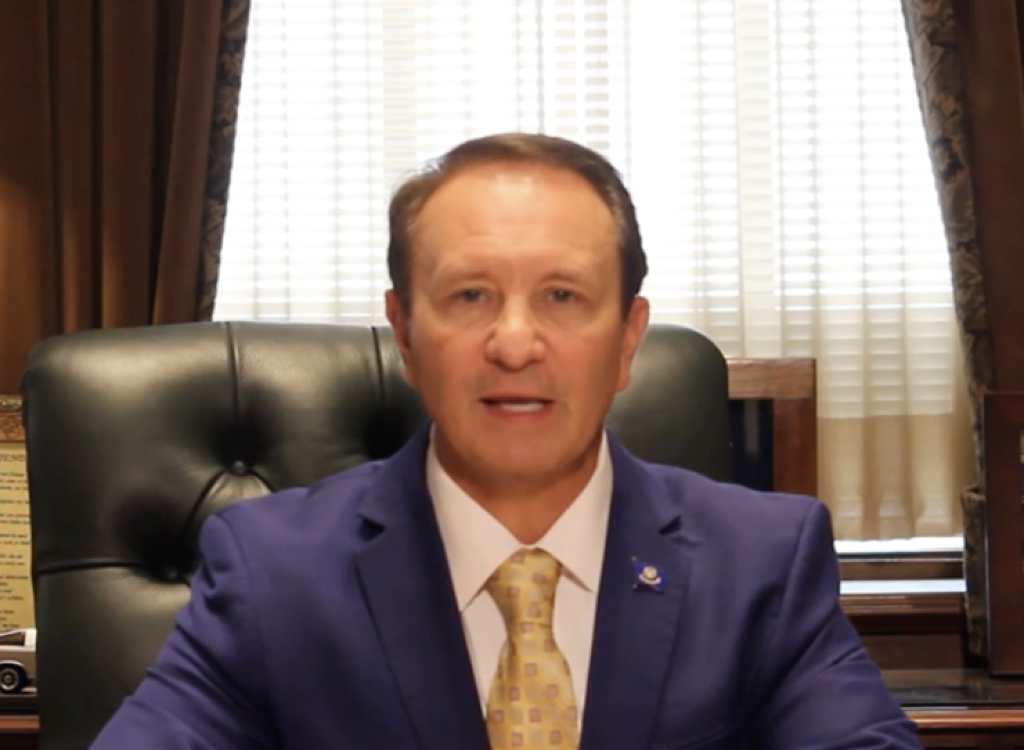
Gov. Jeff Landry, R, ConnectLA officials and REV Fiber joined local officials Wednesday to launch the project, which will bring fiber service to 2,840 locations in East Baton Rouge Parish. About 2,500 of those locations are being supported by federal BEAD funding, with the remainder covered by REV Fiber.
Construction is expected to begin in November and take about seven to eight months, according to local reporting. The project is part of Louisiana’s broader GUMBO 2.0 broadband initiative, which incorporates the state’s $1.36 billion BEAD allocation into its effort to expand high-speed internet access.
Louisiana is not the only state moving into the construction phase of BEAD. Pennsylvania announced last week that it is awarding over $711 million in BEAD funding for broadband projects across the state, including projects involving fiber and other technologies. The Pennsylvania awards also come after the state completed its BEAD application and review process, putting federal broadband dollars into projects intended to reach unserved and underserved locations.
The Louisiana project will serve homes and other locations in Central and surrounding areas of East Baton Rouge Parish. REV Fiber will build the network, with state officials highlighting its potential benefits for households, businesses, schools and emergency services.
Louisiana officials have said they are targeting statewide broadband connectivity by 2028. The state was among the first to move its BEAD process into provider selections and construction.
The construction announcements come as states across the country move beyond the planning and approval stages of BEAD. The federal program was designed to provide states with funding to deploy broadband infrastructure, with fiber projects expected to account for a substantial portion of the resulting construction.
For Louisiana, the East Baton Rouge project provides a visible example of that transition, putting BEAD funding into an actual fiber build rather than another round of planning or grant administration.