After the $30 Federal Broadband Discount Sunsetted, What Can Communities Do About Prices?
Permits, rights of way and cable franchises give towns leverage to demand affordable service as federal help stalls

NEW ORLEANS, Nov. 18, 2026 – The Affordable Connectivity Program, which took up to $30 a month off a low-income household’s broadband bill, ended in June 2024 when its funding ran out. More than 23 million households had enrolled.
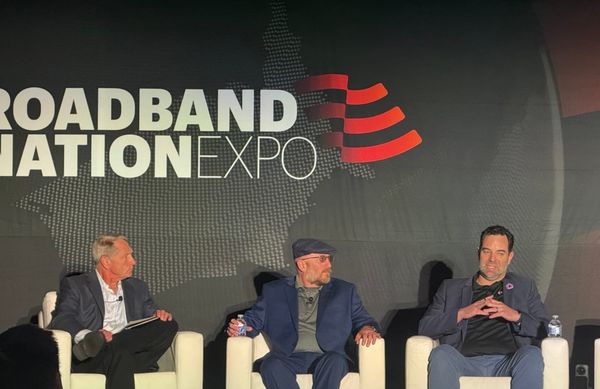
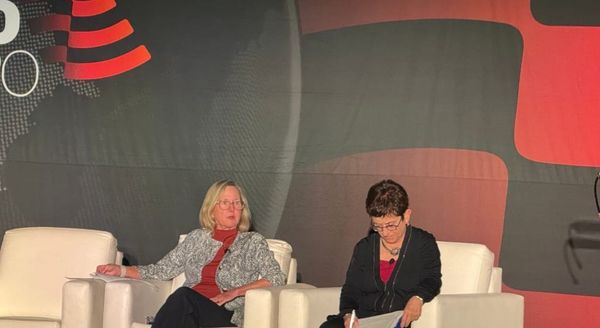
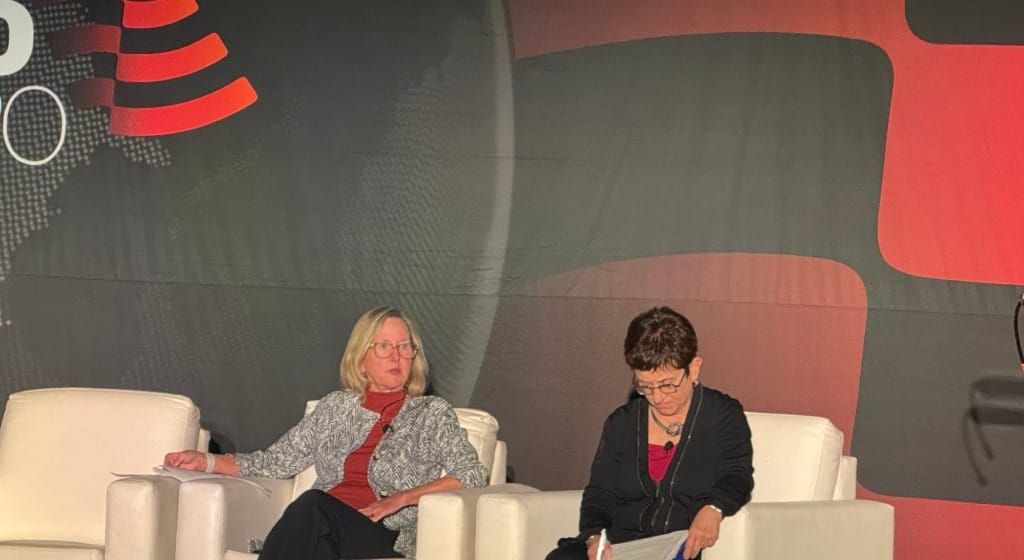
Two former Federal Communications Commission officials said Wednesday at Broadband Nation Expo here that communities can still negotiate lower prices when providers seek permission to lay fiber along public streets, or set prices themselves on networks they own and operate.
No nationwide program has replaced the $30 discount. The FCC’s Universal Service Fund still helps low-income households pay for broadband through a separate program called Lifeline.
Eligible households can receive up to $9.25 a month through Lifeline, or up to $34.25 on qualifying Tribal lands. Carol Mattey, who oversaw the fund at the FCC, called the commission’s current support for low-income households a “drop in the bucket.”
New Mexico will soon offer a discount of its own. Starting Dec. 1, eligible households can apply for up to $30 a month off broadband service, or up to $70 on qualifying Tribal lands.
Executive director of the American Association for Public Broadband Gigi Sohn, cited New Mexico as an example of what states can fund themselves. State lawmakers authorized $10 million from New Mexico’s rural universal service fund. The state estimates the program could reach 27,000 households in its first year.
How federal broadband grants affect the monthly bill
A separate part of the FCC’s Universal Service Fund pays carriers to serve places where broadband networks are expensive to build and operate. The FCC surveys urban broadband prices each year to set a benchmark for what those carriers can charge for comparable service in subsidized areas.
The benchmark can keep rural prices close to urban prices and still leave service out of reach for a low-income family, Mattey said.
The 2021 infrastructure law created the Broadband Equity, Access and Deployment program, or BEAD, and required providers that take its construction grants to offer a low-cost plan. Each provider now proposes its own monthly price.
Even when a household can afford the plan, family members may need a computer and training to use it, Sohn said. One potential source of funding is the BEAD money left after states award construction grants.
Nondeployment funds for community benefit agreements
Both Sohn and Mattey doubted the National Telecommunications and Information Administration, the federal agency that oversees BEAD, would give states much latitude over how to spend the balance.
Sohn expected the agency to favor artificial intelligence projects and workforce training. She said other uses identified in the law, including buying devices and connecting community institutions such as libraries, were likely to receive less support.
What a town can negotiate before a provider lays fiber
A provider that aspires to lay fiber beneath a public street needs access to the right of way, the strip of land reserved for the road and utilities. Sohn urged local officials to negotiate the price residents will pay while the provider is seeking access.
A town has another opportunity to negotiate when a cable company seeks to renew its franchise, the agreement that allows it to operate locally, she said.
One way to put the terms in writing is a community benefit agreement, a contract spelling out what a developer agrees to provide for nearby residents. A broadband provider could agree to connect specific affordable housing developments and charge residents an agreed monthly price, Sohn said.
What residents can seek from a data center developer
Residents can seek a similar agreement when a data center developer applies for local zoning approval. A community could demand the developer to wire affordable housing, libraries and community centers, hire local union members or teach entrepreneurship classes in high schools and colleges. Residents could also seek reimbursement for any increase in household electricity rates attributable to the facility, Sohn said.
A board of residents and municipal officials can meet monthly to check whether the company has kept its promises. If a broadband provider charges more than the agreed price or skips a building listed in the contract, a party that signed the agreement can ask a court to enforce it, Sohn said.
The co-op model
A town can skip the negotiation and sell broadband service itself. Sohn said that model shows up most often where a municipal electric utility already exists, since the utility owns the poles, the crews and the billing system.
In Chattanooga, Tenn., the city-owned electric utility, EPB, sells broadband directly to residents. Wilson, N.C., does the same through its municipal fiber network, Greenlight.
Ownership and billing can also sit with different organizations. Mattey described electric cooperatives, utilities owned by the customers they serve, that wanted fiber for their members but didn’t want to run a broadband business. In this arrangement, the co-ops would build the networks while a provider affiliated with a neighboring co-op signs up the subscribers and sends the monthly bills.