Moneyless ACP Could Mean Small Providers Not Building Out in Remote Areas: Treasury Official
The Affordable Connectivity Program running out of money could potentially put smaller providers in a difficult spot.

WASHINGTON, March 7, 2023 – The director of the Treasury Department’s Capital Projects Fund said an Affordable Connectivity Program that runs out of money means smaller internet service providers lose a revenue source that could put toward building out networks in rural and remote communities.
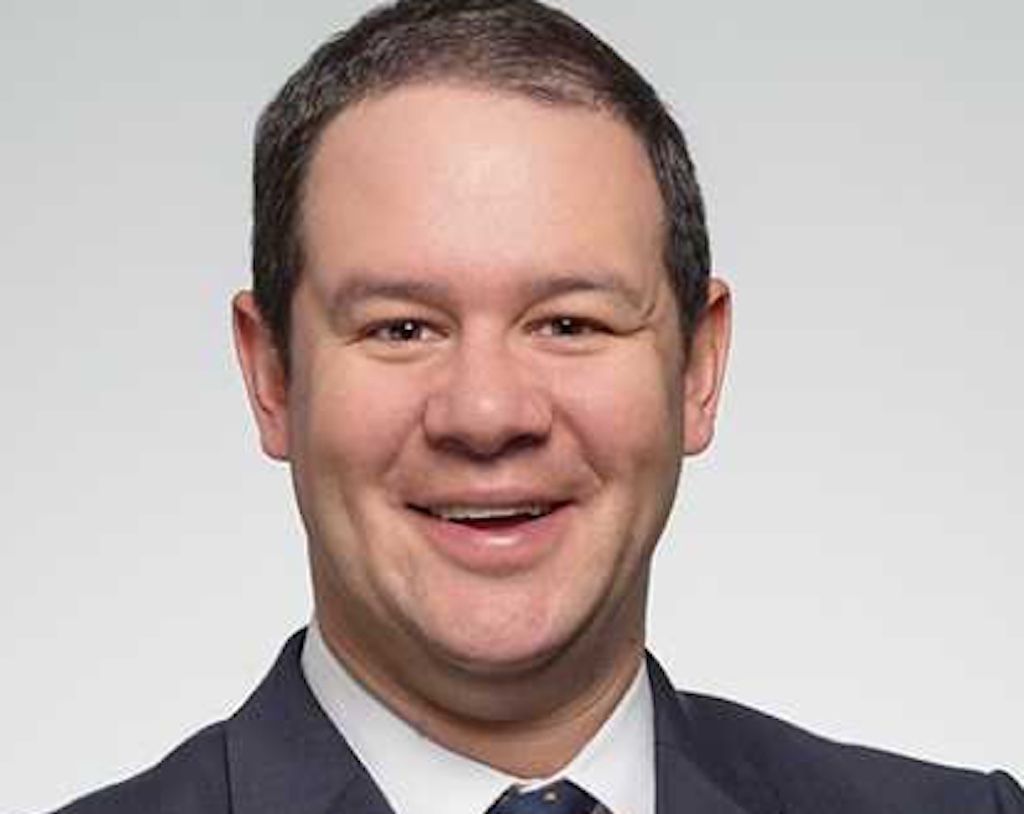
Joseph Wender, director of the broadband infrastructure fund, said at an America’s Communications Association Connects event last week that the $14.2 billion fund provides subscribers to ISPs with an opportunity to subscribe with a $30 per month discount and $75 per month discount on tribal lands.
That extra revenue, which may otherwise not be obtained without the discounts provided by the ACP, could be used to build networks in areas that are financially difficult to do so, Wender said.
“Obviously the first concern is that low-income families will lose their connections,” said Wender. “The subsequent results is that it will dry up a revenue stream that you are counting on as you’re going to these areas that you previously thought were not profitable.”
While there have been calls for Congress to extend the ACP, the Federal Communications Commission, which administers the program, has had a bit of an issue getting the money out. That’s because many millions of eligible Americans are not subscribing. The result of that is the commission has launched four outreach programs to help get the word out.
Last week, vice president Kamala Harris announced that more than 16 million households are now saving $500 million per month on broadband from the program.
Among the 10 companies blacklisted by China are AVEOX in Simi Valley, California; Red Cat Holdings and Teal Drones, both in South Salt Lake, Utah; and IMSAR in Springville, Utah.
Society has no choice but to change in the advent of AI, although Huang has been optimistic about the technology’s potential.
The Federal Energy Regulatory Commission has ordered regional grid operators to help large energy users connect more quickly to the grid.
French President Macron criticized the U.S. for restricting foreign access to advanced AI models, a sentiment echoed by OpenAI CEO Sam Altman