O’Rielly Proclaims 'False Narrative' Around Broadband Affordability Concerns
The former FCC commissioner noted that as consumer prices broadly rose 36% over the past 10 years, broadband pricing has declined.

Eric Urbach
WASHINGTON, Feb. 23, 2026 – Has “Silly Season” been declared on broadband affordability? Former Republican Federal Communications Commissioner Michael O’Rielly seems to think so.
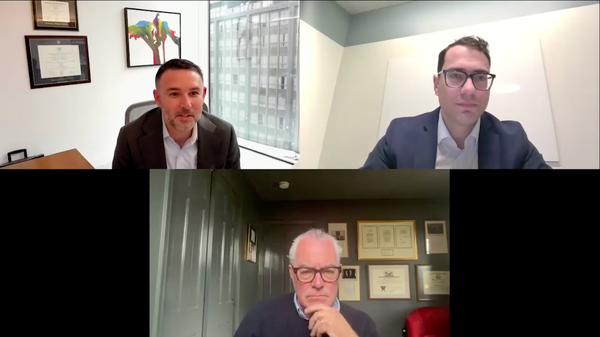
In his appearance on the Cablefax YouTube show, O’Rielly said Feb. 20 that the communications industry should be viewed as an affordability success story, noting that consumers are getting more bang for their buck as technology has improved and offerings have expanded.
“In broadband, we’ve seen the speeds go up ninefold in the last decade. The same thing in wireless. Speeds are up. Capacity is up. So, you’re getting more for your dollar even as prices are dropping,” O’Rielly said.

As affordability becomes a central issue defining midterm election season, O’Rielly did his best to push back against that narrative, noting that the USTelecom’s broadband pricing index report has shown that real broadband prices fell by 8.7% in 2025, and 43% over the past 10 years.
The conversation was a follow up to a column O’Rielly wrote for Cablefax in which he argues that the subject of affordability for communication technology is a “false narrative” perpetuated by those who wish to gain political power.
The FCC has also taken a swing to affordability programs, including recent rule changes to the FCC’s LifeLine program. The Affordable Connectivity Program ran out of congressionally authorized money last June.
At their open meeting on Feb. 18, the FCC voted to tighten eligibility requirements to the LifeLine program, a FCC program that helps make communications services more affordable for low-income consumers in an effort to reduce perceived fraud.
FCC Chairman Brenden Carr has specifically targeted California, revoking its ability to use its own verification system to determine eligibility last November. Carr cited an inspector general report that found distributions to deceased subscribers in California, Texas and Oregon.
O’Rielly noted that the LifeLine program has had its share of issues across administrations. While he agreed with the work Carr is doing, he believed LifeLine needs a top-to-bottom reform, noting difficulty in following its complex rules. He said he was more supportive of the ACP program.
“I do think affordability needs to be addressed, but I don't think LifeLine is the model I want to copy because of the problems that it’s had,” O’Rielly said “I hope they can improve it, but I'm doubtful”.

Member discussion