
Permitting Delays Remain Top Broadband Deployment Obstacle: Industry Leaders
From railroad crossings to pole attachments, permitting emerged as the primary obstacle slowing fiber broadband deployments.

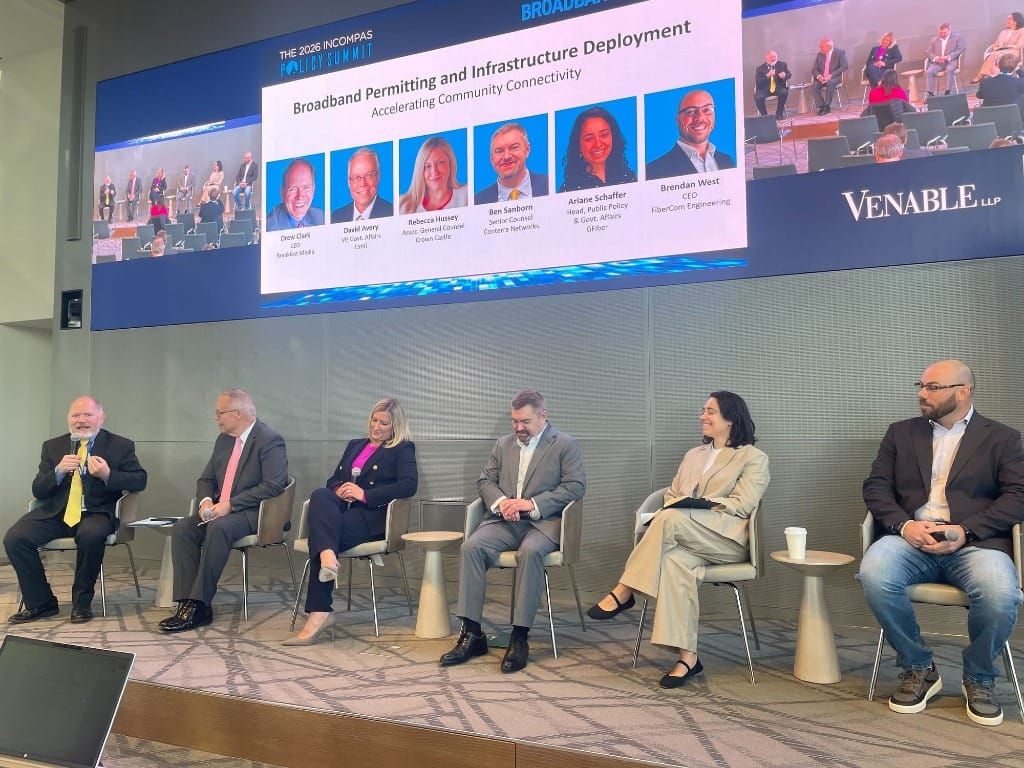
WASHINGTON, Feb. 5, 2026 — Permitting delays represent the biggest barrier to expanding fiber broadband access across the United States, with railroad crossings and pole attachment issues creating months-long bottlenecks that threaten to derail deployment timelines, industry executives said during a livestream of Broadband Breakfast Live Online at the INCOMPAS Policy Summit on Wednesday.
Highlights Reel:
"Permitting is a significant challenge still today to get broadband to all unserved and underserved locations," said David Avery of Uniti, which provides fiber service to approximately 2 million locations in 18 states. "It's the biggest hurdle that we face in trying to deploy fiber broadband."
The panel discussion highlighted how antiquated railroad regulations dating to the 1800s and inconsistent municipal requirements create costly delays for companies racing to meet federal Broadband Equity, Access and Deployment program deadlines.
 Ariane Schaffer
FREE Full Event Video for all:
"Our current average is 12 to 15 months before we get a response," said Ben Sanborn, senior counsel at Conterra Networks, about railroad permits. "The permit costs can be in the tens of thousands of dollars."
Avery said Uniti recently received two railroad permit costs of $70,000 and $110,000, though the company is seeing some progress after personal visits with railroad officials.
Rebecca Hussey, associate general counsel for Crown Castle, which operates 40,000 towers, 125,000 small cells and 80,000 route-miles of fiber, called for “deemed granted” provisions in permitting reform. "One thing that is really critical is the deemed granted or deemed approved," she said. "A municipality doesn't always just issue that permit even though it's deemed approved."
Pole attachment make-ready requirements create additional delays. Brendan West, CEO of FiberCom Engineering, explained the process requires existing attachers to move their equipment before new fiber can be installed. "They get 90 days to review it and then 90 days to go out and move it," West said. "Right there, if you look at that timeframe, it's just slowing everything down."
Panelists praised North Carolina's statute establishing a 30-day municipal permitting shot clock with deemed-approved provisions. "We have a five-year track record to show that it works," said Avery.
Ariane Schaffer, head of public policy and government affairs for Google’s GFiber, highlighted municipal innovations, including Des Moines' self-service portal and Albuquerque's planning and logistics network, which significantly reduced permit review times. "Within a year they have seen so much success because they know who to hold accountable," Schaffer said.
The railroad crossing issue has equity implications, Schaffer noted. "If we don't solve these problems, the communities that have been faced with these issues for generations will continue to face the same issues for future generations," she said.
Panelists called for federal legislation, specifically the RAIL Act introduced by Rep. Bill Johnson, R-Ohio, to provide FCC oversight of railroad permitting costs and timelines.
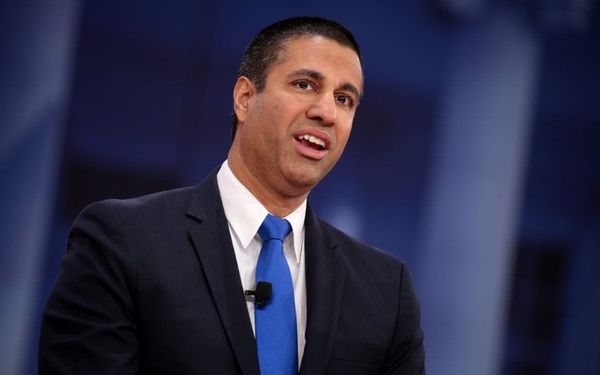
The Federal Communications Commission has initiated four proceedings addressing permitting streamlining, on issues ranging from environmental to wireline to wireless facilities. "We have achieved so many improvements," Hussey said. "This is kind of the next wave."
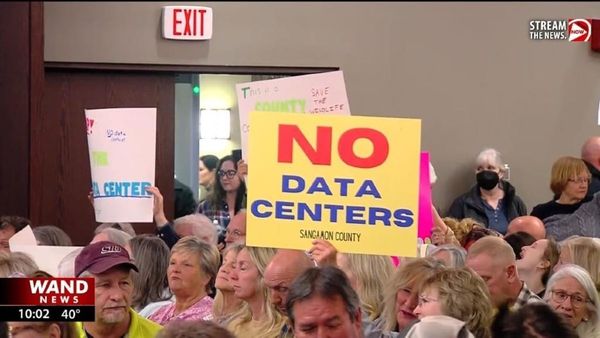
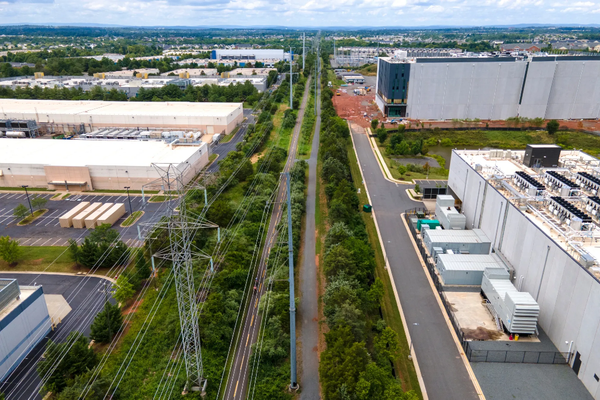
Avery emphasized the urgency, noting data centers require fiber connections. "For these data centers that are being built, if you don't have fiber to them, it's just a refrigerator," he said.






Member discussion