Shentel Adds Record 6,200 Fiber Subs
Rural competition from Starlink has let up for now, the company said

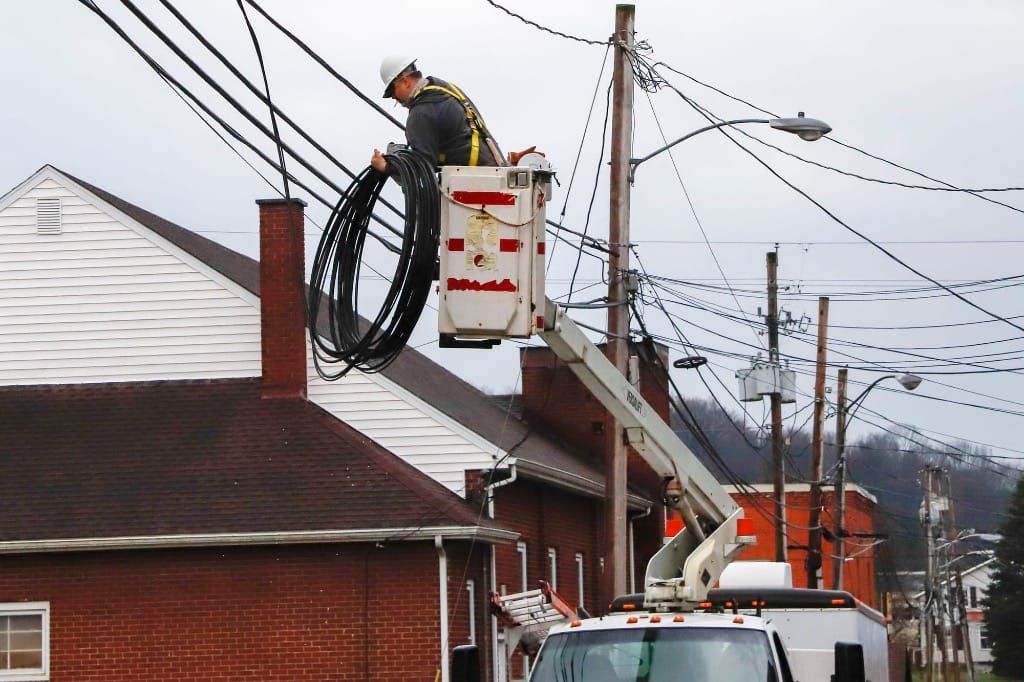
WASHINGTON, July 29, 2026 – Shenandoah Telecommunications notched 6,200 new fiber subscribers in the second quarter of 2026, a record for the ISP.
That brings Shentel’s total fiber subs to just over 100,000, an increase of more than 30 percent from the same time last year.

“This growth reflects the success in our fiber-first strategy we put in place years ago,” Shentel CEO Ed McKay said on the company’s earnings call.
In total, the Mid-Atlantic broadband provider counts nearly 211,000 internet subscribers between its fiber and incumbent cable footprints. Cable subscribers fell by 747 in the quarter.
Cable giants Charter and Comcast have been offering subscribers bundled deals with mobile service in a bid to stem broadband losses to fiber and fixed wireless competitors. Shentel, with a much smaller footprint, has focused on bringing in new subscribers from greenfield fiber builds the company began in 2019.
It appears to be working. For the first time, that fiber business accounted for 51 percent of the company’s revenue in the second quarter.
The company brought in $93.5 million, up more than 5 percent year-over-year. Shentel lost $7.7 million in the quarter, less than the same time last year.
Last quarter Shentel saw some elevated churn due to heavy promotional activity from SpaceX, but that’s now subsided.
McKay said the company saw “virtually no” fiber subscribers switch to satellite during the quarter, and “just a minimal impact” in its cable markets.
“They were giving away free equipment, that’s now going to a lease,” McKay said. “They also had some low introductory rates. They backed off those as well.”
That, combined with new lower rates in rural areas, helped reduce Shentel’s losses to satellite, he said. Still, churn for both fiber and cable subscribers was slightly higher year-over-year.
McKay said much of that was from households moving most often in the second quarter. He said competition from other ISPs, which cover 35 percent of the incumbent footprint, and lower demand amid inflation also contributed.
Broadband average revenue per user (ARPU) was down both sequentially and year-over-year to $78.90. Both cable and fiber ARPU fell, with cable at $80.93 and fiber at $76.57.
Shentel stock was up more than 4 percent Wednesday afternoon.
Commercial fiber
McKay said Shentel had signed an agreement with one hyperscaler to potentially provide data center connectivity, but the tech company hadn’t yet purchased service.
Shentel’s network is near data center hubs in Virginia and Ohio, and McKay said the company was still optimistic it would be able to monetize that.
“We have existing fiber and existing conduit in close proximity to some of these data centers,” he said. “We can provide service without having to make as significant a capital investment as other providers may.”
Capex, network build
Total capex in the quarter was $61.3 million. Shentel is aiming for 510,000 fiber passings, and surpassed 475,000 in the second quarter.
Once that build is done later this year, the company expects to start generating cash, CFO Jim Volk said.
Shentel has about $660 million in debt coming due in 2030.