Stakeholders Protest Rural Utilities Service Budget Cuts
Loans are 'a win-win situation for rural consumers and American taxpayers' because they are paid back with interest, the groups said.

WASHINGTON, June 5, 2025 – Sixteen organizations representing agriculture, education, health care, and rural infrastructure called on Congress this week to maintain funding for telecommunications programs run by the Rural Utilities Service.
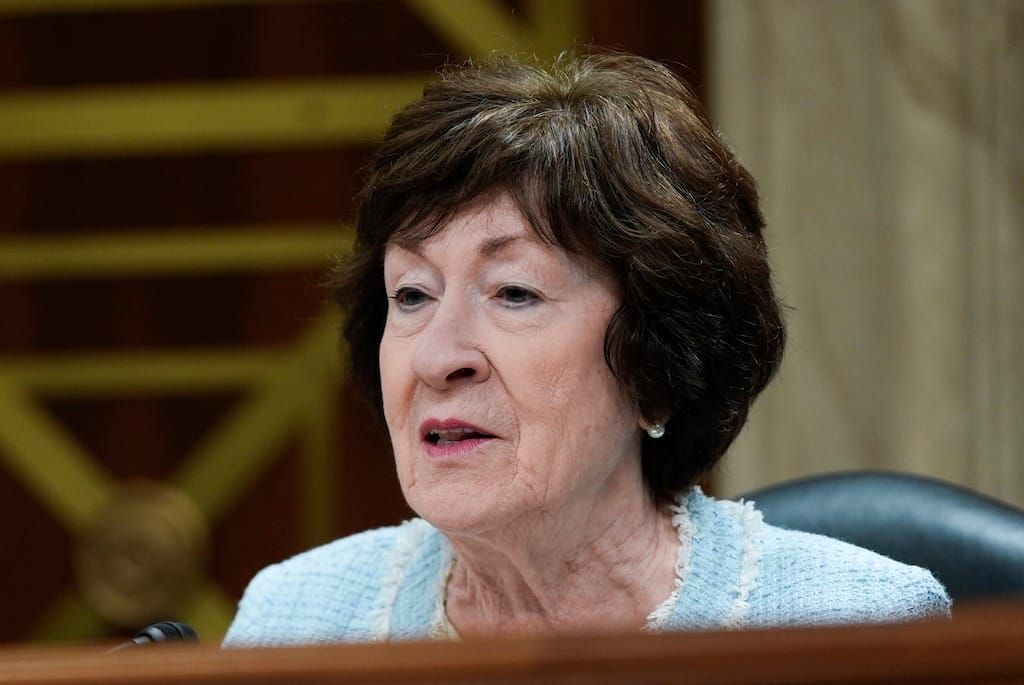
In a joint letter sent Monday to top appropriators — including Sens. Susan Collins, R-Maine, and Patty Murray, D-Wash., and Reps. Tom Cole, R-La., and Rosa DeLauro, D-Conn. — the groups said the RUS broadband loan and grant programs were essential to rural America’s vitality, and also fiscally sound.
“These popular and effective telecom programs, which have historically received robust bipartisan support…[help finance and] enable the efficient delivery of broadband and voice services across rural America,” the letter sent to House and Senate Appropriations Committees reads.
RUS, a division of the United States Department of Agriculture, was one of the many federal programs set to receive massive funding decreases under the proposed 2026 federal budget.
In the last 15 years, USDA has invested $13 billion in telecommunications projects, through a mix of loans, grants, and loan-grant combinations.
One of its core initiatives, the Telecommunications Infrastructure Loan Program, provides low-interest loans to rural broadband providers. Since 2010, borrowers have repaid approximately $2.5 billion in principal to the U.S. Treasury.
The signatories, including NTCA – the Rural Broadband Association, the National Rural Education Association, and the National Milk Producers Federation, said that these programs create “a win-win situation for rural consumers and American taxpayers,” because the loans must be paid back with interest.
“Congress’s continued support for funding RUS telecommunications and broadband programs remains vital,” the stakeholders wrote. “A strong public-private partnership is essential to America’s quest to secure and maintain global broadband preeminence.”
The cable giant improved its year-over-year subscriber losses for the first time since the fourth quarter of 2020.
The transaction is expected to yield 11,000 new fiber locations in New Hampshire.
The change follows Cable One’s buyout of the company in January 2026.
NFL's top lawyer, Ted Ullyot, armed with a 17-page slide deck for senior FCC staff, predicted fan viewing chaos if Commissioner Roger Goodell can't negotiated TV rights deals for all 32 teams
Member discussion