States Hoping for Flexibility in Upcoming BEAD Rules

Commerce Secretary Howard Lutnick told senators Wednesday the new rules would be coming "shortly."

States Hoping for Flexibility in Upcoming BEAD Rules
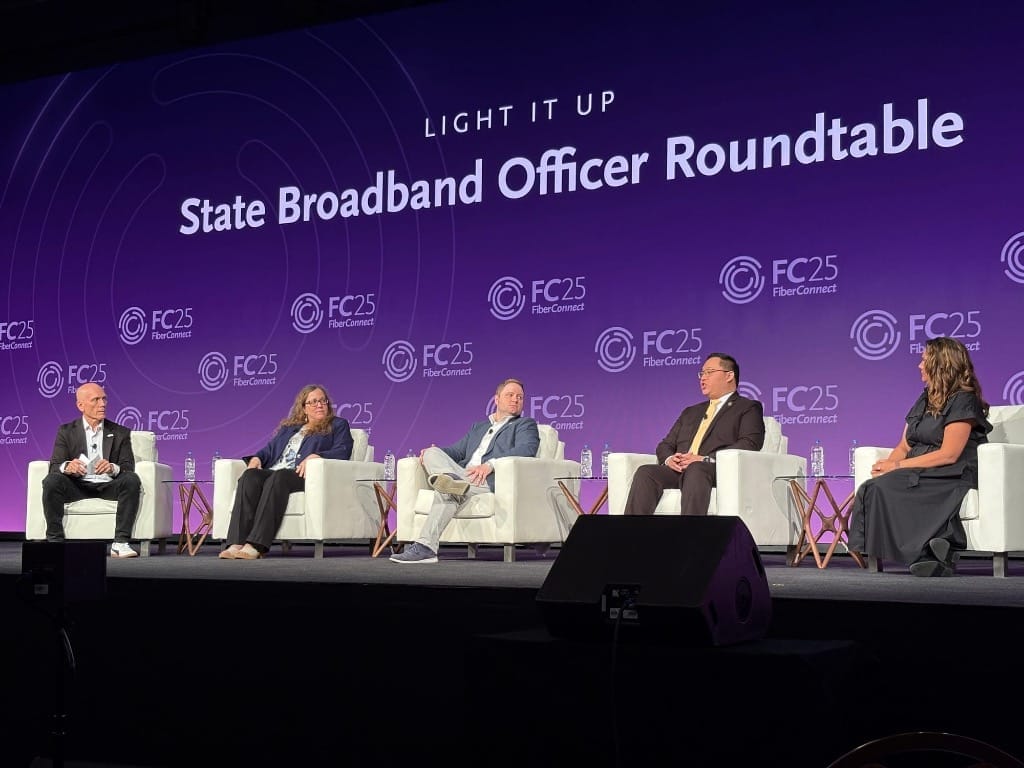
From left: Marcus Moffett, vice president of Solutions Engineering for Cisco Americas; Angie Bailey, director of the NCDIT Broadband Infrastructure Office; Glen Howie, Arkansas state broadband director; Joseph Le, deputy director of broadband development at Kansas Department of Commerce; and Bree Maki, executive director of Minnesota Office of Broadband Development

NASHVILLE, June 4, 2025 – Commerce Secretary Howard Lutnick testified to the Senate Wednesday that he would “shortly” release a new notice of funding opportunity for the $42.45 billion Broadband Equity, Access, and Deployment program. The exact details of the new rules still aren’t clear, but state broadband officers said Wednesday they were hoping for some flexibility from the new rules.

“Things that limit our flexibility, or sort of a one-size-fits-all solution for the whole country, would be very difficult to manage,” said Glen Howie, head of the Arkansas broadband office. He said the state was looking for “as much flexibility as possible.”

Lutnick told Senators that “as long as you are technologically agnostic, and agree to provide broadband at the cheapest price per user” – goals he has previously said he has for the program – the agency would approve states’ BEAD plans by the end of the year. He said states would have 90 days to submit those plans after the new Notice of Funding Opportunity (NOFO) was released. It’s still not clear how much work the new rules will require states to do, or if the more than 40 that have started or finished their bidding processes will have to restart.

The Trump administration has opposed BEAD’s preference for fiber broadband, even as Elon Musk, the major GOP donor who owns satellite ISP Starlink, has claimed to be stepping back from advising Trump and been publicly feuding with Republicans over their spending bill. States are in part worried Commerce will hand down a per-location spending limit that would force them to spend less on fiber and more on fixed wireless or satellite.

Lutnick didn’t comment when Broadband Breakfast asked whether he would institute a nationwide cap.

“One of the things that could certainly negatively impact states is very hard restrictions that are blanketed across the entire country,” said Joseph Le, head of Kansas’s broadband office. “One of the things that I think is very well understood is that whatever may work for one state is not necessarily going to work for the state of Kansas.”

The broadband heads spoke at the Fiber Connect conference in Nashville just before Lutnick’s Senate hearing.

Bree Maki, Minnesota’s broadband director, also said she wanted state autonomy preserved. She said it was difficult to plan at this point because “we just don’t know” what the new rules will be.

“My biggest concern is spooking off the voluntary grantees that apply for these programs and participate in them,” she said. “It’s really important to remember our relationships with our internet service providers and make sure that we are open, honest, and communicate with all of them as we move forward.”

Howie said his staff had done some prep work already based on possible scenarios they had heard about and had “sets of paths” they could go down if one of those ends up happening.

Even before Lutnick’s testimony, there was some speculation at the conference that the new BEAD rules could be released as soon as the end of this week. States had expected them last month, but then said they were told the date would be sometime in June or July.

“Frankly, I’m done with the rumors,” Howie said. ‘When something comes down, it comes down.”

Blair Levin, policy advisor at New Street Research and former FCC chief of staff, said in a research note Wednesday that he didn’t think it was a “done deal” that Commerce would institute a nationwide high-cost threshold and force states to rebid, but that “Lutnick’s testimony suggests that is the most likely outcome.”

Member discussion

Popular Tags