universal service
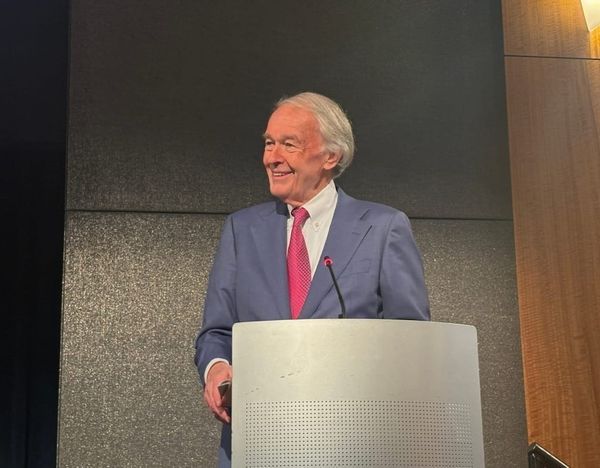
Markey Criticizes FCC Rollbacks, Republican Opposition to Affordability Programs
Markey announced his children’s online privacy act passed the Senate.

The Affordable Connectivity Program was a $14.2 billion program that provided subsidized broadband connections of $30/month, and $75/month for Tribal households. However, the program ended in June 2024 after Congress stopped its funding.

universal service
Markey announced his children’s online privacy act passed the Senate.

Michelle Lujan Grisham
SB 152 would create a state-run, low-income broadband assistance program funded through the state’s rural universal service fund.
BEAD
Providers cited payment instability and post-construction costs, while officials urged an Affordability Connectivity Program replacement.

New Mexico
The bill would replace the expired federal ACP with a state version for low-income households.
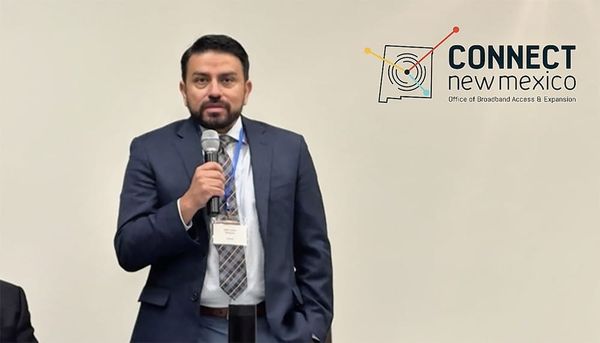
NTIA
State proposes launching broadband subsidy program by 2027
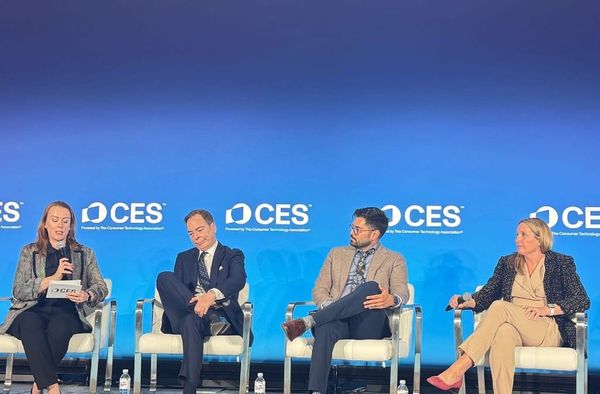
CTA
The shift followed a December executive order aligning broadband execution with federal artificial intelligence policy.
JD Vance
In spite of the political salience of 'affordability,' federal rollbacks, industry pressure, and stalled state efforts took a toll on low-income Americans' broadband.
12 Days of Broadband
A follow-on legal case about the USF resumed on Wednesday, Dec. 3, in the Fifth Circuit.

Digital Inclusion
The groups' Connectivity Policy Corps will have a first cohort of 18 advocates from 14 states.

Infrastructure
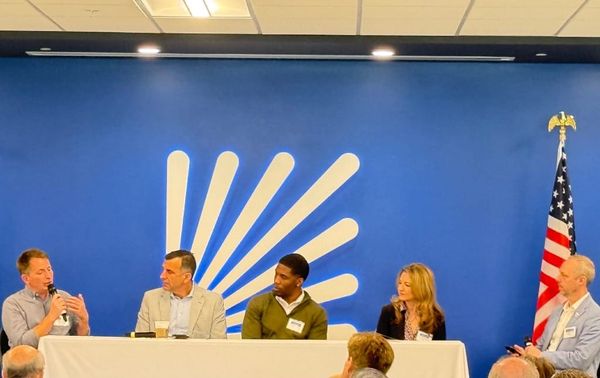
Leaders from the Vernonburg Group, Ookla, NextNav and Broadband Breakfast discussed linkages between spectrum, AI, BEAD and affordability.

Broadband's Impact
In the House, Spanberger acted to direct the federal government to ensure that broadband networks were built to meet modern upload and download standards.
Oregon
New York’s internet policy illustrates state-driven affordability reform.

Affordability
Calls mount for a modernized Universal Service Fund to address broadband affordability
Broadband Mapping and Data
Proposal would remove six consumer disclosure requirements

Digital Inclusion
Disrupted federal support has stalled state efforts in digital literacy, workforce, and affordability programs.

ACP
Boomerang Wireless and Assist Wireless are expected to repay the U.S. Treasury