Oklahoma Broadband Office
Texas Asks Feds for More Time to Meet BEAD Deadline
The state hopes to push its BEAD deadline back by more than two months to November 21.

The Broadband Equity, Access and Deployment program is a $42.45 billion initiative administered by the National Telecommunications and Information Administration of the U.S. Commerce Department. Established by the Infrastructure Investment and Jobs Act of 2021, BEAD aims to expand high-speed Internet access by funding planning, infrastructure deployment and adoption programs.
Oklahoma Broadband Office
The state hopes to push its BEAD deadline back by more than two months to November 21.

Howard Lutnick
The 2021 infrastructure law defines priority projects as those able to easily scale speeds over time.

Briefs
Former senior policy advisor to Sen. Ben Ray Luján steps into state role at critical time

SpaceX
Officials say LEO providers could skirt performance benchmarks others must meet in half the time.

BEAD
BEAD’s recent policy notice narrowed qualifications for funding opportunities.

SpaceX
Residents in some parts of at least seven states hit with additional sign-up fees

BEAD
Trade association accuses some states of 'unreasonable and unnecessary obstacles'

West Virginia
Morrisey awards broadband funding to ISPs serving 10 counties

AI
State ban now faces political test

SpaceX
Andrew Butcher's five-day 'Driving Connections' tour will highlight broadband infrastructure investments by Maine.
BEAD
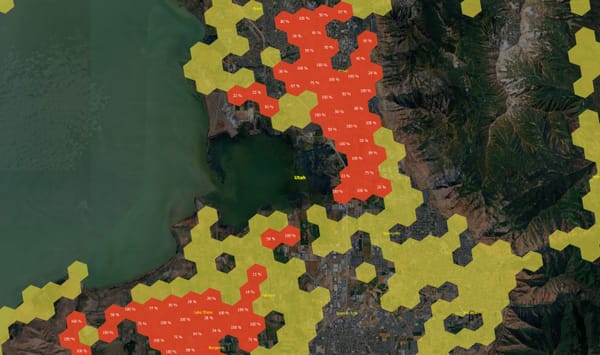
Broadband mapping expert found that in 11 states, more than 25 percent of likely BEAD-eligible locations could be taken off the map.
BEAD
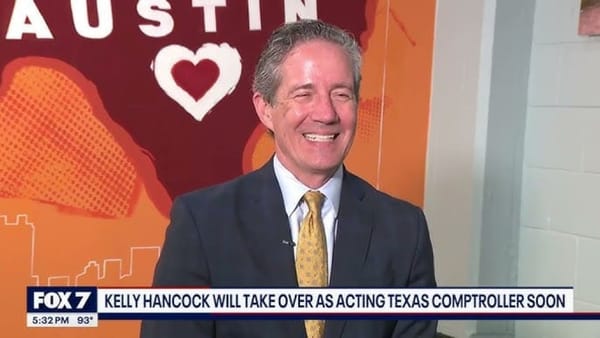
Kelly Hancock to replace Glenn Hegar, who clashed with NTIA and floated returning $1B in broadband funds

BEAD
State Broadband teams emphasized 90-day limit for the BEAD process.

AI
Top Republicans, including Sen. Blackburn and Rep. Marjorie Taylor Greene, oppose AI moratorium in reconciliation bill
BEAD
Georgia broadband office sets one-week window for providers to re-submit letters of intent.
BEAD
Virginia Tech researchers estimate the technology could make up to 1.1 million locations ineligible.