
TDS Upping Fiber Target After Spectrum Sale to AT&T
Array is still looking to sell its C-band holdings.


WASHINGTON, Feb. 20, 2026 – TDS Telecom is upping its long-term fiber passing goal to 2.1 million, thanks to an influx of cash from a $1 billion spectrum sale to AT&T.
TDS owns Array Digital Infrastructure, formerly UScellular, which sold its wireless operations to T-Mobile last year and is in the process of selling off the rest of its spectrum. Array is continuing to operate its 4,450 towers.
TDS’s initial plan was to hit 1.8 million fiber passings by 2030. The extra 300,000 locations are edge-out builds adjacent to where TDS is already building and where the company thinks it can be the first fiber provider.
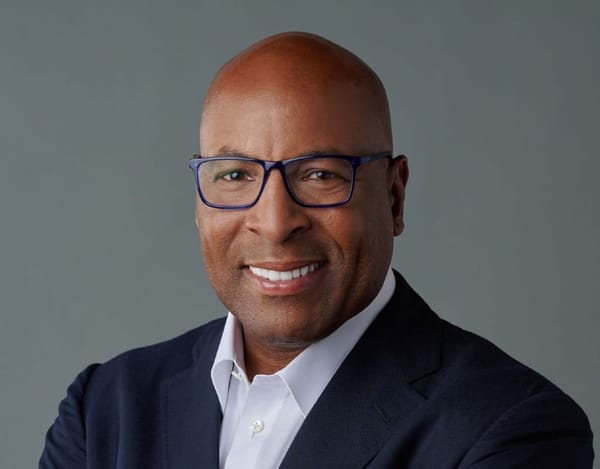
“We’re very bullish on the markets that we’ve chosen,” TDS CEO Ken Dixon said on the company’s earnings call Friday.
The company added 15,100 consumer fiber subscribers in the fourth quarter of 2025, an improvement on the nearly 14,000 one year prior, for a total of nearly 288,000. TDS counts 561,000 consumer broadband subscribers across its fiber, cable, and copper footprints. Accounting for cable and copper losses, that total increased by 4,500 in the quarter.
TDS built out to 58,000 new fiber locations in the fourth quarter, for 140,000 on the year. That was just short of the company’s 150,000 goal for 2025.
Builds accelerated in the second half of the year as subsidized builds under the Federal Communications Commission’s E-ACAM program got underway, said Kris Bothfeld, TDS’s VP of financial analysis and strategic planning. TDS is set to receive about $90 million per year for 15 years to push fiber to about 300,000 locations in the company’s copper footprint.
In 2026, TDS is looking to deploy to 200,000-250,000 new fiber locations, Dixon said.
Array Digital Infrastructure, DISH non-payment
Array, once the fifth largest wireless carrier in the country, is looking to sell the rest of its spectrum holdings as it transitions to purely operating its tower portfolio.
The company closed a $1 billion spectrum sale to AT&T last year, as well as spectrum sales to T-Mobile as part of the $4.3 billion acquisition that also closed last year. Still pending is another $1 billion sale to Verizon and another smaller deal with T-Mobile.
Array is still trying to sell its remaining holdings, the most valuable of which being its C-band licenses.
“We believe that spectrum is very attractive,” Array CEO Anthony Carlson said. “It’s beachfront mid-band spectrum. All the major carriers use it and it’s deployable immediately.”
He said the FCC’s upcoming upper C-band auction didn’t necessarily decrease demand for Array’s assets, as buyers in that auction might then want more spectrum in a nearby band.
Carlson also said Dish Wireless had not been making contractually obligated lease payments since early December. Dish’s position is that those payments are no longer obligated as the company has been telling infrastructure companies and other business partners that its parent company EchoStar’s major spectrum sales are grounds for Dish to exit various contracts, arguing the sales were forced by the FCC.
He said Array collected $7 million in total from Dish in 2025 – a relatively small portion of the nearly $155 million in rental revenue Array collected the same year – and that the company was supposed to pay a similar amount in rent each year through 2031.
“Array will take such actions it deems necessary to protect its rights” under the lease agreement, Carlson said. Other tower companies have sued Dish over the issue and many, including Array, are asking the FCC to force EchoStar to pay Dish’s bills when it approves the company’s spectrum sales.
Once T-Mobile selects the roughly 2,000 towers it will lease long-term as part of its purchases of Array’s wireless operations, the company is expecting that anywhere from 800 to 1,800 of its 4,450 towers will be tenantless. Carlson said Array will look to get tenants on those as quickly as possible, and will consider decommissioning some.




Member discussion